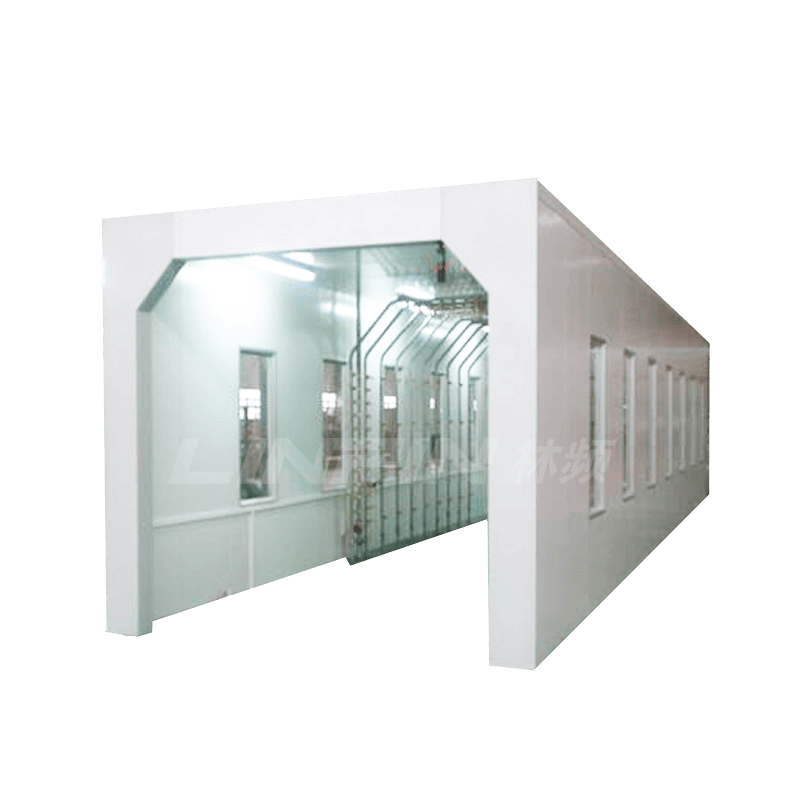
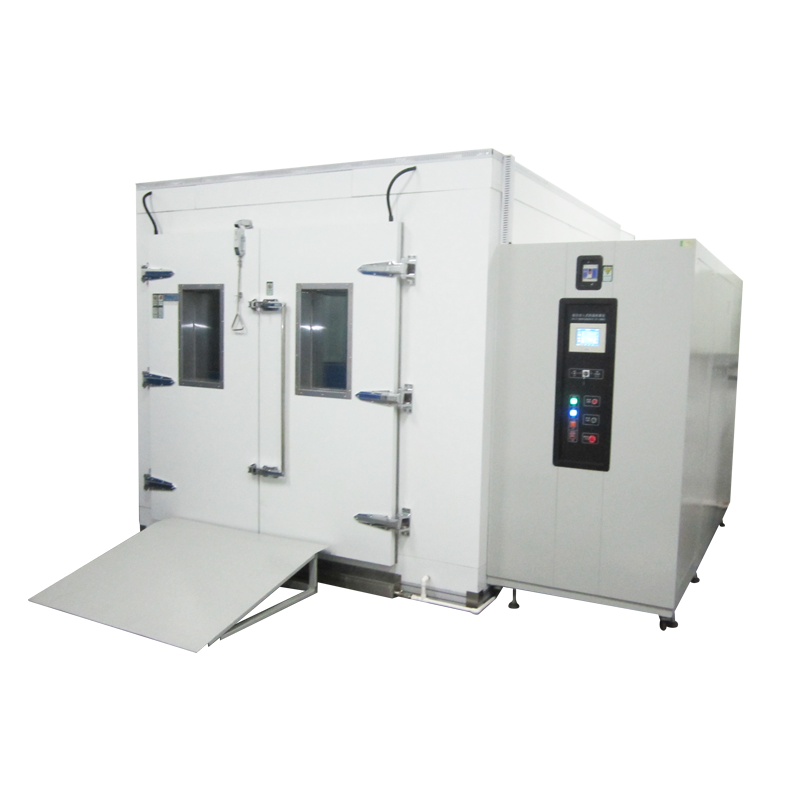
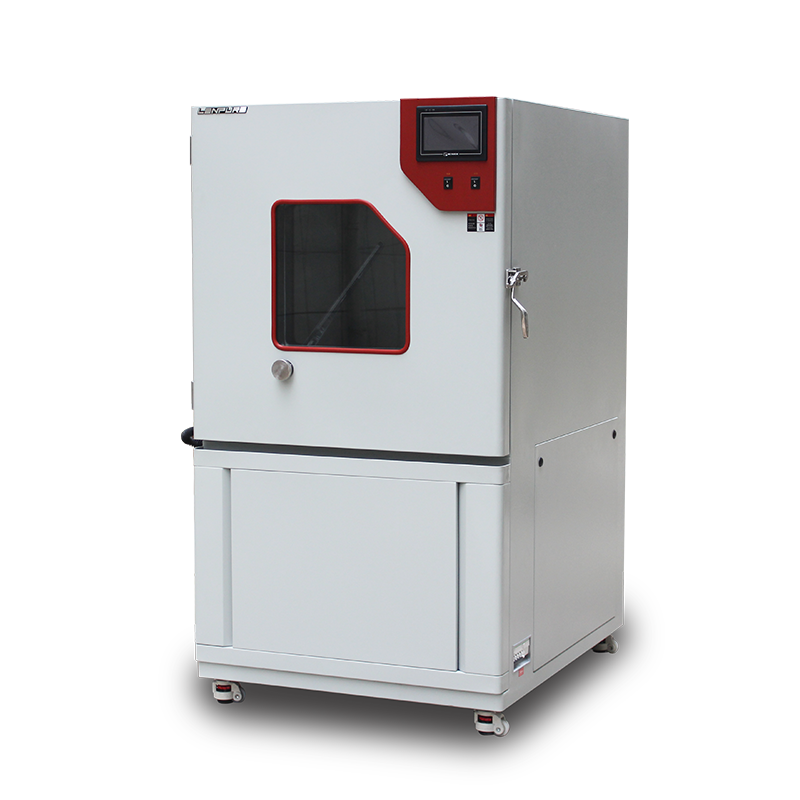
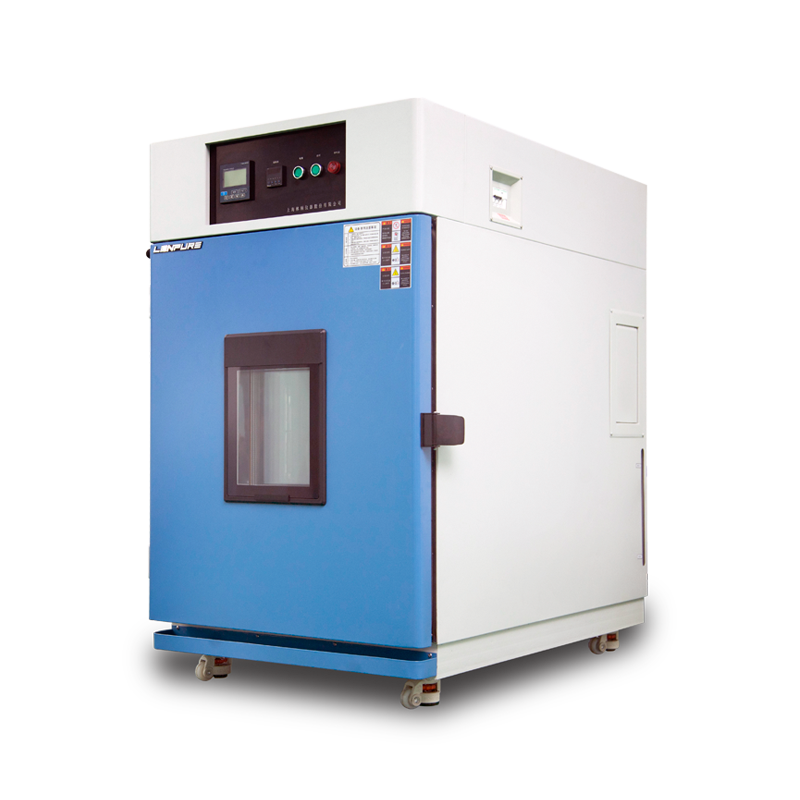
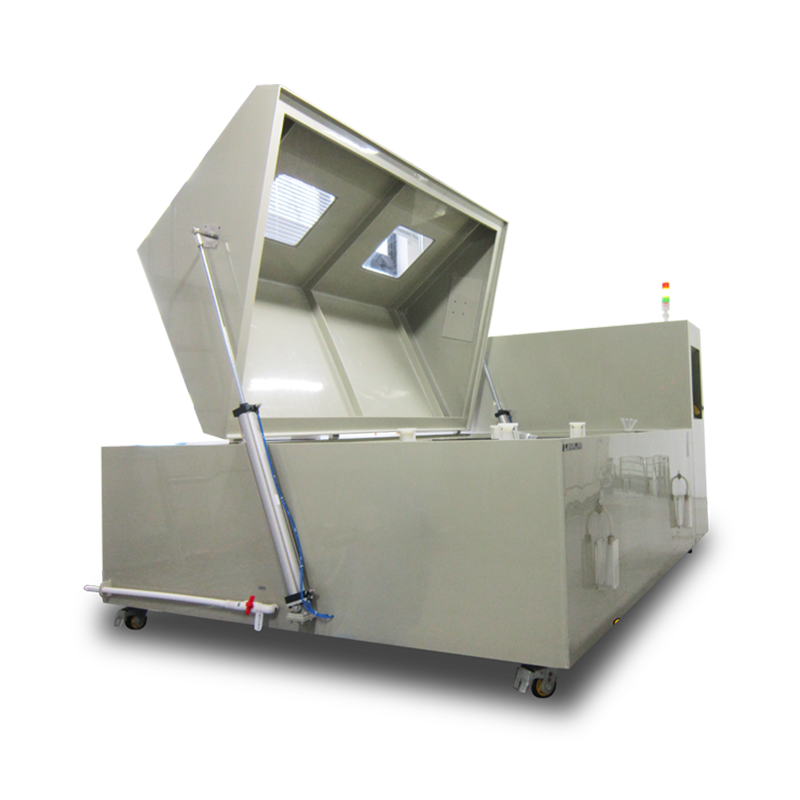
Mastering the methods for troubleshooting low-temperature test chambers enables timely fault detection and repair, allowing the equipment to resume operation more quickly. Below, we share some of the most common faults encountered with this equipment.
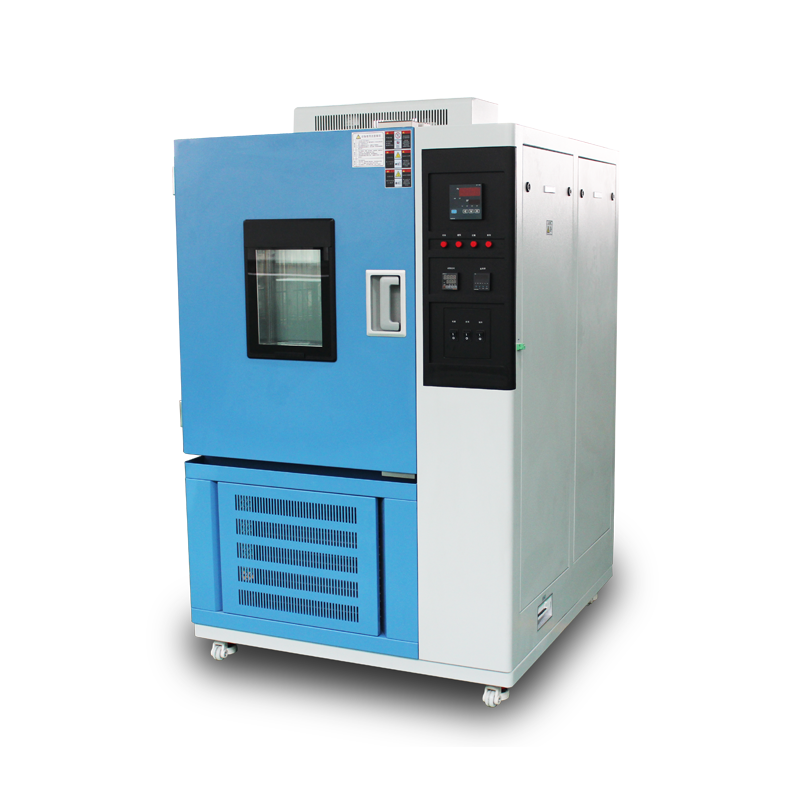
If the temperature inside the chamber fails to reach the set value during operation, it is necessary to inspect the electrical system and identify the cause. If the temperature changes slowly, the air circulation system should be examined to determine whether the baffle is properly opened; if not, the air circulation motor should be inspected. During operation, if an alarm sounds and the control panel displays a fault message, personnel should investigate each alarm sequentially to identify the faulty component. If the fault is due to equipment malfunction, contact the manufacturer’s after-sales service team promptly for repair.
If the humidity reading reaches 100% during testing, this may be caused by dry gauze on the wet-bulb sensor. In this case, check whether the water tank is depleted and verify whether the water level controller and water supply system are functioning properly. Alternatively, prolonged use of the wet-bulb gauze or poor water quality may cause the gauze to harden, preventing it from absorbing moisture and resulting in dryness. The gauze should then be cleaned or replaced. When there is a significant discrepancy between the actual humidity and the target humidity, the humidification system may not be operating correctly. Check whether the water supply is normal; if the system is functioning properly, inspect the electrical control system to confirm whether a fault has occurred. If components are damaged, contact professional maintenance personnel for repair.
Low-temperature test chambers may experience a wide range of faults. This article covers the most common issues and their solutions. When the equipment operates abnormally, personnel should promptly identify the problem, investigate the cause, and address the fault in a timely manner to prevent continued malfunction from affecting test results.








Copyright © 2025 Shanghai Linpin Instrument Co., Ltd Copyright
| ICP Number:Shanghai ICP Record No. 12029585-7
| Sitemap






 EN
EN
 中文
中文 Pусский
 Tiếng Việt
 ภาษาไทย
 پاکستانی زبان