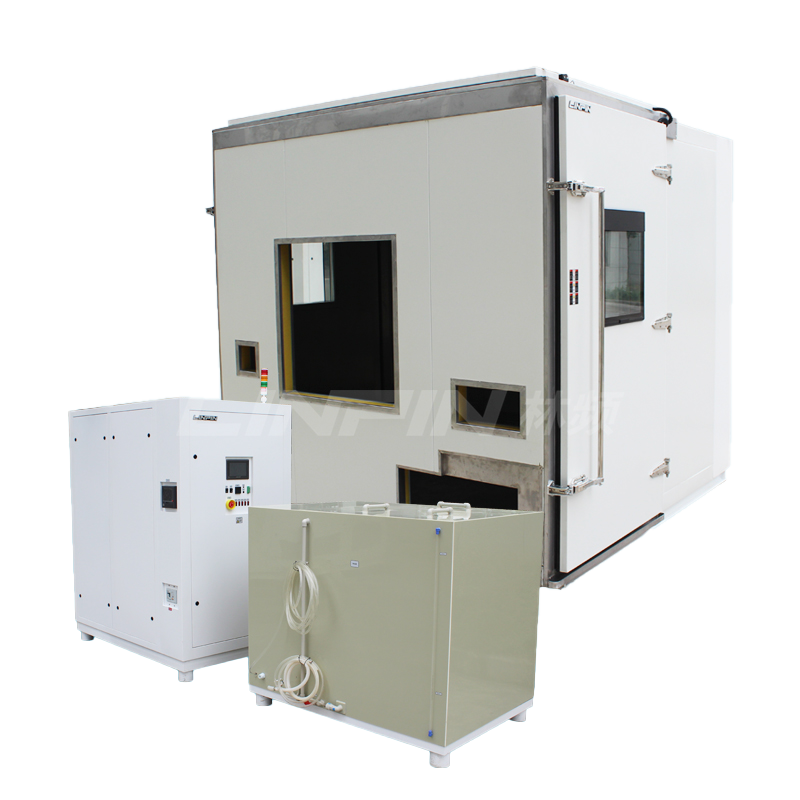
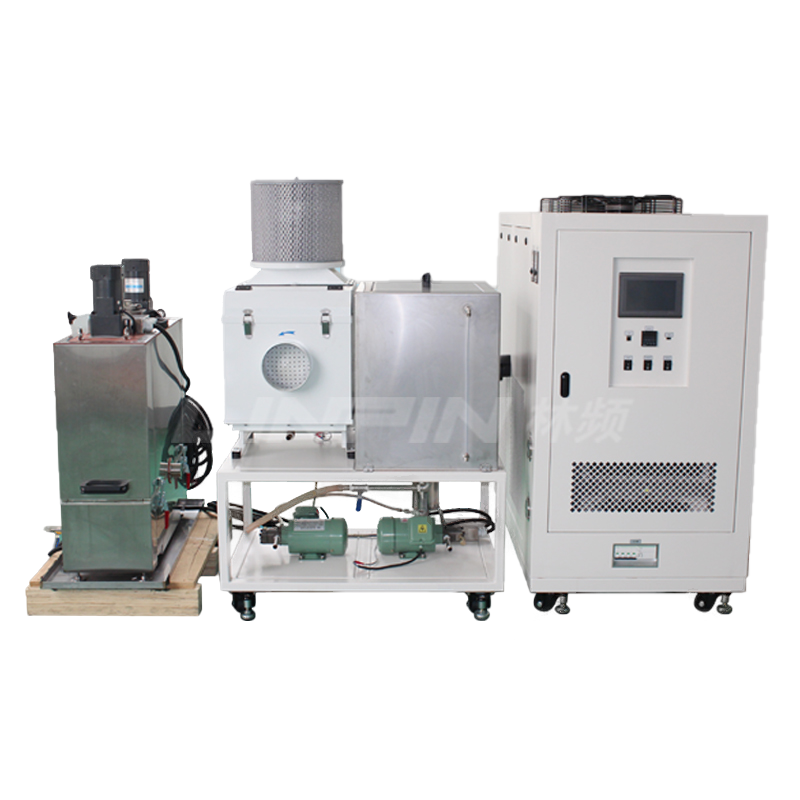
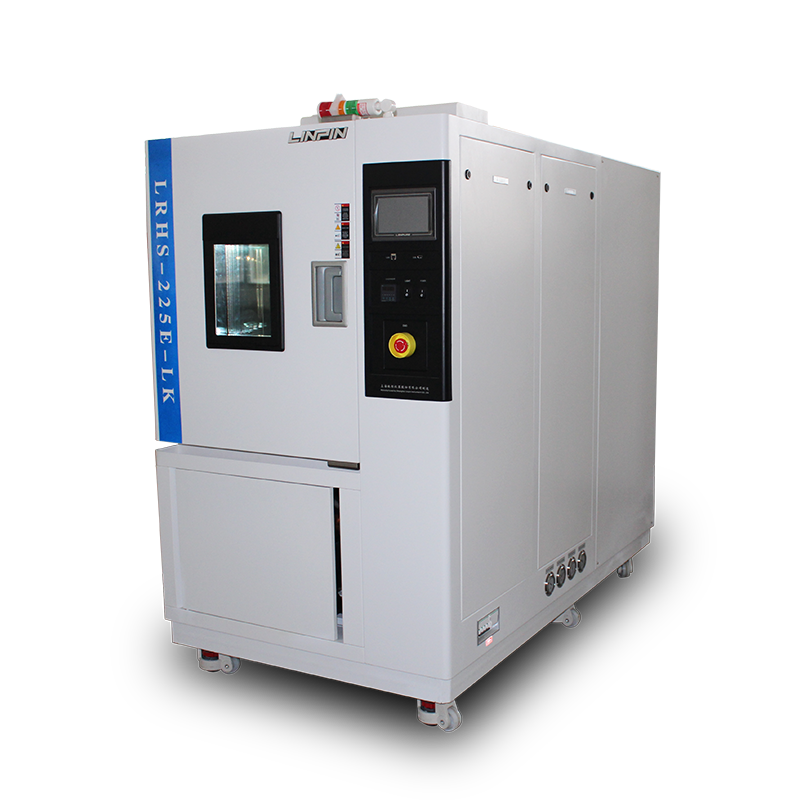
To ensure relatively accurate test results from a rain test chamber, there are several key points to pay attention to. Below, we outline these precautions for your reference.
Pre-Test Preparations Must Be Thorough:
Inspect all components and accessories.
Ensure there are no impurities in the water tank and that it is filled to the required level. Note: The water used must be purified or filtered.
Place the sample securely inside the chamber, ensuring it is not loose.
Close the drainage valve and set the flow control valve to its maximum position.
Before starting the pressure pump for the first time, bleed the air from it by loosening the pump’s vent hole. Then, open the pump’s water inlet valve until water flows out of the vent before tightening the cap.

Setting the Test Duration:
After connecting the power, set the test duration. A setting of “0” means the test will not run. The duration can be set to any value between 0 and 100 hours.
Once the set time is reached, the test will automatically stop. Alternatively, you can manually stop the test by pressing the stop button during operation.
Adjusting the Flow Control Valve During Operation:
Adjust the flow control valve so that the red float in the flow meter reaches the desired flow rate position.
Precautions for Components During Operation:
Do not start the water pump when there is no water in the tank, as this may damage the motor and piping.
The nozzle must be fixed or held firmly by hand to prevent it from swinging due to high pressure when the device is turned on.
Post-Test Procedures:
After completing the test, turn off the power and analyze the sample’s performance and parameters based on relevant data.
Clean any debris inside and outside the chamber, and conduct a thorough inspection to ensure the equipment remains in good condition.
While reading this article, have you noted all these precautions for using a rain test chamber? If you’ve missed any, be sure to incorporate them in your next operation. Doing so will help the device perform tests more effectively. For more information on testing equipment, stay tuned to our website.









Copyright © 2025 Shanghai Linpin Instrument Co., Ltd Copyright
| ICP Number:Shanghai ICP Record No. 12029585-7
| Sitemap






 EN
EN
 中文
中文 Pусский
 Tiếng Việt
 ภาษาไทย
 پاکستانی زبان