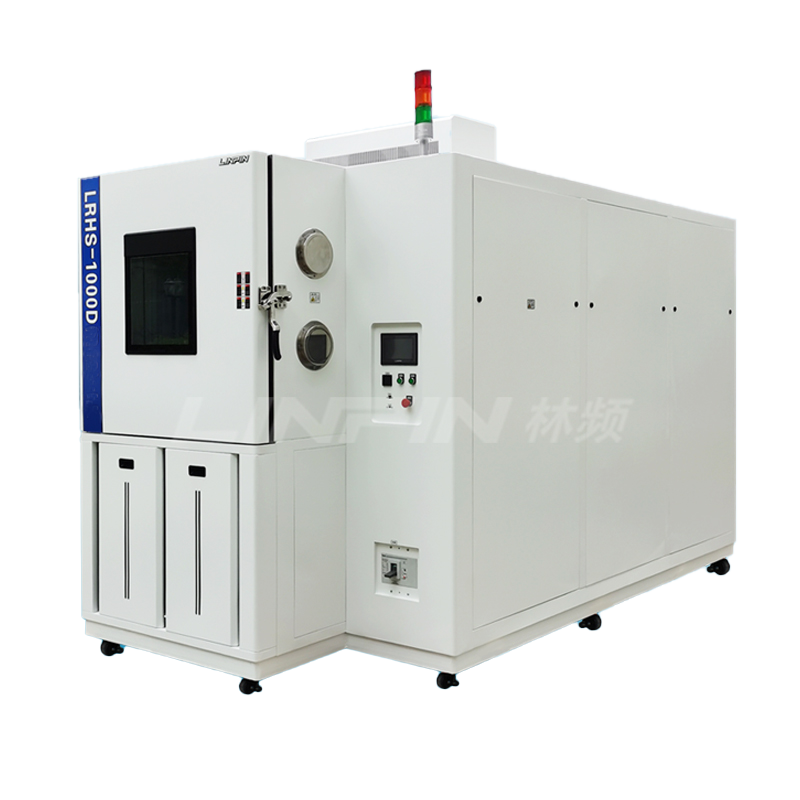
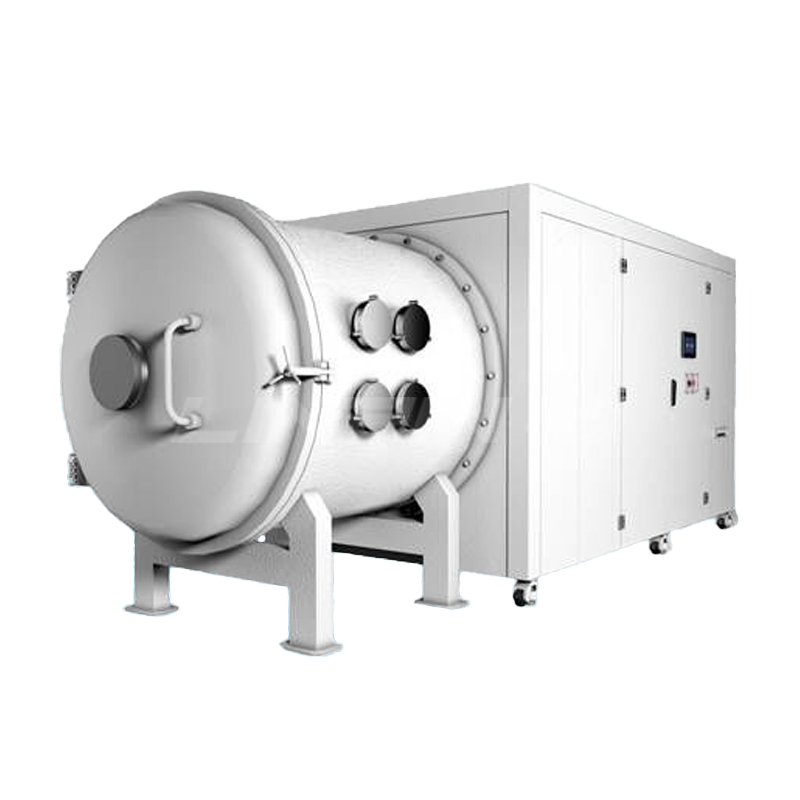
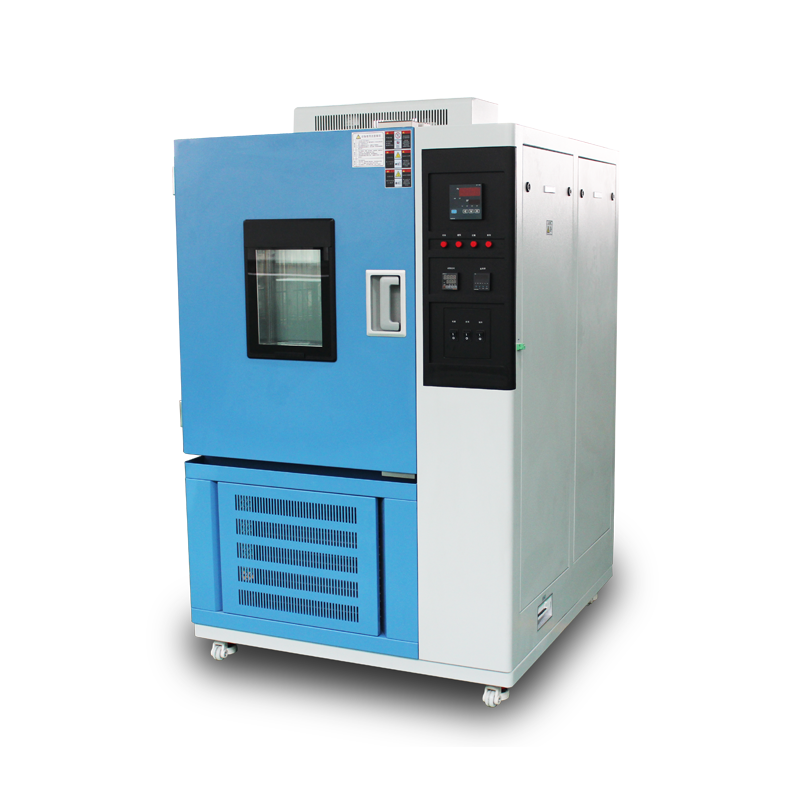
Thermal shock testing chambers are used to evaluate how materials perform under rapid, extreme temperature changes (from very high to very low temperatures in seconds). These chambers are widely used in industries such as electronics, plastics, and metals to test thermal expansion and contraction effects.

However, some materials are unsafe or unsuitable for testing in these chambers due to risks like explosion, combustion, or chemical reactions. Below are the categories of materials that cannot be tested in a thermal shock chamber:
1. Explosive Materials (Strictly Prohibited)
Due to the risk of detonation under rapid temperature changes, the following explosive substances must never be tested:
Nitrate esters: Nitroglycerin, nitrocellulose, nitroglycol.
Nitro compounds: Trinitrotoluene (TNT), trinitrobenzene, trinitrophenol (picric acid).
2. Flammable Materials (High Fire Risk)
Materials with low flash points can ignite under extreme temperatures. They are classified into five categories based on flammability:
① Flash Point ≥ 30°C
Coal, gasoline, turpentine, isoamyl alcohol, acetic acid.
② Flash Point ≥ 0°C
Alcohols (methanol, ethanol), dimethyl ether, ethyl acetate.
③ Flash Point Between -30°C and 0°C
Ethane, ethylene, acetone, benzene, methyl ethyl ketone.
④ Flash Point Below -30°C
Ethanol, gasoline, acetaldehyde, propylene, carbon disulfide.
⑤ Flammable Gases (Ignite at 15°C & 1 atm)
Hydrogen, acetylene, ethylene, methane, propane, butane.
3. Combustible Materials (Fire Hazard Under Rapid Temp Changes)
While not as volatile as flammable materials, these can still pose risks:
Alkali metals: Lithium, potassium, sodium.
Reactive solids: Yellow phosphorus, red phosphorus, aluminum powder, magnesium powder.
Other combustibles: Calcium carbide, sodium hydrosulfite, phosphorus sulfide.
4. Oxidizing Agents (Risk of Violent Reactions)
These materials can accelerate combustion or explode when exposed to rapid temperature shifts:
Chlorates: Potassium chlorate, sodium chlorate, ammonium chlorate.
Perchlorates: Potassium perchlorate, sodium perchlorate.
Nitrates: Potassium nitrate, sodium nitrate.
Peroxides: Potassium peroxide, sodium peroxide, barium peroxide.
Conclusion
Thermal shock chambers are not safe for testing explosive, flammable, combustible, or oxidizing materials. Always verify material safety before testing to prevent accidents, fires, or explosions.
For other materials (e.g., metals, plastics, electronics), thermal shock testing remains an effective method for durability assessment.
Would you like additional safety guidelines for specific materials?

25.04






Copyright © 2025 Shanghai Linpin Instrument Co., Ltd Copyright
| ICP Number:Shanghai ICP Record No. 12029585-7
| Sitemap






 EN
EN
 中文
中文 Pусский
 Tiếng Việt
 ภาษาไทย
 پاکستانی زبان