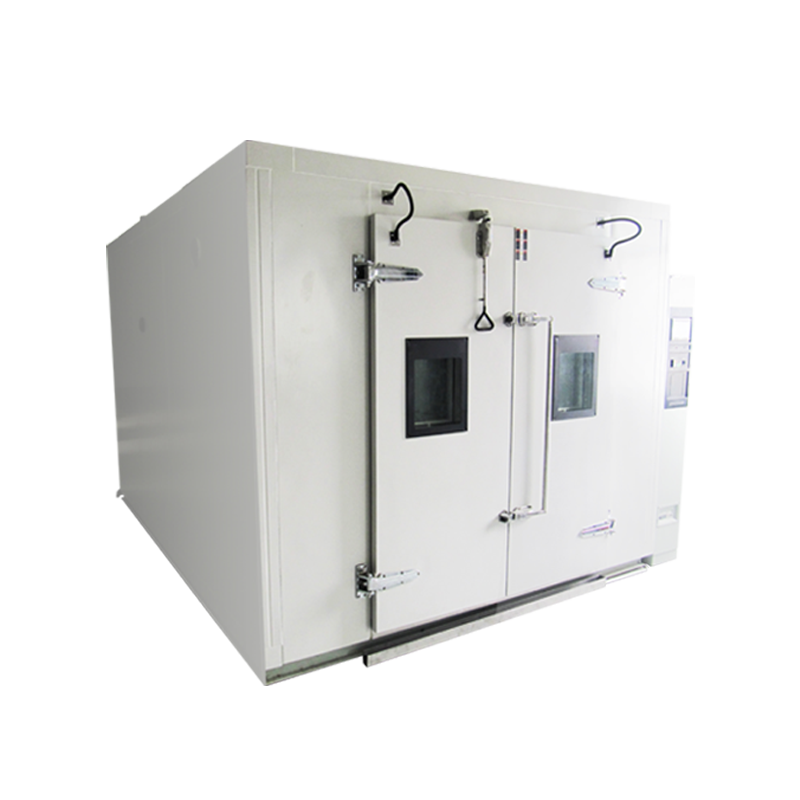
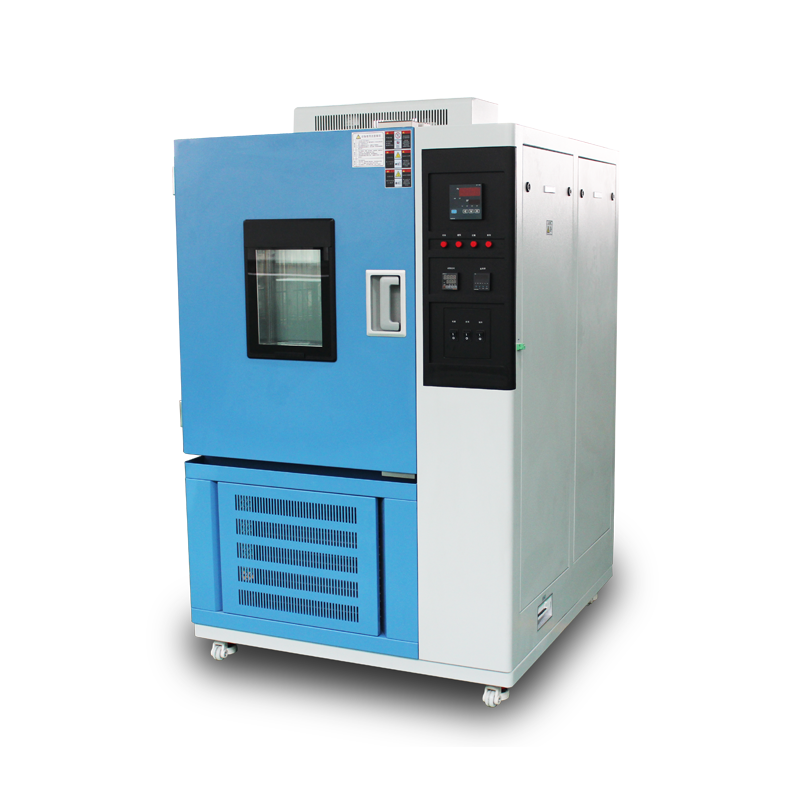
A super low temperature test chamber is a device used to simulate the performance and reliability of products under low-temperature conditions. To ensure the accuracy of the test results, it is crucial to set the temperature correctly. Here are the general steps for setting the temperature in a super low temperature test chamber:

1. Check the Equipment Status:
Before setting the temperature, it is essential to check the overall condition of the super low temperature test chamber. Ensure that the power supply is connected properly, the voltage is stable, and there are no abnormal noises or odors. At the same time, check that the interior of the chamber is clean and free of debris. Make sure that the samples inside the test chamber are placed in a fixed position and not stacked, as this could affect the uniformity of the temperature and the test results.
2. Open the Control Panel:
Super low temperature test chambers typically come with a control panel that is used to set and display various parameters. According to the equipment model and manual, locate the options related to temperature settings on the control panel.
3. Set the Target Temperature:
On the control panel, enter the desired temperature value using buttons or a touchscreen. The temperature value should meet the test requirements and must not exceed the temperature range of the test chamber. Also, consider the characteristics of the product to avoid setting temperatures that are too high or too low.
4. Set the Temperature Change Rate:
In addition to setting the target temperature, it is necessary to set the rate of temperature change according to the test requirements. This ensures that the product can gradually adapt to the low-temperature environment during the cooling process. Avoid frequent temperature adjustments during this period to more accurately assess its performance.
5. Start the Test:
After setting the temperature and the rate of temperature change, the super low temperature test chamber can be started to begin the test. During the test, it is important to closely monitor the operation of the equipment and the temperature changes to ensure the smooth progress of the test.
6. Record Data:
During the test, temperature data and the performance of the product should be recorded regularly. These data can be used to analyze the performance trends of the product under low-temperature conditions and provide a basis for subsequent optimization and improvement.
7. Safety Protection Measures:
To ensure the accuracy and safety of the test results, as well as the safety of the equipment, pay attention to the safety protection measures and warnings of the test chamber. For example, over-temperature protection, overload protection, and over-current protection can prevent abnormal situations and allow for timely corrections or cessation of the test.
It should be noted that different models of super low temperature test chambers may have differences in operation. Therefore, before setting up, it is necessary to carefully read the equipment manual or operating instructions to understand the specific operating steps and precautions.








Copyright © 2025 Shanghai Linpin Instrument Co., Ltd Copyright
| ICP Number:Shanghai ICP Record No. 12029585-7
| Sitemap






 EN
EN
 中文
中文 Pусский
 Tiếng Việt
 ภาษาไทย
 پاکستانی زبان