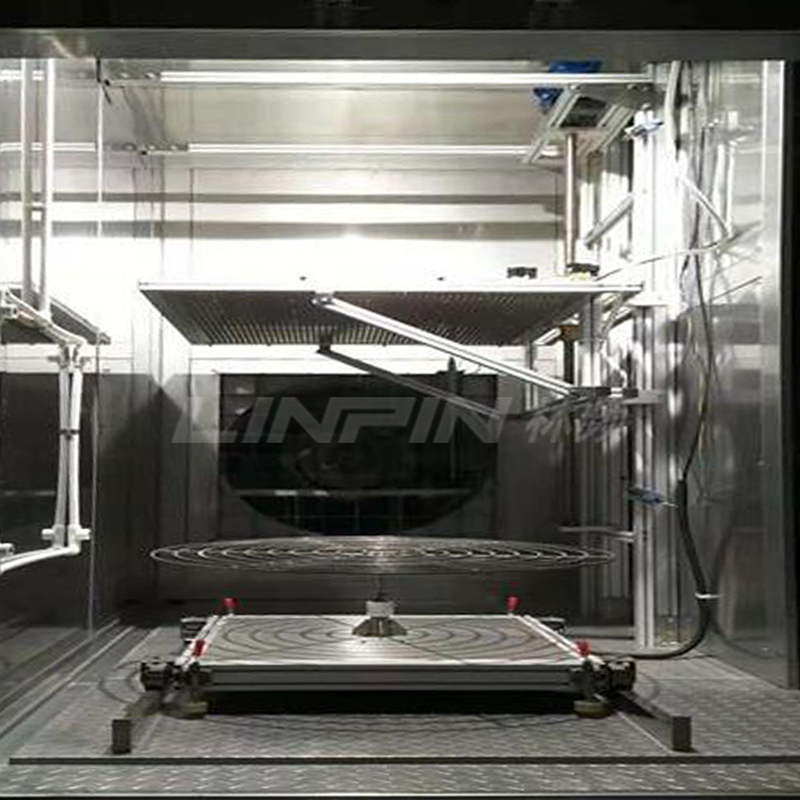
Pure Water Filtration System: The Key to Ensuring Test Water Quality
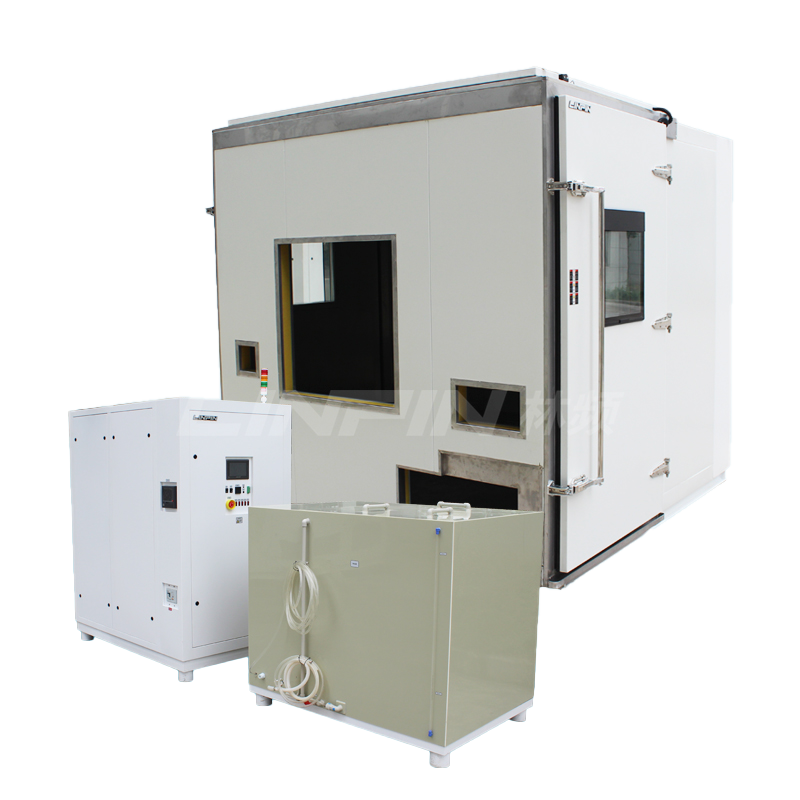
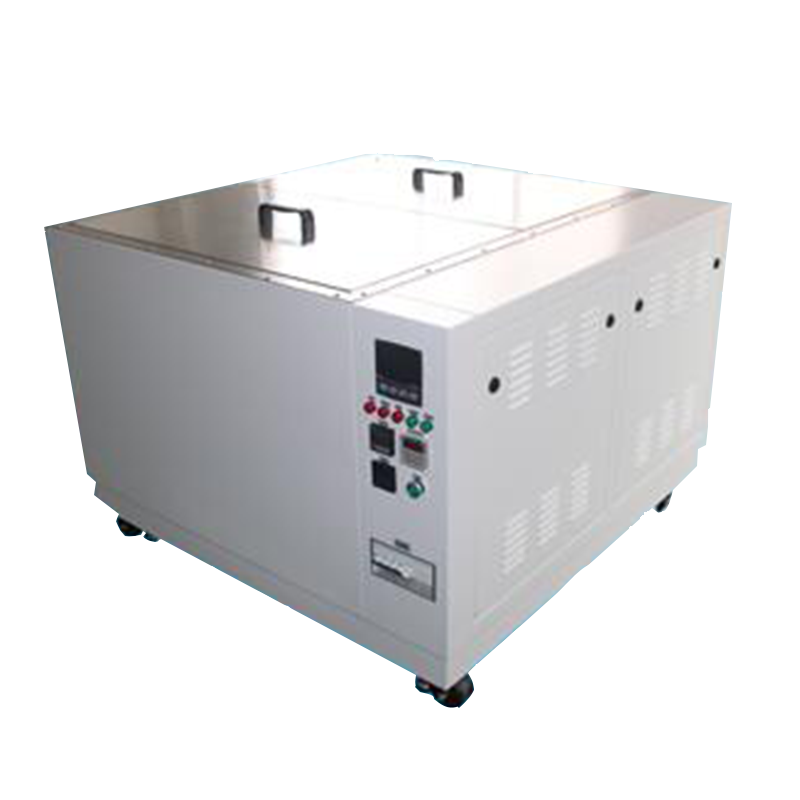
As a core supporting device for UV aging tests, the pure water filtration system effectively removes impurity ions from tap water through a three-stage filtration technology. This system features an intelligent interlocking design that automatically activates the water inlet solenoid valve when the water level in the storage tank falls below the set value, quickly replenishing the tank with filtered purified water. It is recommended that users replace the filter cartridge every three months to ensure that the water quality meets the requirements of the ASTM G154 standard.
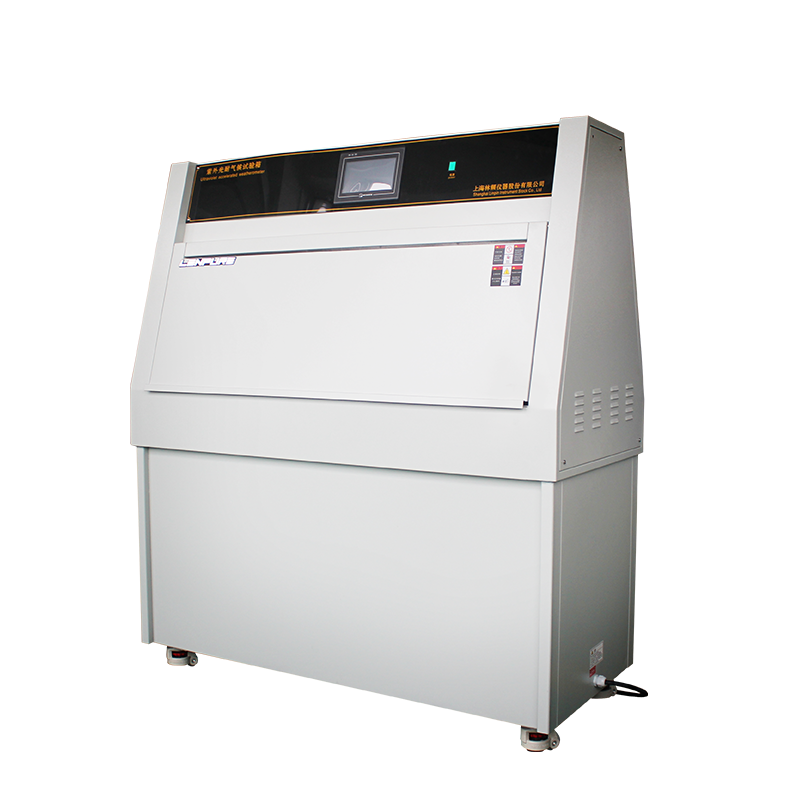
Intelligent Light Protection Safety System: A Shield for Operators
This safety system is composed of imported German photoelectric sensors and an emergency stop module, with the following characteristics:
Utilizes infrared sensing technology with a detection accuracy of ±1 mm.
Features a dual-channel safety loop design with a response time of less than 0.1 seconds.
Complies with the ISO 7010 safety sign standards. When the chamber door is opened beyond a 15° angle, the system cuts off the UV lamp power supply within 50 milliseconds and triggers an audio-visual alarm. The test can only be restarted manually after the door is closed, effectively eliminating the risk of accidental operation.
Irradiance Monitoring Solutions: Dual-Mode Selection for Precise Measurement
3.1 Handheld Irradiance Meter
Equipped with an original Japanese sensor with a measurement range of 290–400 nm.
Features a 7-inch color touch screen that supports data export functionality.
Comes with a NIST-traceable calibration certificate as standard.
3.2 Embedded Irradiance Monitoring System
Utilizes an industrial-grade 316L stainless steel probe.
Supports the Modbus RTU communication protocol.
Can be integrated into the equipment control system to achieve closed-loop regulation.
It is recommended that users select configurations based on the requirements of the test standards. For the automotive industry, the embedded system is recommended to meet the continuous monitoring requirements of the SAE J2527 standard.


25.09






Copyright © 2025 Shanghai Linpin Instrument Co., Ltd Copyright
| ICP Number:Shanghai ICP Record No. 12029585-7
| Sitemap






 EN
EN
 中文
中文 Pусский
 Tiếng Việt
 ภาษาไทย
 پاکستانی زبان