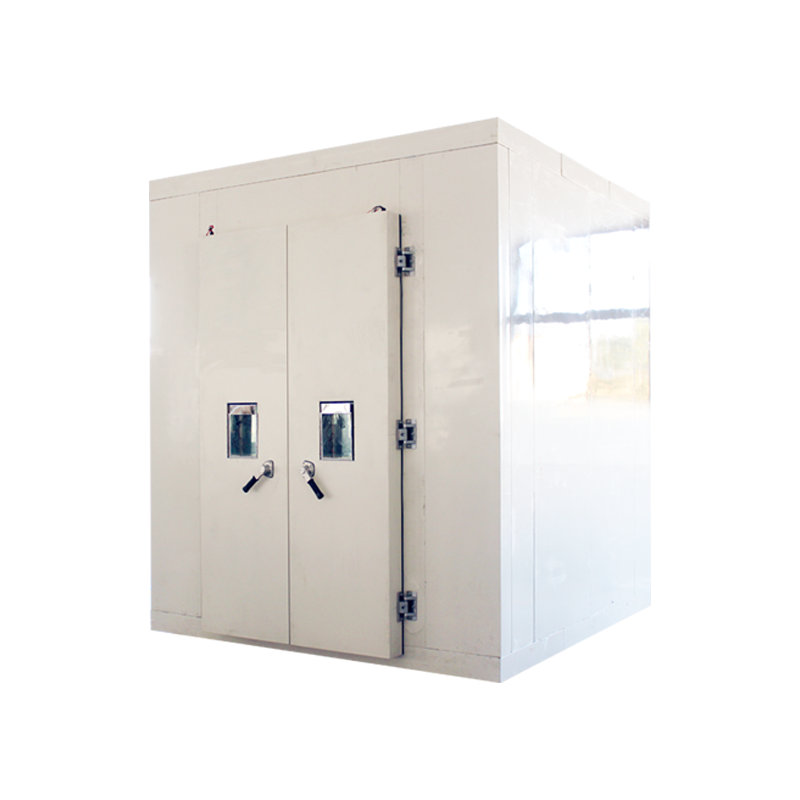
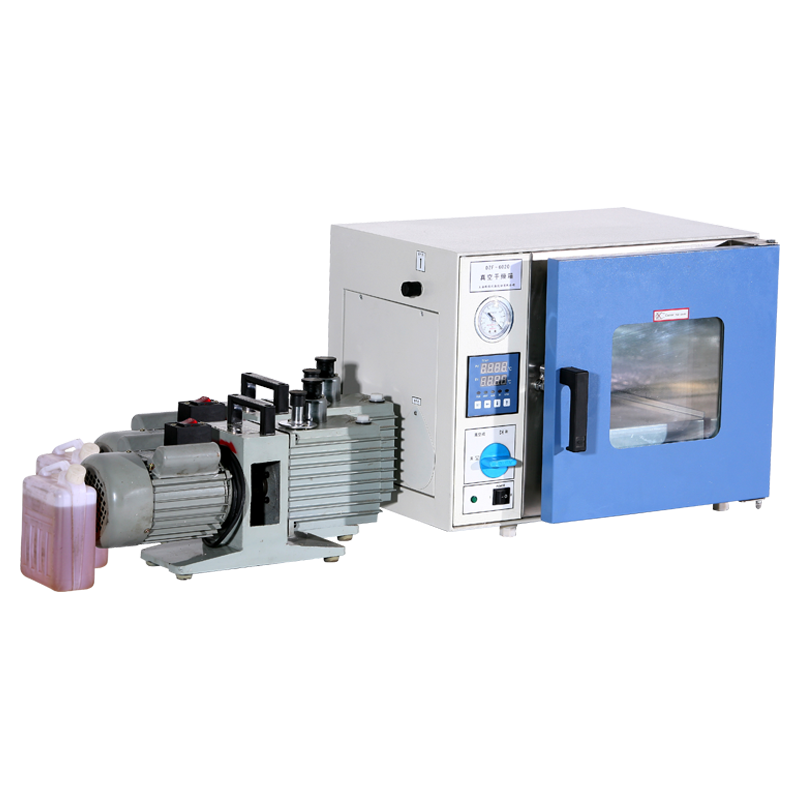
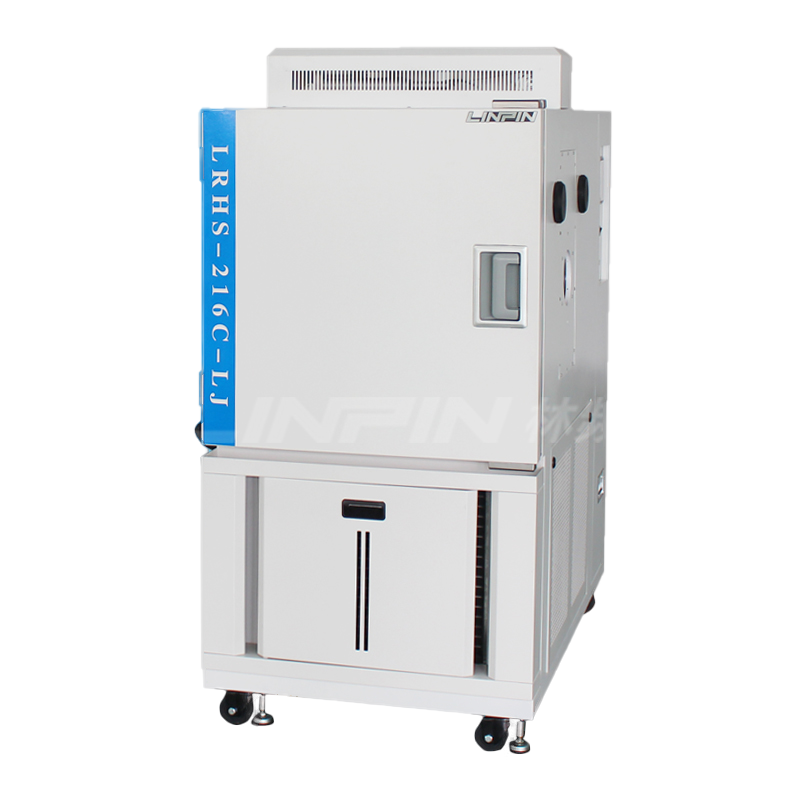
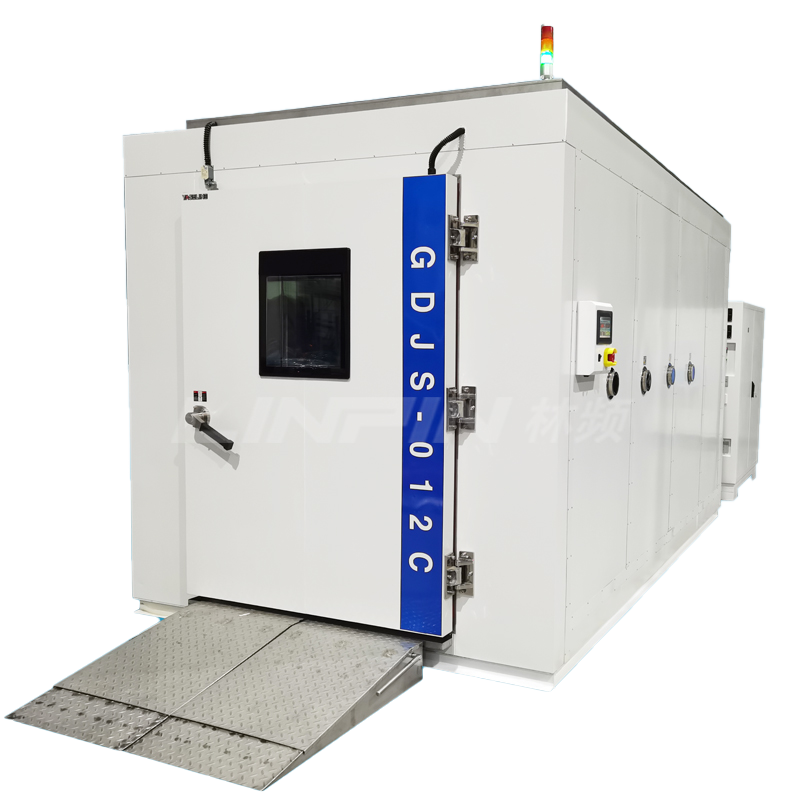
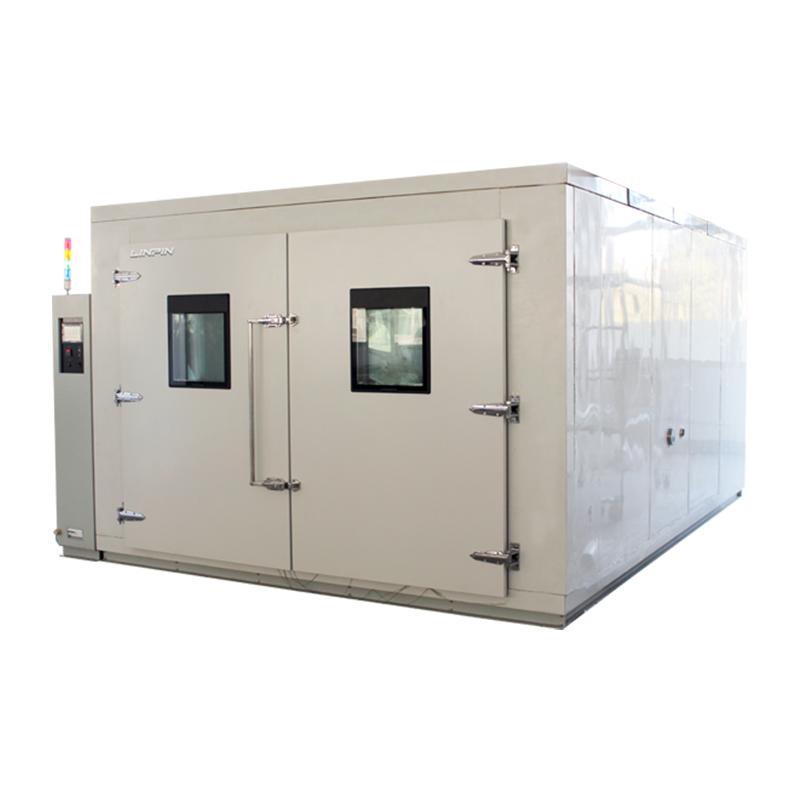
Whether low-temperature test chambers emit radiation is a topic of concern for many. Today, we’d like to discuss this issue with you.
Do low-temperature test chambers emit radiation?
When people talk about radiation, they often refer to solar radiation, electromagnetic radiation, thermal radiation, etc. Solar radiation, as the name suggests, consists of particle streams and electromagnetic waves emitted by the sun. Clearly, low-temperature test chambers do not produce solar radiation.
Electromagnetic radiation is the propagation of energy in the form of waves through oscillating electric and magnetic fields, which are perpendicular to each other and to the direction of propagation, effectively transferring energy and momentum.

Thermal radiation is the transfer of heat energy from an object in the form of electromagnetic waves. It does not rely on external conditions and is one of the three primary modes of heat transfer. Any two objects with a temperature difference will exhibit some degree of thermal radiation.
During operation, test equipment does generate weak radiation. However, since the radiation produced during testing is low-frequency and weak in intensity, it generally poses no harm. Moreover, test equipment is designed in compliance with relevant standards and does not contain significant radiation sources. Similar to household appliances in daily use, the radiation levels are extremely minimal. Even when multiple devices operate simultaneously, the radiation remains negligible. Therefore, there is no need to worry about whether test equipment emits radiation, and routine testing can proceed normally.
That concludes our discussion on whether low-temperature test chambers emit radiation. If you still have concerns after this explanation, you may opt for professional testing by relevant institutions.
People’s concerns about radiation in equipment often stem from a desire to ensure safety and use higher-performance devices. We recommend purchasing equipment from reputable manufacturers. Linpin Instruments is a producer of environmental testing products. If you are interested in temperature and humidity testing equipment, you may call 400-066-2888 for specifications and technical details.

26.05

25.03






Copyright © 2025 Shanghai Linpin Instrument Co., Ltd Copyright
| ICP Number:Shanghai ICP Record No. 12029585-7
| Sitemap






 EN
EN
 中文
中文 Pусский
 Tiếng Việt
 ภาษาไทย
 پاکستانی زبان