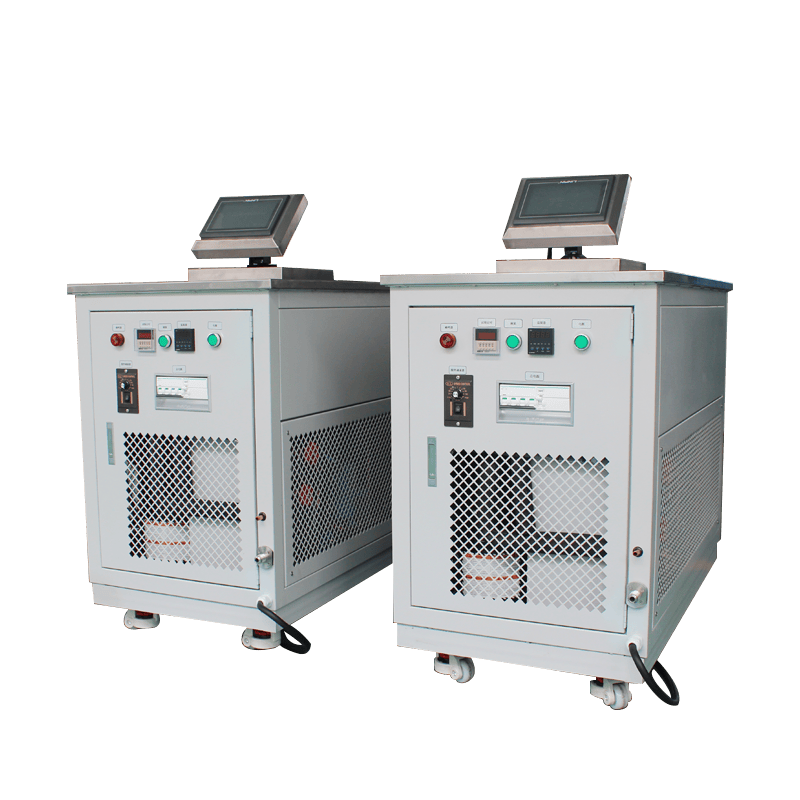
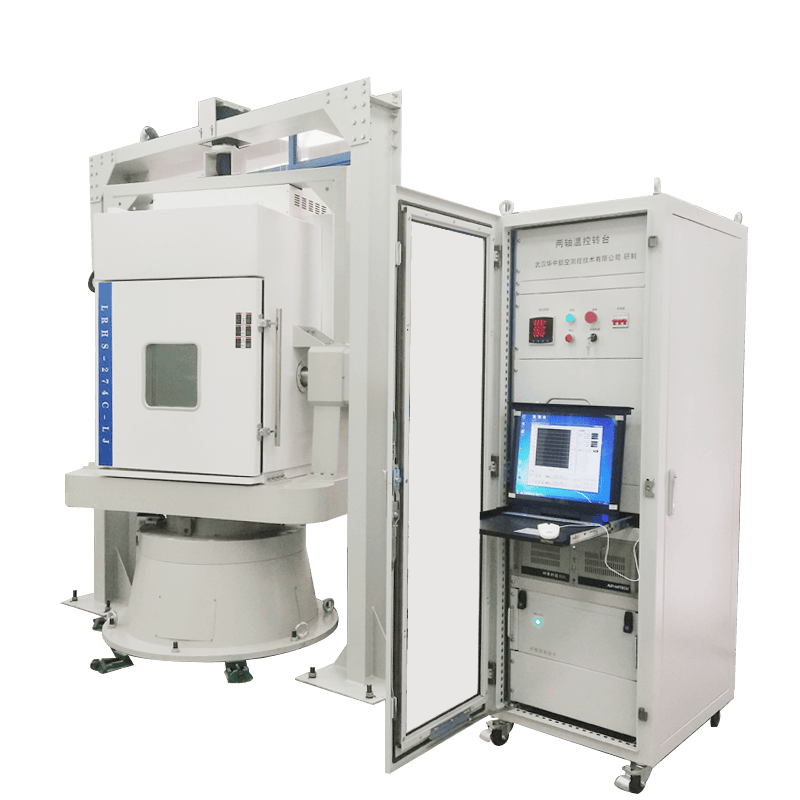
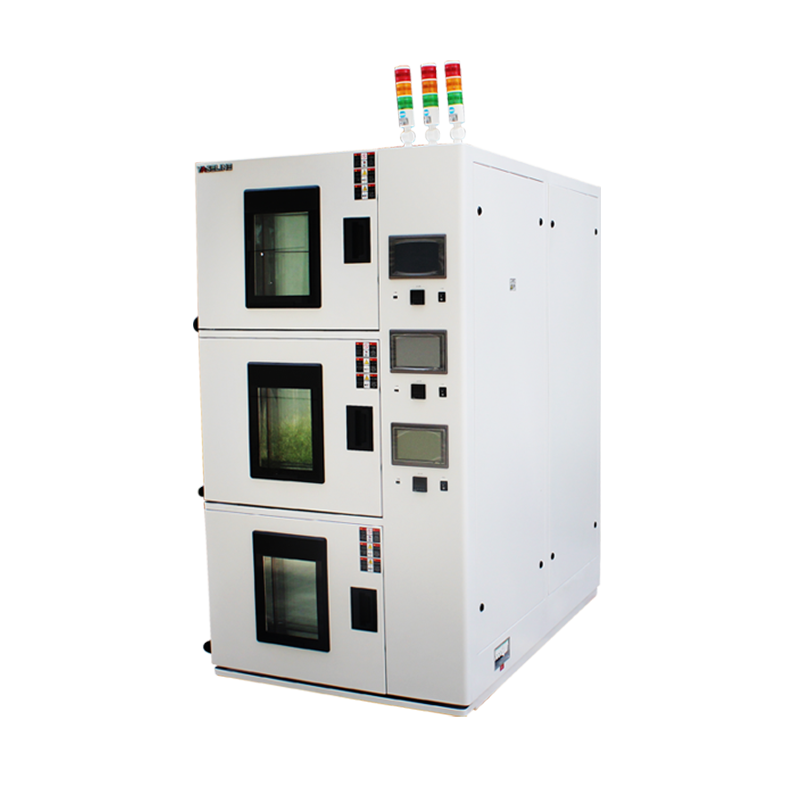
Formaldehyde VOC environmental test chamber, also known as formaldehyde emission testing chambers, are large-scale testing equipment primarily used to simulate standard climatic conditions for measuring the release of formaldehyde from indoor decoration and renovation materials. Testing begins during the production phase of products, ensuring the production of compliant, high-quality, and formaldehyde-free items, which are highly favored by consumers.
Today, with rapid development across all sectors of society, people’s lifestyles have undergone significant changes. While the quality of life has improved, certain factors detrimental to human health have also emerged. Harmful substances produced during home renovations, factory emissions, air pollution, and other elements pose serious risks to human health.

This is where the importance of formaldehyde test chambers becomes evident. Although there is currently no quick and effective method to eliminate formaldehyde and other harmful factors, formaldehyde emission testing chambers can conduct tests on products containing formaldehyde, enabling targeted solutions to significantly reduce formaldehyde emissions. After all, the purpose of these chambers is not only to reliably and effectively detect formaldehyde levels but also to quickly and efficiently understand the emission levels and potential hazards of various harmful substances.
The specific testing procedure involves placing samples inside the chamber, where humidity, temperature, air velocity, and air exchange rates are controlled. The samples release formaldehyde, which mixes with the air inside the chamber. The air is periodically extracted and passed through an absorption bottle containing distilled water, allowing the formaldehyde in the air to dissolve into the water.
Subsequently, the amount of formaldehyde in the absorption liquid and the volume of extracted air are measured to calculate the formaldehyde concentration per cubic meter of air, expressed in milligrams per cubic meter (mg/m³). The air extraction and sampling process is conducted periodically until the formaldehyde concentration in the chamber reaches a stable equilibrium state.

25.03

25.05







Copyright © 2025 Shanghai Linpin Instrument Co., Ltd Copyright
| ICP Number:Shanghai ICP Record No. 12029585-7
| Sitemap






 EN
EN
 中文
中文 Pусский
 Tiếng Việt
 ภาษาไทย
 پاکستانی زبان