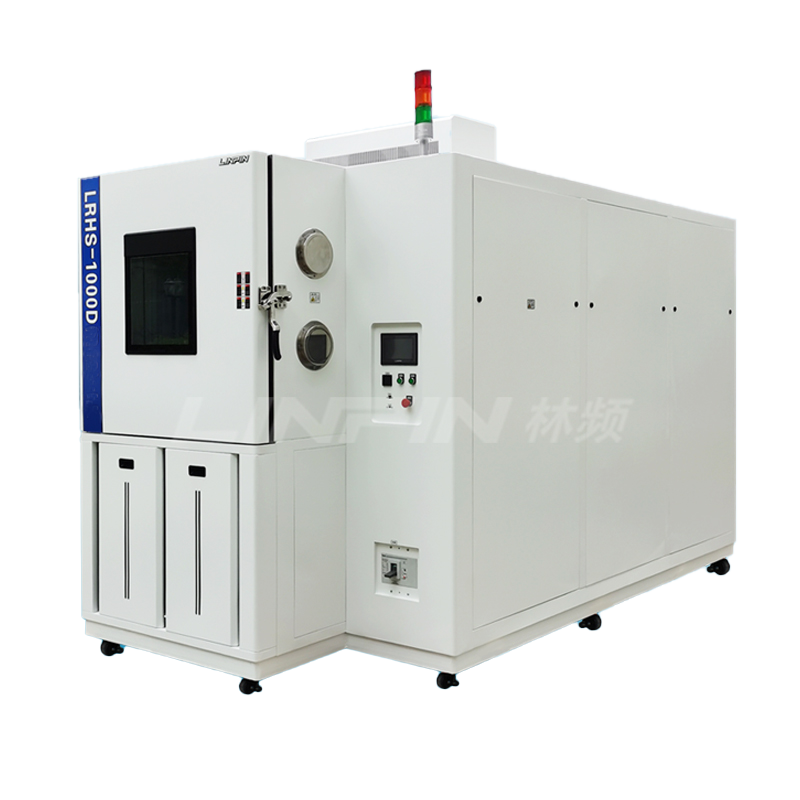
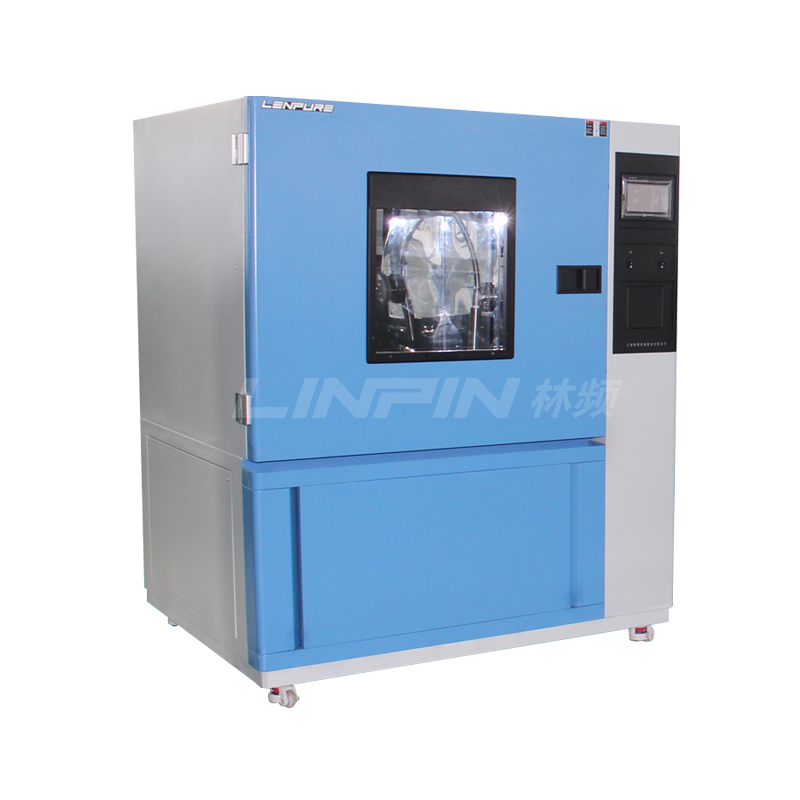
Rain spray chambers are commonly referred to as waterproof test chambers, box-type rain spray test chambers, among other names. The primary purpose of this testing equipment is to evaluate whether electronic and electrical products, materials, household appliances, and various types of lighting fixtures are affected during rain spray testing, particularly whether their casings or sealed components can maintain operational performance and adaptability under such conditions.
The testing equipment can simulate natural precipitation, water seepage, water sprinkling, and water splashing conditions from the external environment, reproducing the impact of external rain climate on product materials.
So, what problems may arise during testing with a rain spray chamber? What measures should be taken to ensure safer and more rational use of the test chamber? Below, the editor will outline these important considerations to help you complete your tests more effectively.
First, it is essential to control the rainfall intensity and duration within the test chamber; otherwise, the test results will be compromised. It is important to remember that all testing should align with actual conditions. If the test duration is excessively long, the precipitation volume will become too large, which deviates from natural rainfall patterns and will directly lead to errors in the test results. Conversely, if the test duration is too short, the water may not have sufficient contact with the specimen to achieve the basic conditions necessary for water ingress, thereby failing to meet the intended evaluation criteria.
Second, specimens must be positioned correctly; otherwise, test errors will occur. When using the equipment to simulate real rainfall environments, the direction of rainfall may vary with each test, resulting in different contact areas between the specimen surface and the rainwater. Variations in rain exposure conditions can cause discrepancies in test results. Therefore, it is crucial to place specimens in the correct position during testing.
Third, water pressure plays a critical role in the testing process, and pressure instability will affect the test progress. The operating pressure required by the equipment is supplied by tap water, which may fluctuate between high and low pressure levels, lacking stability. To ensure smooth test execution, it is necessary to maintain normal working pressure; thus, a water storage and pressure stabilization device is of paramount importance.
Fourth, the water temperature for testing should ideally be maintained within the range of 15°C ± 10°C; otherwise, the test results will be affected. Highly intense precipitation typically occurs during hot summer conditions. Since rainfall can regulate temperature as it falls, the temperature difference between the landing rainwater and the specimen is relatively small, reducing the likelihood of condensation forming inside the specimen. Therefore, strict control of the test water temperature in the rain spray chamber is essential.



















 EN
EN
 中文
中文 Pусский
 Tiếng Việt
 ภาษาไทย
 پاکستانی زبان