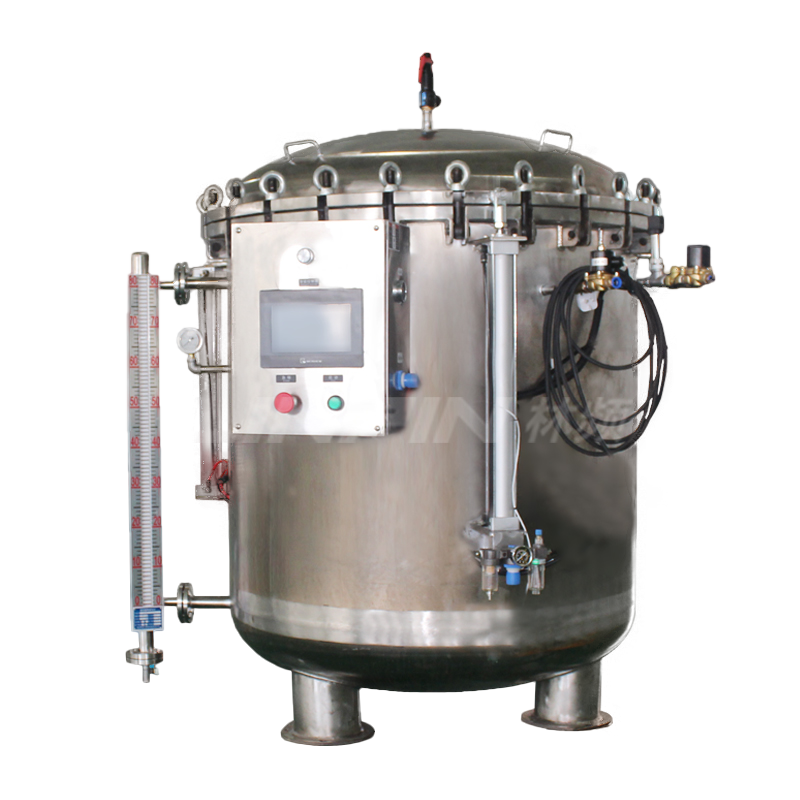
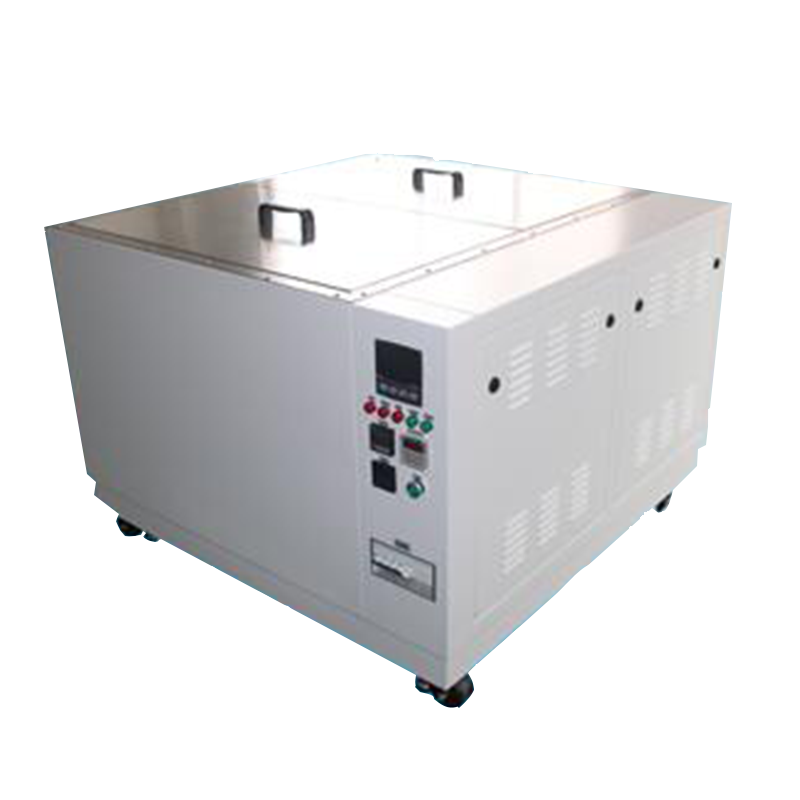
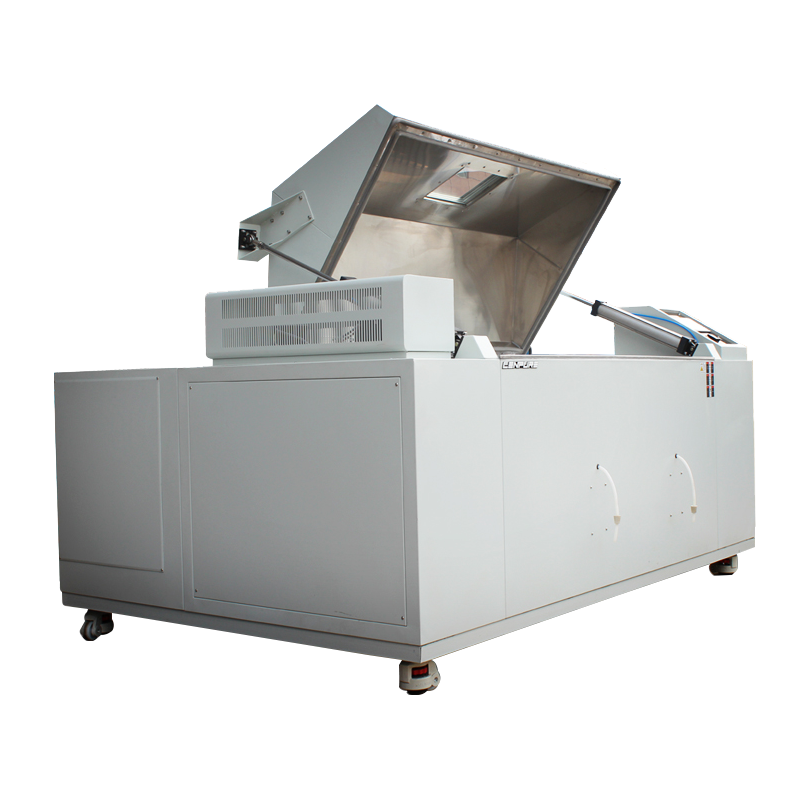
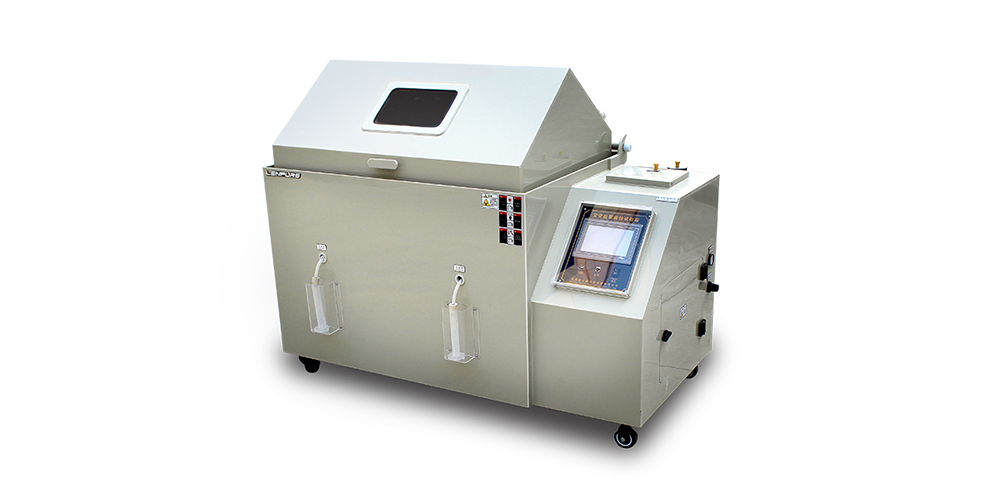
A salt spray chamber is a testing device used to evaluate the corrosion resistance of various materials. Depending on the material or specimen being tested, the specific test parameters—including temperature, humidity, pH value, and solution composition—may vary. Based on these key differences, salt spray tests are classified into four categories. In this article, we will elaborate on these four test methods and the corresponding materials they apply to.
I. Neutral Salt Spray Test
The neutral salt spray test, also known as the NSS test, is the earliest and most widely used rapid salt spray test. It is commonly employed to assess the corrosion resistance of zinc, cadmium protective coatings, or decorative nickel-chromium plating. The salt solution concentration used in this test is 5%, with a pH value ranging from 6 to 7, the temperature set at approximately 35°C, and the humidity maintained above 95%.
II. Acetic Acid Salt Spray Test
The acetic acid salt spray test, abbreviated as the AASS test, is conducted by adding glacial acetic acid to the solution used in the neutral salt spray test, making the solution acidic with a pH value of approximately 3. Due to the increased acidity, this test exhibits stronger corrosiveness and a faster testing speed. It is applicable to copper-nickel-chromium and nickel-chromium coatings.
III. Copper-Accelerated Acetic Acid Salt Spray Test
This test, referred to as the CASS test, represents the latest advancement in salt spray testing. As its name suggests, it involves the addition of copper chloride to the acetic acid salt spray solution, with the test chamber temperature set at 50°C. The applicable materials are essentially the same as those for the acetic acid salt spray test; however, the testing rate is significantly accelerated.
IV. Cyclic Salt Spray Test
This is a more comprehensive salt spray test, conducted as a neutral salt spray test under constant temperature and humidity conditions. It is frequently used for mechanical equipment with hollow internal structures, testing both the interior and exterior of the specimen to determine whether the test object remains functional after the test.
The type of test selected for a salt spray chamber depends on the specimen being tested. At present, the range of available test types continues to expand to meet the growing demands for accuracy and efficiency in test results.




















 EN
EN
 中文
中文 Pусский
 Tiếng Việt
 ภาษาไทย
 پاکستانی زبان