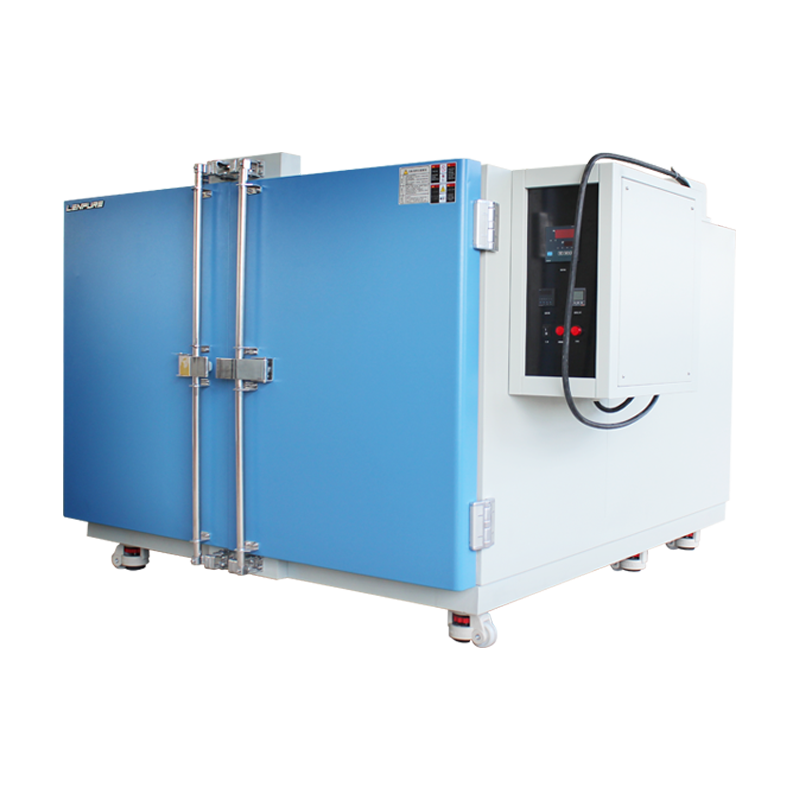
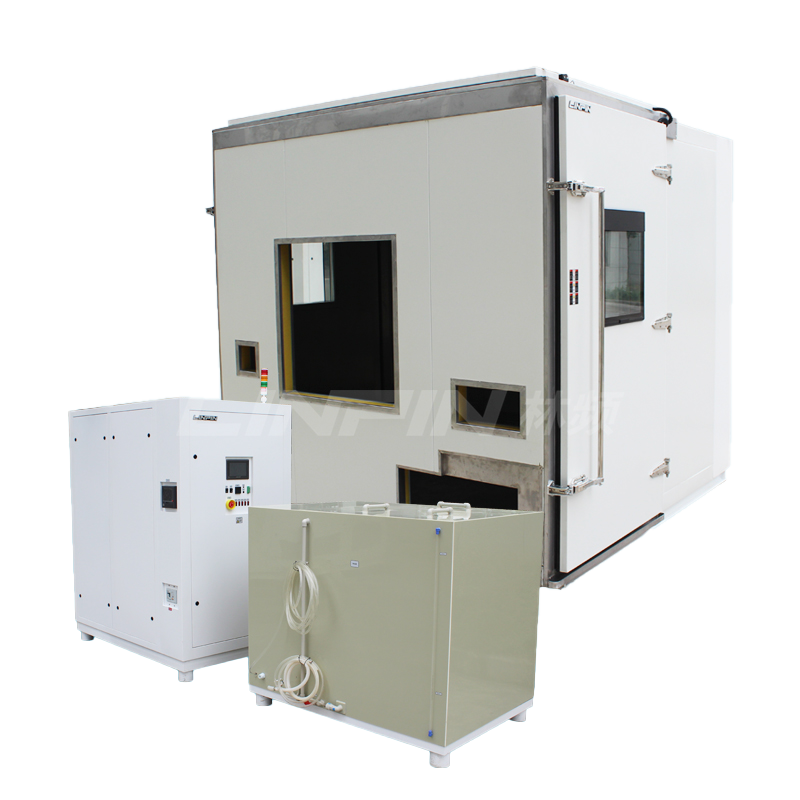
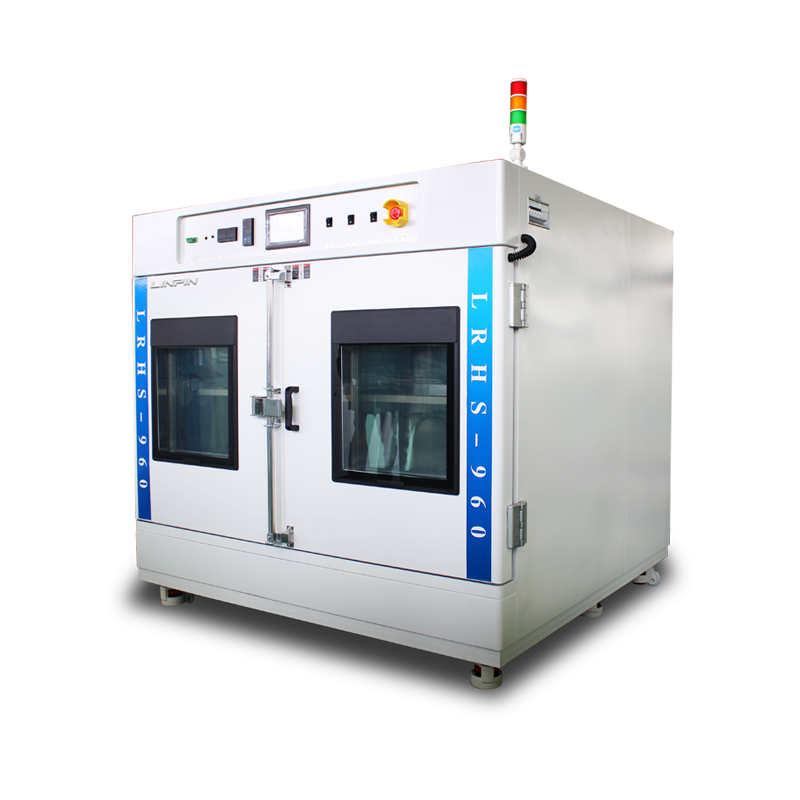
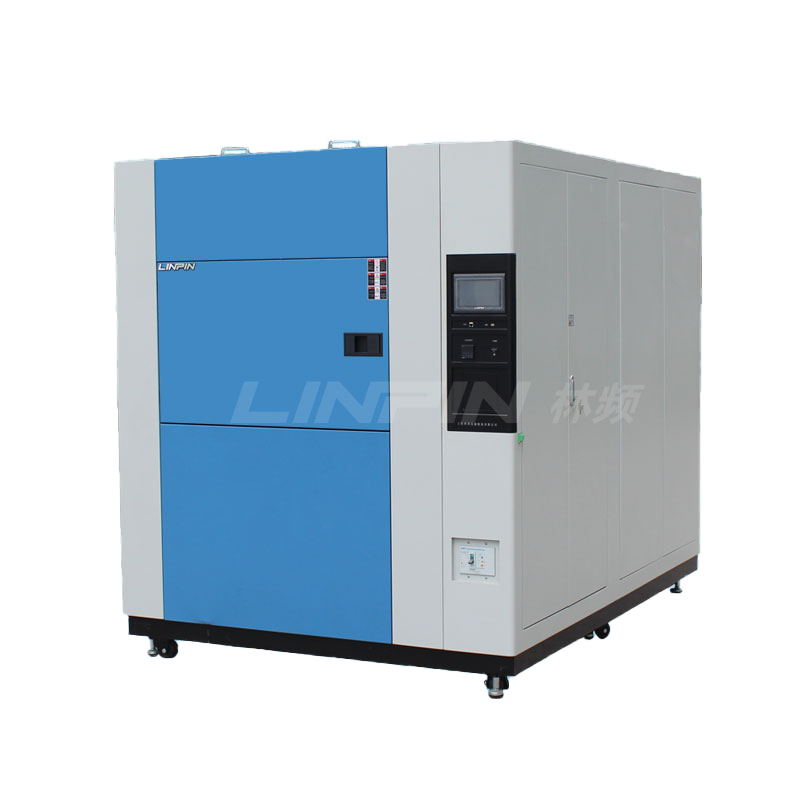
What is the purpose of the touchscreen temperature and humidity controller in a high-low temperature alternating humidity test chamber? What are the main functions of the temperature and humidity touchscreen controller?
Temperature and Humidity Control: This is the basic function of the controller. The device uses dynamic PID control, offering extremely high precision. It measures and adjusts temperature and humidity, with humidity control based on water vapor partial pressure.
Multi-Language Interface: To facilitate smooth operation for customers from different countries, the controller is equipped with a language switching interface, such as “Chinese-English switching,” and supports multiple languages.

Scheduling and Large-Capacity Program Presets: The controller allows users to schedule the start time of the high-low temperature alternating humidity test chamber in advance. Additionally, it has a large program capacity, with each program supporting up to 99 segments. Programs can be linked in series, and internal settings allow for full or partial cycles. This enables the creation of complex and diverse test programs to meet different testing requirements.
Data Storage via Computer: The temperature and humidity controller is equipped with interfaces such as RS232, RS485, and USB, allowing it to connect to a computer. Data can be stored and managed through these interfaces in various ways.
Intelligent Safety Protection Functions:
Interruption Management Protection: If the device is interrupted during a test, this function ensures the continuity of the test. The test can resume from the point of interruption without the need for reprogramming; simply restart the power supply.
Specimen Protection: If an air component breaks down, the temperature may rise uncontrollably, potentially damaging the specimen. For high-value specimens, this could result in significant losses. The controller’s protection function automatically cuts off the main power supply when the measured temperature exceeds the set temperature by 5°C, locking the temperature to protect the specimen.
Fault Display via Graphics and Text: If the device experiences issues such as water shortage, overvoltage, or overcurrent, the controller’s display screen will emit an alarm sound and pop up a prompt box, allowing users to address the issue accordingly.
Segmented Sensor Calibration: The controller allows for separate calibration of sensors for high, medium, and low temperature ranges. This makes calibration more convenient and prevents interference between different segments.


25.03







Copyright © 2025 Shanghai Linpin Instrument Co., Ltd Copyright
| ICP Number:Shanghai ICP Record No. 12029585-7
| Sitemap






 EN
EN
 中文
中文 Pусский
 Tiếng Việt
 ภาษาไทย
 پاکستانی زبان