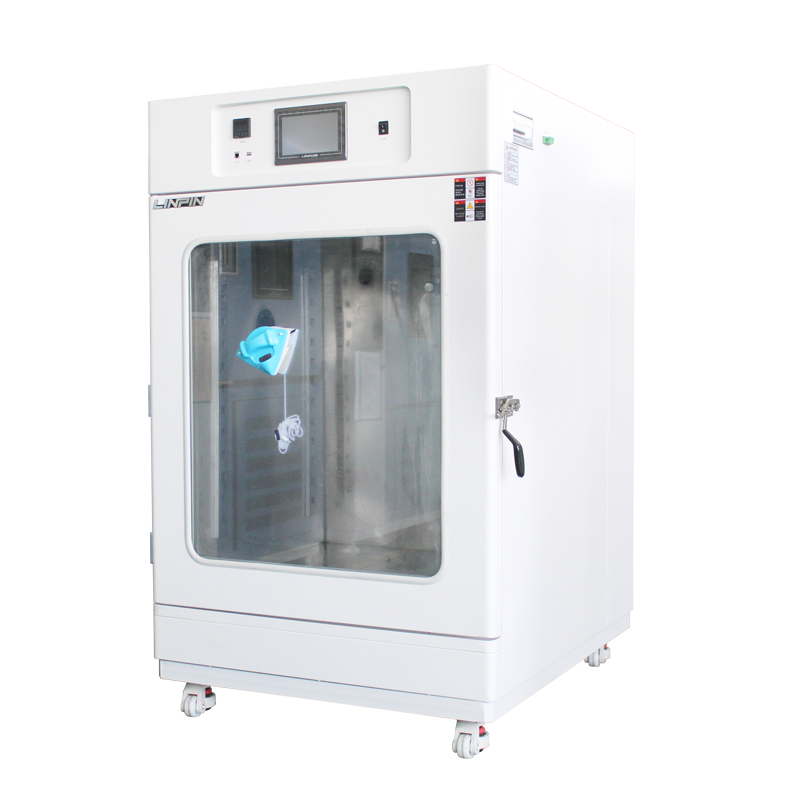
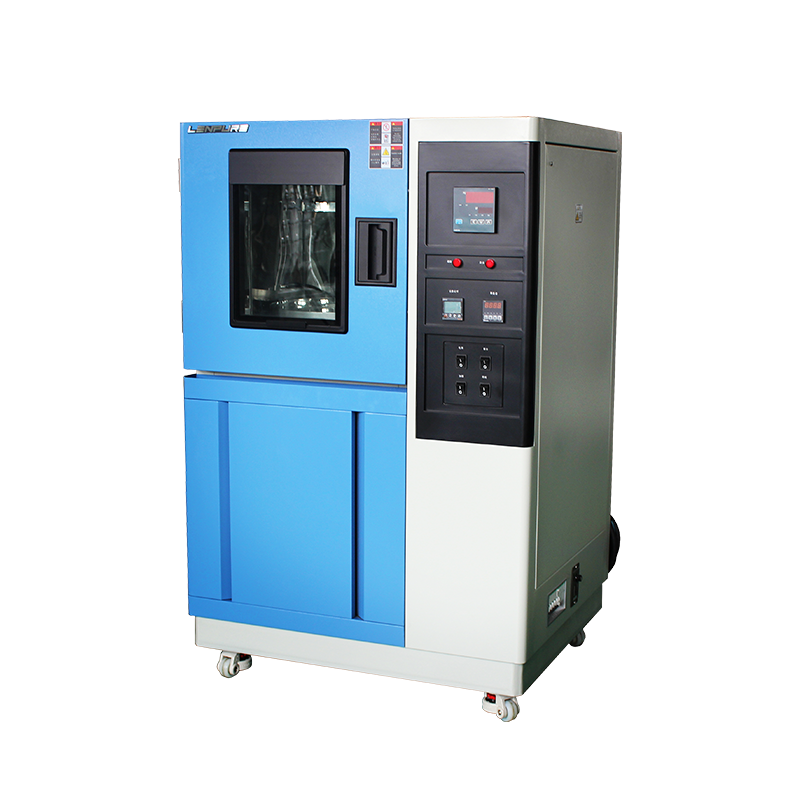
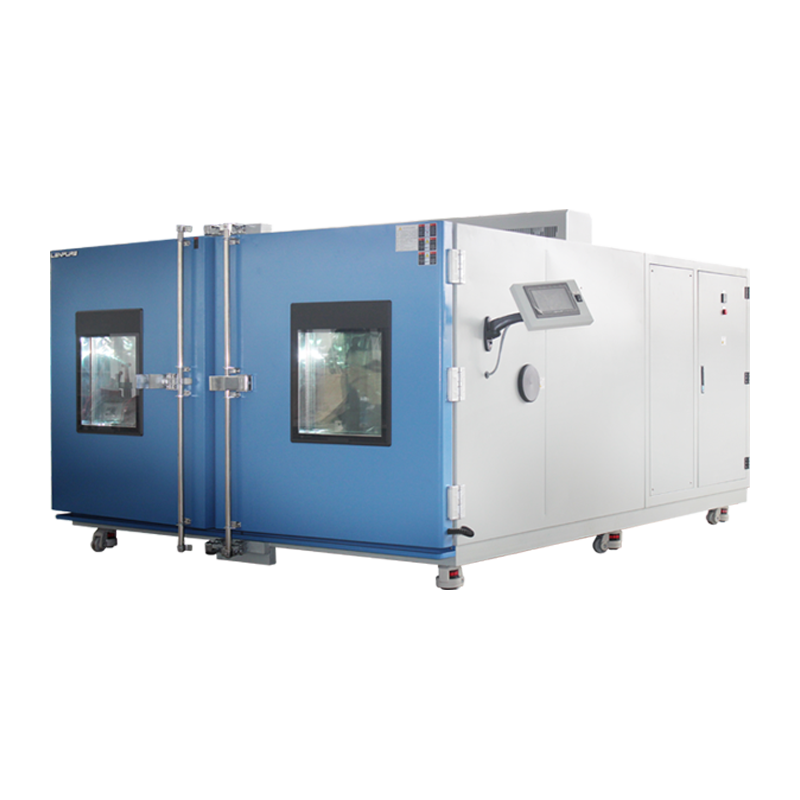
As a large, high-precision environmental simulation testing instrument, the salt spray test chamber requires careful attention during installation to ensure its proper operation and accurate testing. Today, we will introduce some important installation knowledge for this equipment.
The equipment should be installed in an open, flat, well-ventilated, clean area without direct sunlight. It should not be placed too close to other instruments or equipment to avoid mutual interference. Additionally, there should be no clutter, especially flammable or explosive materials, in the surrounding area to prevent accidents. The back of the equipment should be at least 50 centimeters away from the wall to allow space for heat dissipation, maintenance, and water refilling.

PVC materials should be used for the drain pipe and exhaust pipe. The drain pipe should be positioned lower than the water outlet to ensure smooth drainage and prevent backflow. The exhaust pipe should generally lead outdoors, with the end connected to the machine higher than the outdoor end to prevent backflow damage to the equipment. However, it is best to have a mist recovery device to avoid directly releasing it into the atmosphere and polluting the environment. The exhaust or drain outlets should be sealed at the connection points with the pipes to prevent water or gas leakage.
The power supply for the salt spray test chamber should match the voltage specified by the manufacturer, and a leakage protection device should be installed.
When adding water to the saturation barrel, sealing tank, or heating water tank, only purified or distilled water free of impurities should be used. This prevents long-term accumulation of impurities, which could clog the equipment or affect test results.
The air compressor is a crucial part of the salt spray test chamber, as the equipment cannot spray properly without it. Sometimes, an air supply pipe is used to provide the air source. The air supply device is also prone to issues, so quick-connect fittings should be used during installation to facilitate maintenance and disassembly. The air pressure during testing should not be less than 3 kilograms, and a continuous air supply must be ensured throughout the test without interruption.
The above are the key points to pay special attention to during the installation of a salt spray test chamber. Proper installation according to the correct methods can save a lot of trouble during later use, making installation a critical step that requires special attention.










Copyright © 2025 Shanghai Linpin Instrument Co., Ltd Copyright
| ICP Number:Shanghai ICP Record No. 12029585-7
| Sitemap






 EN
EN
 中文
中文 Pусский
 Tiếng Việt
 ภาษาไทย
 پاکستانی زبان