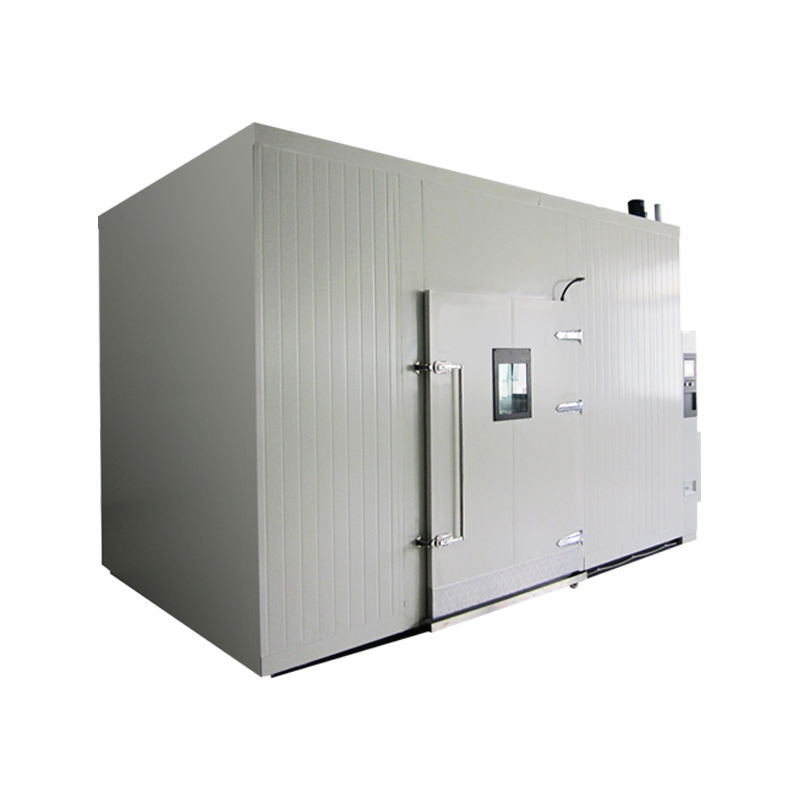
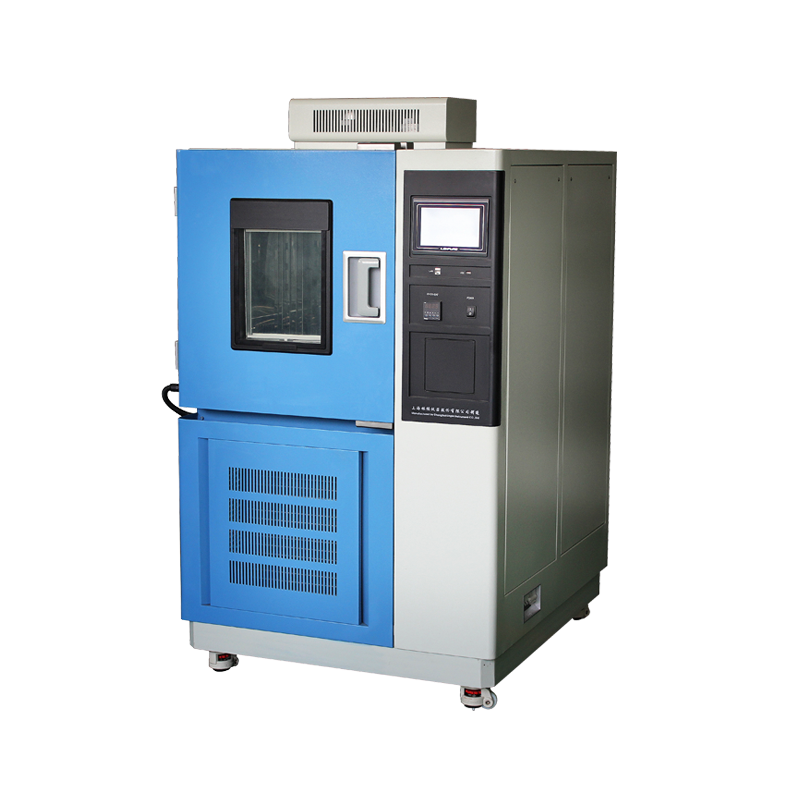
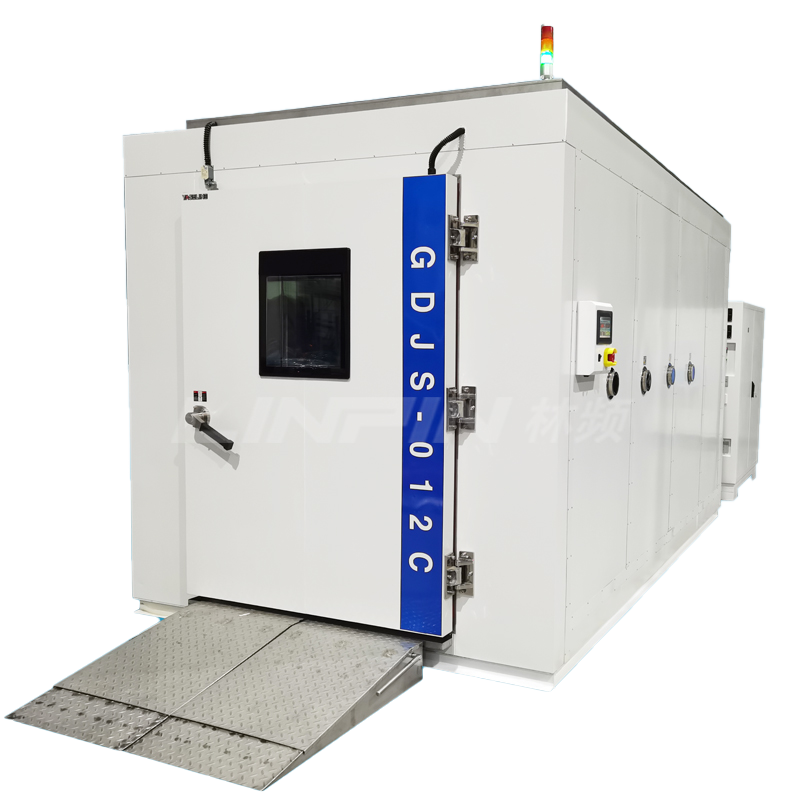
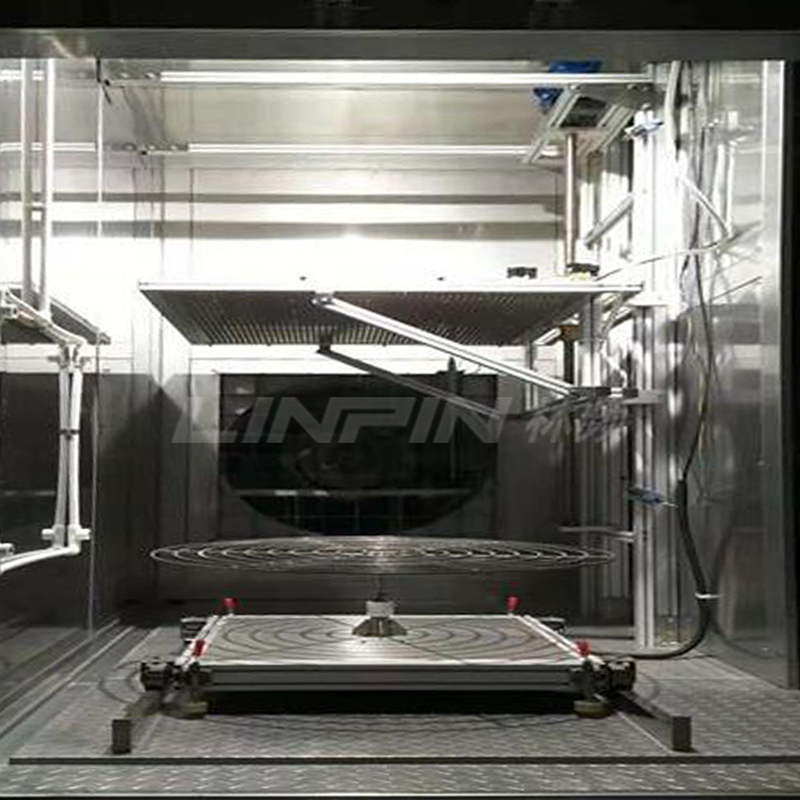
When conducting tests with a sand and dust test chamber, there are primarily three processes involved. Some clients may not be familiar with these processes during initial consultations. Today, we will introduce these three processes and their corresponding temperature and humidity requirements.
The sand and dust test chamber simulates natural sand and dust climates. The test mainly consists of three processes: blowing dust, blowing sand, and dust settlement.

Blowing Dust: This process is used to test the performance and parameters of objects under the influence of blowing dust.
Blowing Sand: This process is used to evaluate the performance of objects under the impact of blowing sand (150–850 microns). During this process, the relative humidity should be maintained at no more than 30%, and the test temperature is determined based on the response of the sample temperature during high-temperature testing, reflecting either the storage or operational high temperature.
Dust Settlement: This process is used to examine the effects of long-term dust accumulation in environments without air movement, such as enclosed or covered spaces, on the test samples. It can also assess the impact of dust accumulation on the heat dissipation of equipment surfaces. This test is suitable for verifying the quality of air filtration devices at the inlets of outdoor air pollution sampling equipment. The humidity requirement for this process is 23°C.
These are the temperature and humidity requirements for the three processes of the test chamber. During testing, it is essential to strictly adhere to these requirements to avoid errors in the results.
The sand and dust test chamber is now widely used in many fields and plays an increasingly important role in quality control. Particularly in the automotive industry, the test results of certain components must meet specific requirements before they can be applied in vehicles. The use of this equipment makes related work more efficient, allowing for rapid testing of components. During the early stages of product design, verification can be completed according to requirements, making it easier to identify issues later and select suitable materials.
That concludes today’s introduction to the sand and dust test chamber. For more details about the equipment, please visit the Linpin Instruments website.








Copyright © 2025 Shanghai Linpin Instrument Co., Ltd Copyright
| ICP Number:Shanghai ICP Record No. 12029585-7
| Sitemap






 EN
EN
 中文
中文 Pусский
 Tiếng Việt
 ภาษาไทย
 پاکستانی زبان