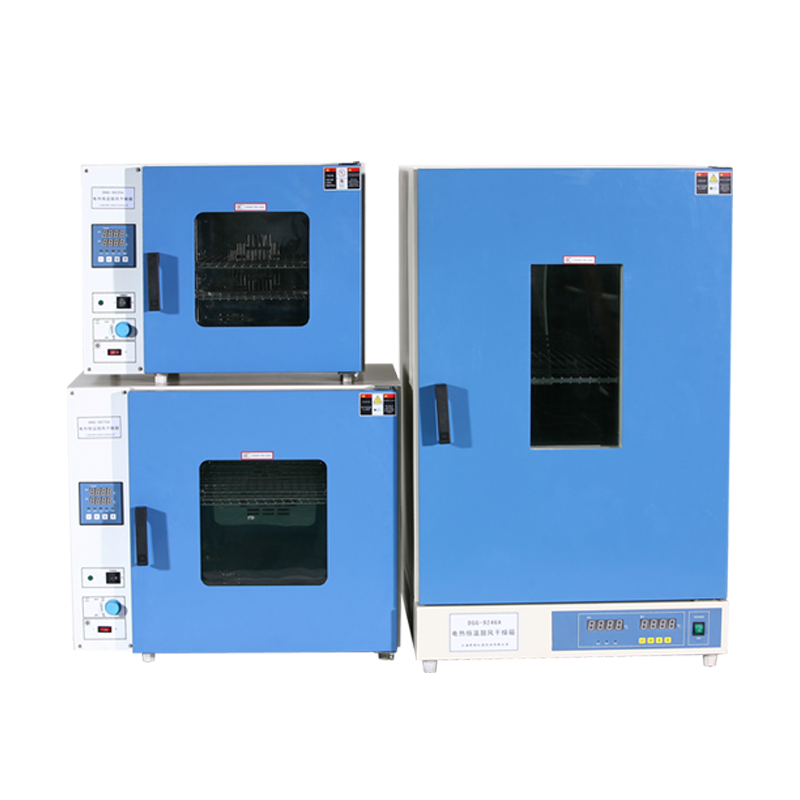
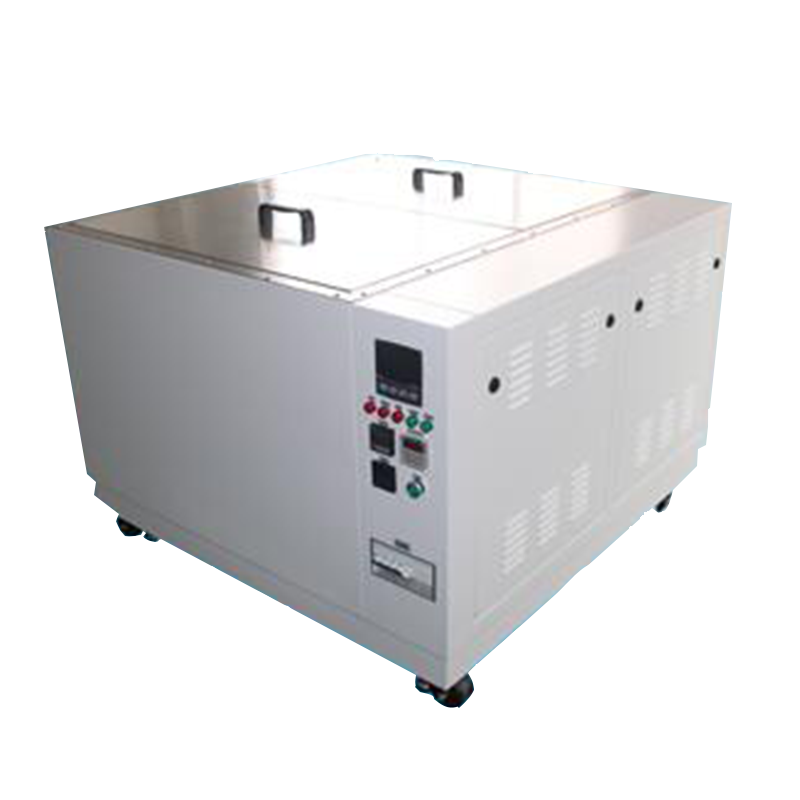
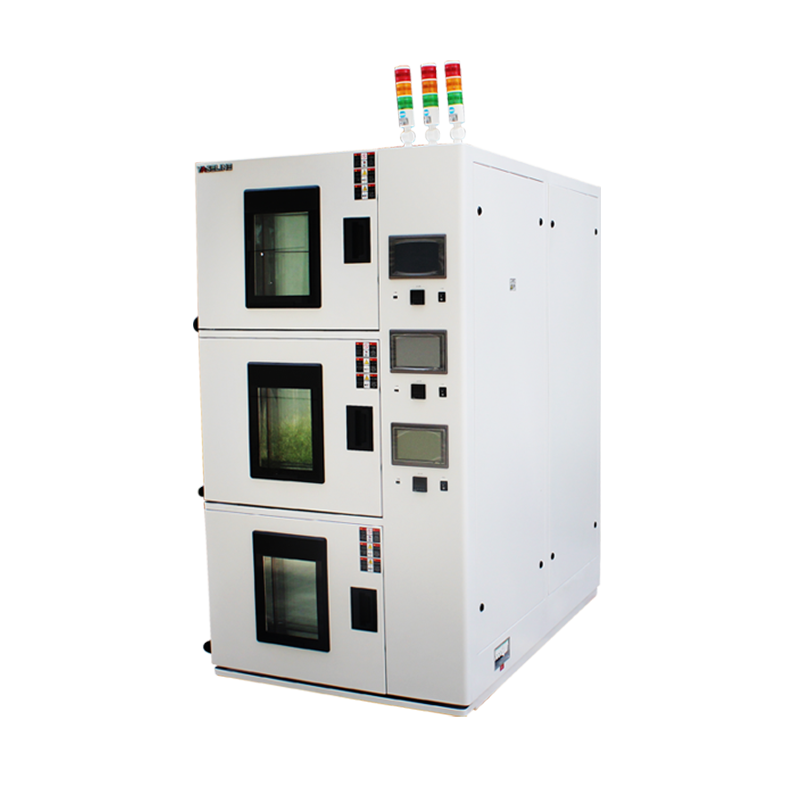
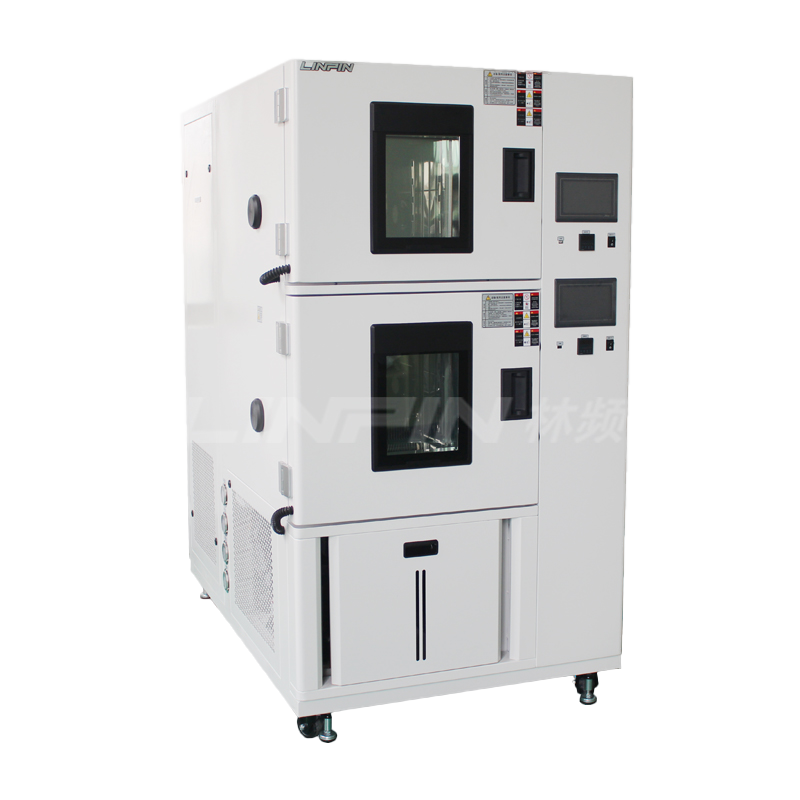
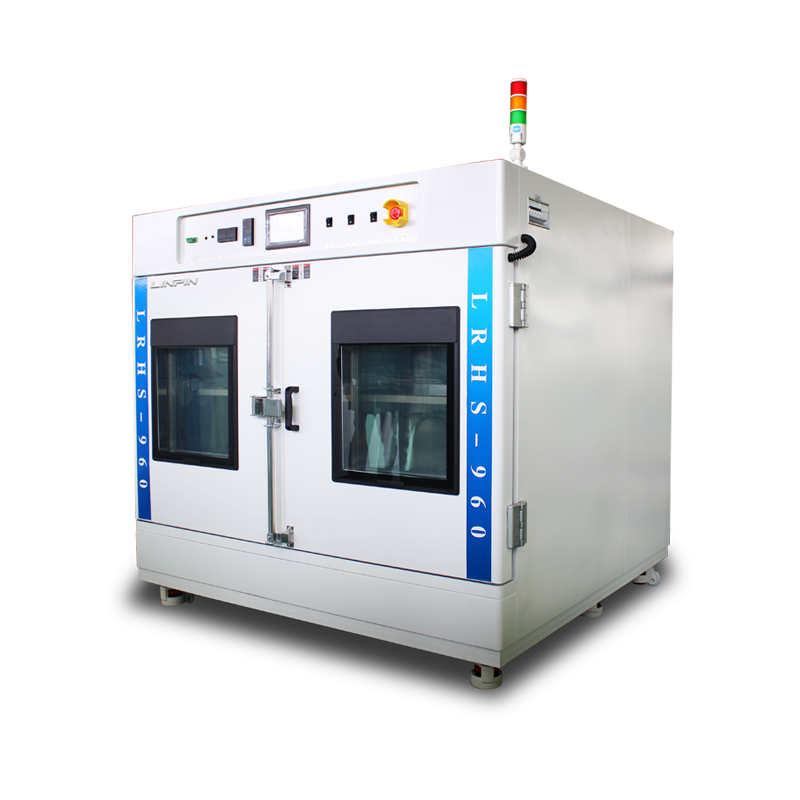
High-temperature test chambers are widely used in environmental testing industries. Below are the key structural characteristics of these devices:
1. Mobility & Observation
Equipped with 4 swivel casters (two with locking function) for easy movement and stability.
Features a multi-layer tempered glass observation window for real-time monitoring of test samples.
2. Chamber Construction
Stainless steel interior (chamber and accessories) ensures durability and extended service life.
Sealed chamber design maintains precise temperature control (±2% deviation, ±1°C fluctuation).
3. Safety Protection
Built-in safety alarms for:
Over-temperature protection
Fan motor overheating
Electrical leakage & short circuits
Automatic shutdown if temperature exceeds limits to prevent accidents.

4. Insulation System
High-density ultra-fine glass fiber insulation (12cm thickness) ensures:
Stable internal temperature
Minimal heat transfer to the exterior
Protection against external temperature interference
5. High-Temperature Sealing
Self-adhesive, high-tension silicone sealing strips withstand extreme heat while maintaining an airtight seal.
6. Air Circulation System
Long-shaft fan motor + stainless steel multi-blade impeller (resistant to high/low temperatures).
Ensures vertical convection airflow for uniform and stable temperature distribution.
7. External Wiring Access
Cable ports allow external power/signal connections.
Number of ports can be customized based on testing requirements.
8. Temperature Regulation
Dedicated air duct system includes:
Heating elements
Temperature inlet/outlet vents
Circulation fan
These structural features ensure precision, safety, and reliability in high-temperature testing. For more details, visit Linpin’s official website.
25.11








Copyright © 2025 Shanghai Linpin Instrument Co., Ltd Copyright
| ICP Number:Shanghai ICP Record No. 12029585-7
| Sitemap






 EN
EN
 中文
中文 Pусский
 Tiếng Việt
 ภาษาไทย
 پاکستانی زبان