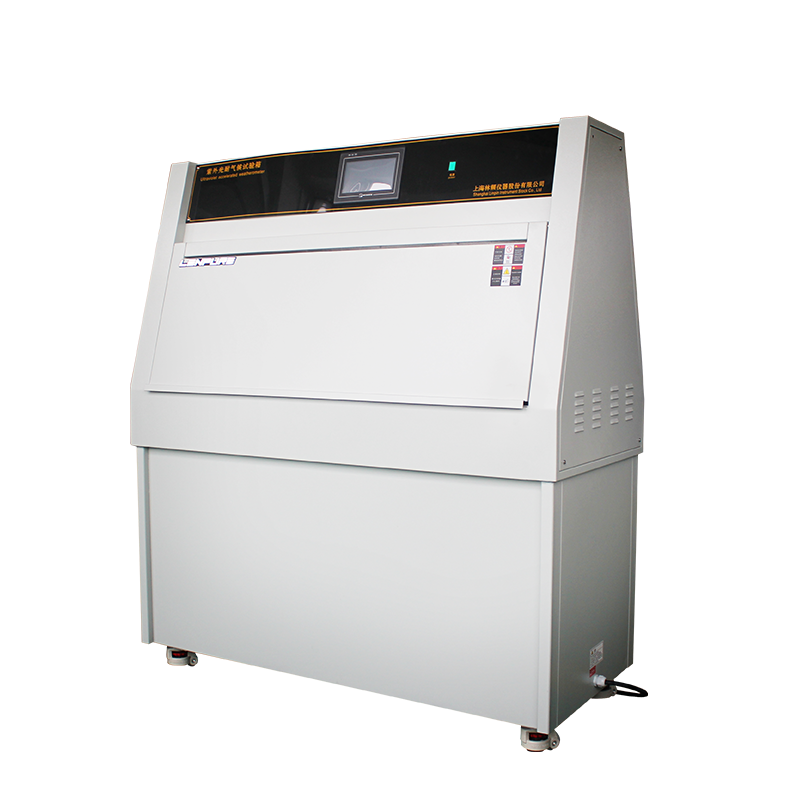
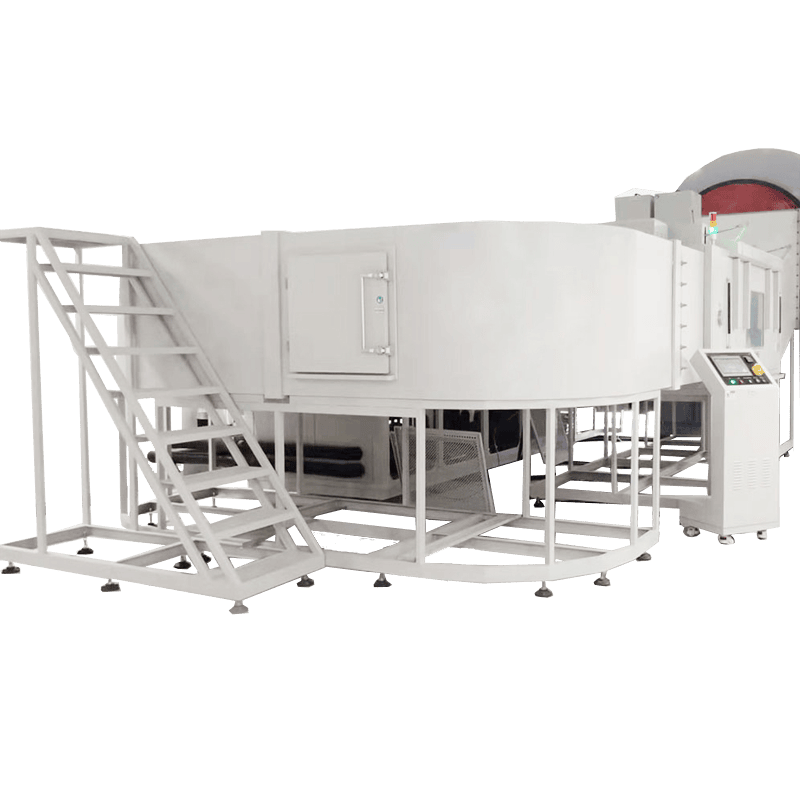
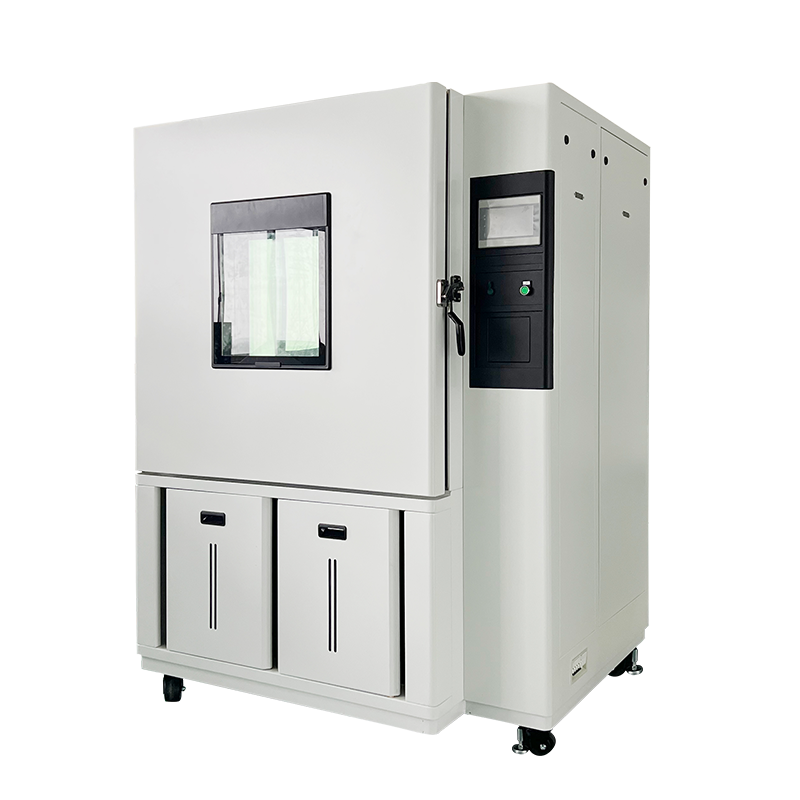
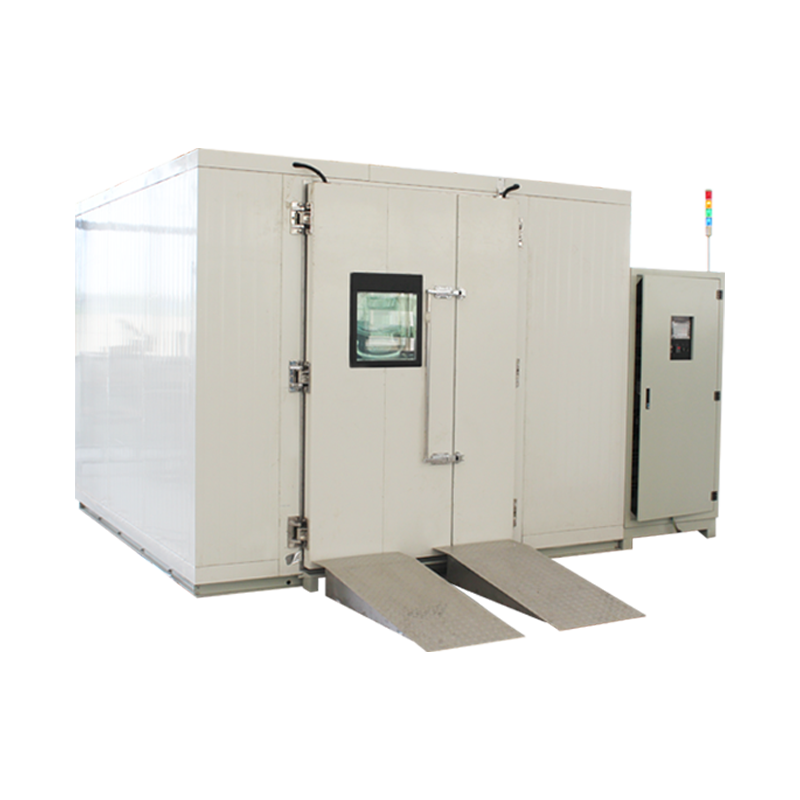
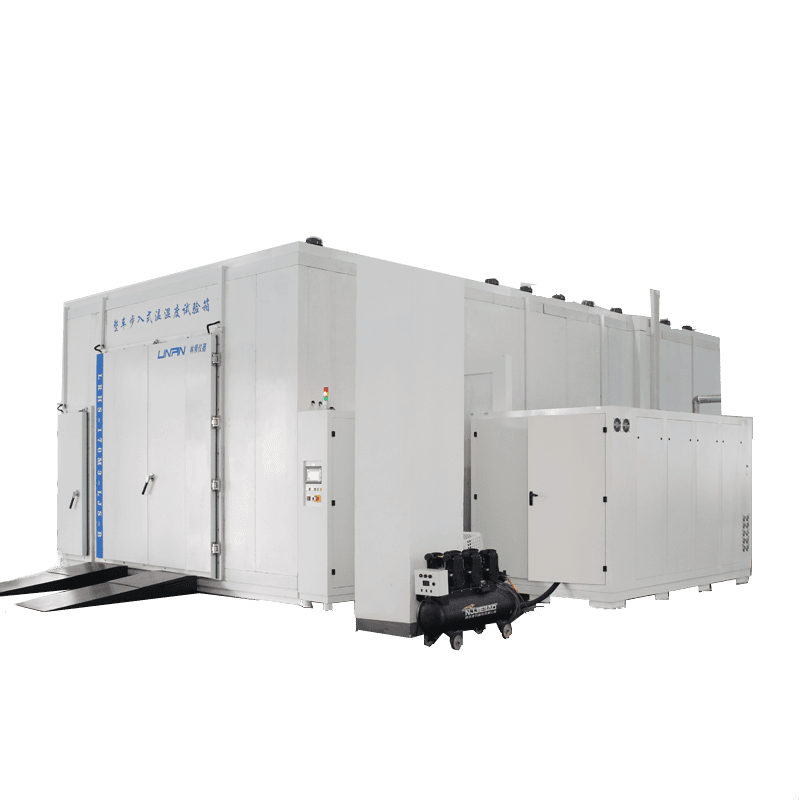
During operation, alarm triggers in high-low temperature test chambers represent normal responses of the equipment’s self-protection mechanism and do not necessarily indicate major malfunctions. When the monitoring system detects operational parameters deviating from safety thresholds, it immediately activates audible and visual alarms and executes shutdown protection to prevent equipment damage or test specimen loss. In response to different alarm signals, operators must master systematic troubleshooting methods to accurately locate the source of anomalies. The following provides an in-depth analysis of various alarm causes and disposal principles from the perspective of major functional modules.
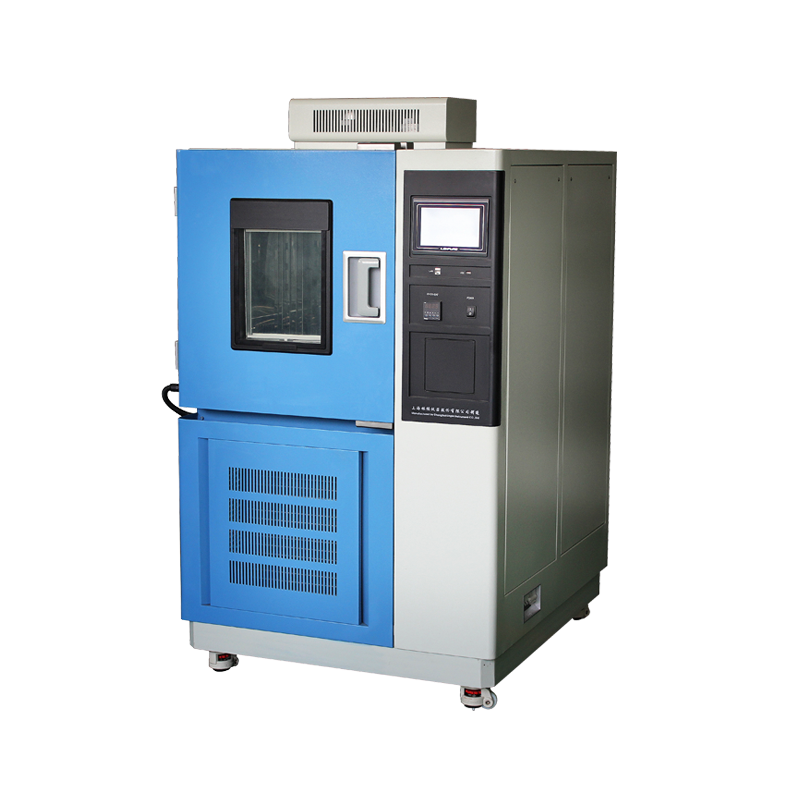
I. Alarm Mechanism of the Air Circulation System
The centrifugal fan, as the core power component of the high-low temperature test chamber, directly affects temperature uniformity within the chamber. Fan alarms typically manifest as over-temperature protection or over-current protection. Over-temperature alarms in fan motor windings often result from prolonged continuous operation causing winding insulation degradation, or bearing lubrication failure causing abnormal friction, which raises coil temperature continuously above 135°C (Class F insulation standard), triggering the temperature control switch. The equipment immediately cuts off fan power and alarms to prevent motor burnout. Over-current alarms stem from impeller jamming, blade deformation, or air duct blockage causing load surges. When operating current exceeds 1.2 times the rated value for over 5 seconds, thermal relays or electronic overload protectors activate. Additionally, low grid voltage (below 15% of rated voltage) can also cause abnormal current increase, triggering protective shutdown.
II. Multi-layer Protection of the Temperature Control System
Temperature system alarms involve both specimen safety protection and equipment self-protection. Specimen over-temperature protection alarms occur when the actual temperature in the specimen zone exceeds the controller’s preset protection threshold (typically 5-10°C above the set value), forcing the hardware protection circuit independent of the main control loop to cut off heater power. This design ensures specimen protection from overheating damage even if the main controller fails. Chamber over-temperature alarms result from coordinated monitoring at multiple temperature points inside the test chamber: over-temperature protectors are deployed in the specimen zone, airflow channels, and electrical control box, with additional over-temperature protectors on the control panel. When temperature at any monitoring point exceeds the upper limit set on the panel (generally 150°C), the bimetallic strip inside the protector deforms from heat, triggering a microswitch for hardware-level power-off protection. In such cases, the chamber must naturally cool down below 80°C before restart and reset.
III. Protective Alarms of the Refrigeration Compressor
Refrigeration system alarms cover both electrical safety and pressure safety categories. Compressor coil over-temperature alarms typically occur when discharge temperature exceeds 115°C or winding temperature reaches 125°C, causing built-in PTC thermistor resistance to increase sharply, which the control circuit identifies as an abnormal state. Power supply abnormality alarms address conditions such as voltage fluctuations exceeding ±10%, power phase loss, or three-phase imbalance exceeding 5%. Such electrical faults can instantly damage compressor motors, so the system is equipped with phase sequence relays and voltage monitoring modules for real-time monitoring. High-pressure alarms originate from refrigerant pressure exceeding 2.5 MPa (R404A refrigerant) or condenser heat dissipation failure, possibly caused by excessively high ambient temperature (over 35°C), dust accumulation on condenser fins, or cooling fan malfunction. The pressure switch then trips at 2.8 MPa, forcing shutdown. Cooling water pressure insufficient alarms are specific to water-cooled units. When circulating water pressure drops below 0.15 MPa or flow falls below 70% of rated value, the target flow switch signals to prevent compressor overheating from cooling failure.
IV. Safety Monitoring of the Power Supply System
External power quality directly affects equipment reliability. Power phase loss alarms detect vector sum and imbalance of three-phase voltage. When any phase voltage is missing or drops below 50% of rated value, the phase sequence protection relay acts within 0.5 seconds. Phase sequence error alarms address possible wiring sequence reversal after initial installation or grid modification. If the phase sequence doesn’t match compressor requirements (reversal would cause oil pump failure), the protector immediately locks the start circuit. Such alarms require professional electricians to verify phase and line voltage with multimeters, confirming correct L1-L2-L3 three-phase sequence before reset.
V. Standardized Alarm Response and Disposal Procedures
When an alarm sounds, operators should remain calm, first recording the alarm code and occurrence time, and query historical fault curves through the equipment HMI. Repeated reset attempts before identifying the cause are strictly prohibited, as they may intensify equipment damage. For on-site addressable anomalies such as duct blockage, dirty filters, or unopened cooling water valves, cleaning should be performed after power-off shutdown. Issues involving refrigerant leaks, compressor abnormal noise, or burnt electrical components must be referred to professional maintenance teams. In daily maintenance, temperature sensors should be calibrated quarterly, condensers cleaned monthly, and fan operating current checked weekly to ensure all protection devices remain in normal standby status. If alarms persist after systematic troubleshooting, or repetitive faults occur, timely communication with the equipment manufacturer’s technical department is required, providing complete operational data and alarm logs for remote diagnosis.
VI. Importance of Preventive Maintenance
Approximately 80% of alarm events can be avoided through standardized preventive maintenance. Establishing equipment operation files to record trends in key parameters enables early identification of potential risks. For example, slowly rising fan current indicates bearing wear, while extended compressor startup time suggests refrigerant deficiency. Developing annual maintenance plans including refrigerant recovery and recharge, lubricant replacement, electrical connection tightening, and control system software upgrades can significantly reduce alarm frequency and extend equipment service life. For critical test equipment in continuous operation, dual power supply and backup units are recommended to ensure data integrity and continuity.
The alarm system of high-low temperature test chambers is a critical defense line ensuring test safety and equipment integrity. Operators must not only understand the technical implications of various alarms but also strictly implement operational procedures, combining regular inspections with proactive maintenance. Only through these measures can equipment performance be maximized, providing reliable test environments for product R&D and quality control. When internal technical capabilities are insufficient to resolve complex faults, timely support from the original manufacturer should be sought to avoid greater losses from blind disposal. As a professional environmental test equipment manufacturer, we remain committed to providing customers with prompt and effective technical support, ensuring sustained stable operation of every equipment unit.










Copyright © 2025 Shanghai Linpin Instrument Co., Ltd Copyright
| ICP Number:Shanghai ICP Record No. 12029585-7
| Sitemap






 EN
EN
 中文
中文 Pусский
 Tiếng Việt
 ภาษาไทย
 پاکستانی زبان