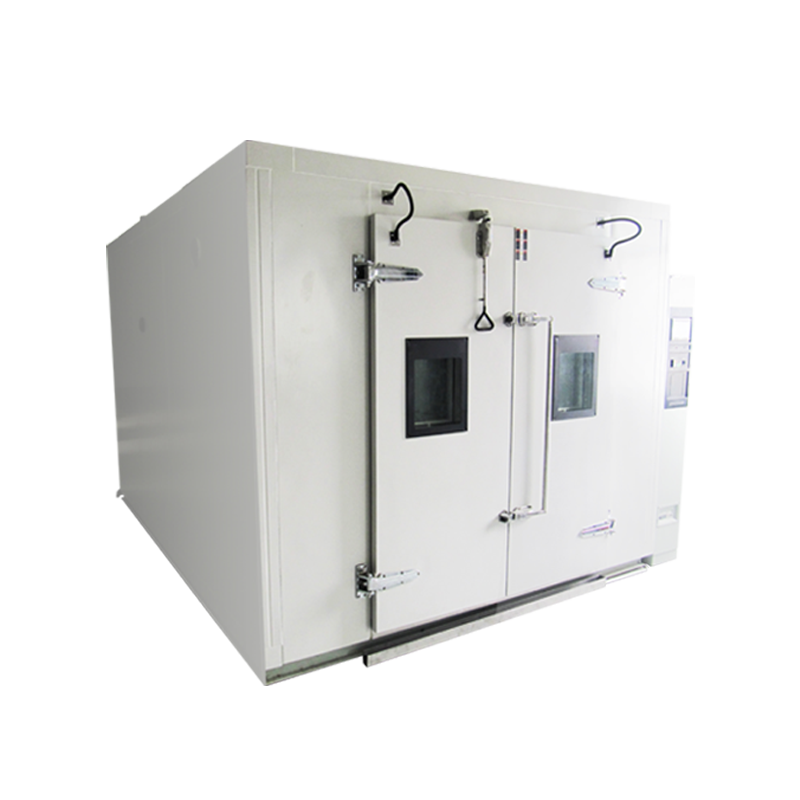
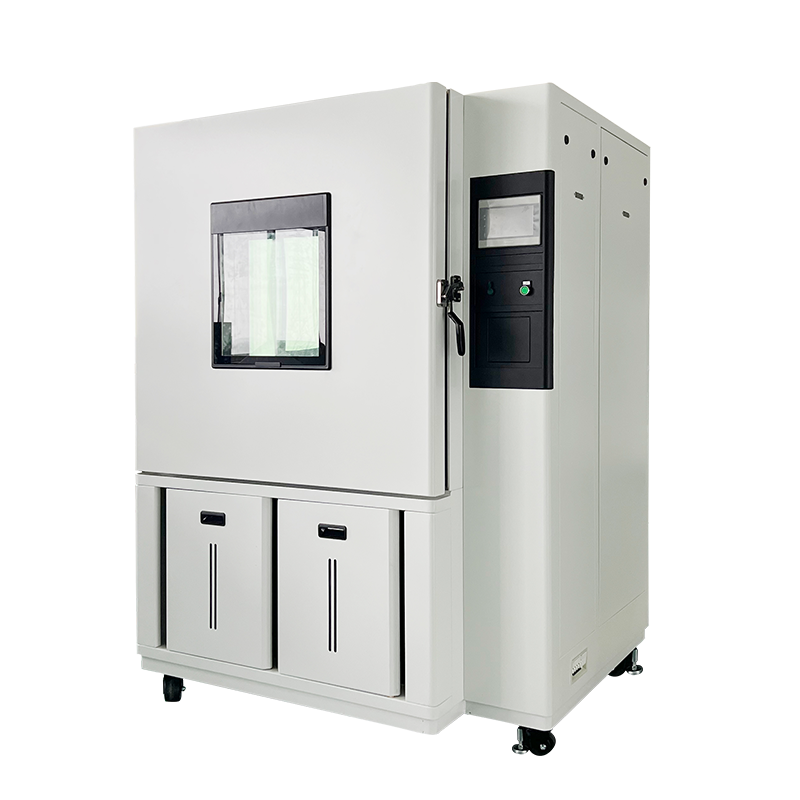
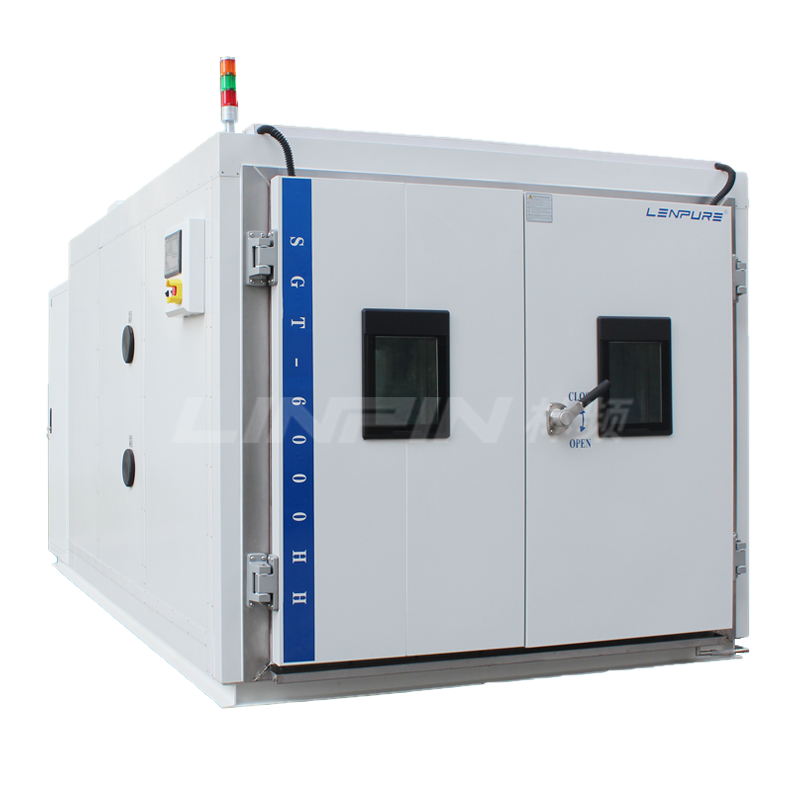
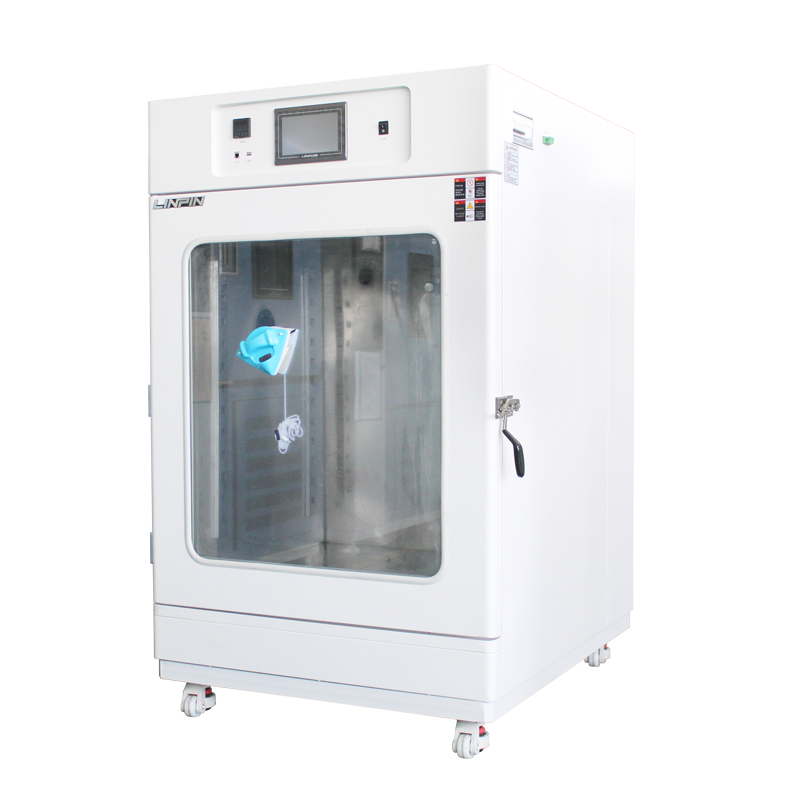
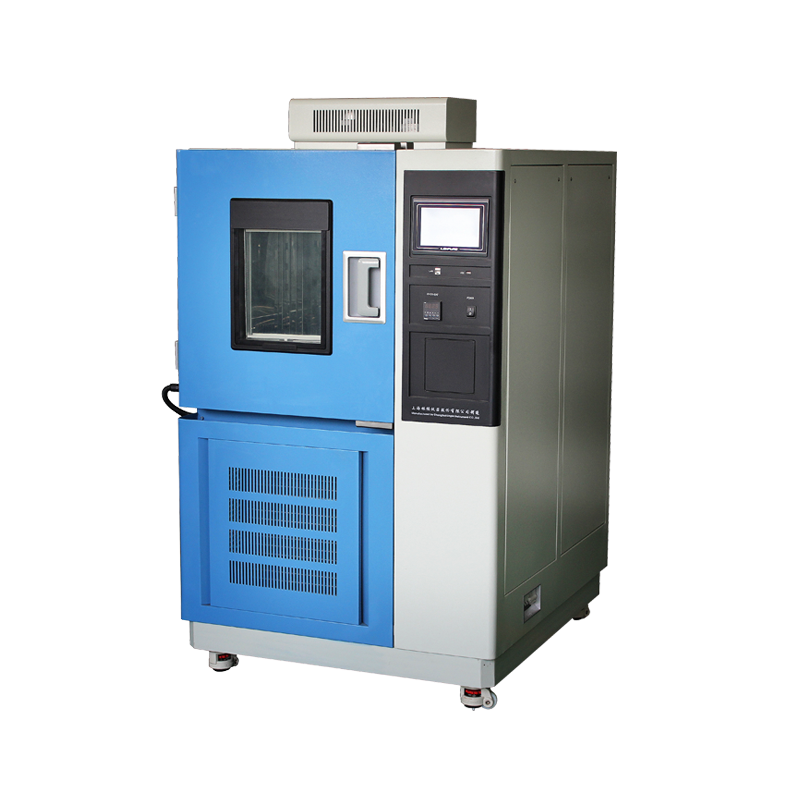
During the operation of constant temperature and humidity test chambers, malfunctions may occur due to improper operation or inadequate maintenance, affecting normal workflow progression. If operators learn some common troubleshooting methods, they can quickly identify root causes and perform repairs, thereby reducing delays caused by equipment failures. So, what are the common malfunctions, and how should they be addressed? This article provides a detailed explanation.
Humidity Display Anomalies
If the equipment displays abnormal humidity readings, inspect whether the humidifier pipeline is blocked by dirt or contains trapped air, causing poor water inflow or drainage. In such cases, clean the pipeline and purge the air. Examine the humidity system to check if the humidifier, solid-state relays, or other components are malfunctioning. The temperature of the over-temperature protector controlling the humidifier is generally set at 130°C; if this setting is too low, it may also cause humidification abnormalities.
Temperature Test Failures
When conducting temperature tests, the chamber may fail to reach the set temperature. For low-temperature failures, this may be due to inadequate drying of the working chamber before testing, or test specimens blocking the air outlet, resulting in poor air circulation. If these two causes are ruled out, the refrigeration system may be at fault. For high-temperature heating issues, inspect the adjustment baffles and motors of the air circulation system, or check whether the control instruments are malfunctioning.
Temperature Display Abnormalities
If temperature readings are abnormal, verify whether the over-temperature protector on the control panel is properly set to 150°C as required. Malfunctions in the circulation motor or solid-state relays in the temperature section may also be responsible, requiring adjustment or repair.
Pressure Alarm Abnormalities
Sometimes, despite normal operation, the chamber triggers a pressure alarm. This may occur because the ambient temperature around the equipment is too high—the optimal operating temperature range is 5°C to 35°C. During hot weather, it is recommended to use air conditioning to cool the indoor environment. Another possibility is poor heat dissipation; in this case, inspect whether heat dissipation areas are blocked and clear any obstructions promptly. Generally, heat dissipation components or areas should maintain sufficient clearance and be cleaned regularly.
Humidity and Heat System Failures
If the chamber experiences humidity and heat system failures, check whether the wet-bulb sensor’s water level is normal and whether the gauze is dry or hardened.








Copyright © 2025 Shanghai Linpin Instrument Co., Ltd Copyright
| ICP Number:Shanghai ICP Record No. 12029585-7
| Sitemap






 EN
EN
 中文
中文 Pусский
 Tiếng Việt
 ภาษาไทย
 پاکستانی زبان