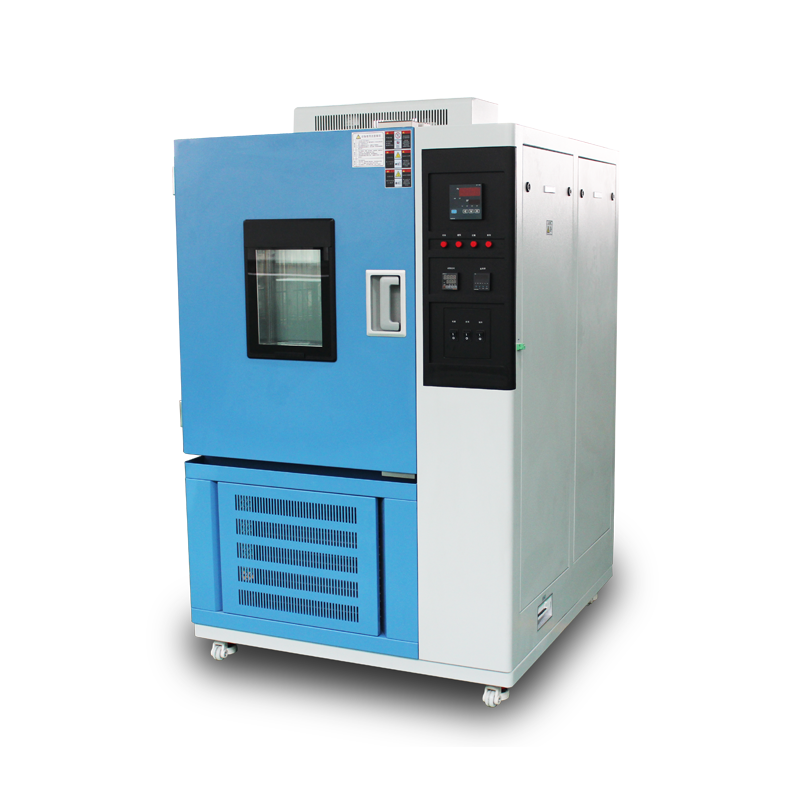
Correctly connecting the compressed air hose is fundamental for the normal operation of a temperature shock test chamber. This type of equipment requires compressed air to function, as the gas is needed to open the valves and create temperature shocks in the test area. Therefore, it is essential to use a compressed air hose. But how can you correctly connect the compressed air hose, and are there any tips to make it easier? In fact, the key is simply to follow the correct procedure.

First, staff should connect the external air source to the inlet of the pressure regulator on the test equipment. Trim the end of the air hose to ensure a clean cut, and then insert it into the quick connector. The input air pressure required by the temperature shock test chamber (usually around 3 to 5 kg) can be adjusted through the pressure regulator (the adjusted pressure should be around 2 kg). The pressure for the spray regulator should be set to around 1 kg. When adjusting the pressure regulator, staff should first lift the knob. Turning the knob clockwise increases the air pressure, while turning it counterclockwise decreases the air pressure. After adjusting the pressure, check the pressure gauge to ensure it meets the required level. If the pressure is correct, press the adjustment knob down to complete the pressure regulation. To disconnect the air hose, close the main inlet valve first, then quickly push the plastic part of the connector inward and pull the hose out swiftly.
Now that you have read the above introduction, do you understand how to connect the compressed air hose to a temperature shock test chamber? This operation is just a part of the routine equipment handling. Typically, after purchasing the equipment, the manufacturer’s technicians will be responsible for its installation and commissioning. However, it is still important for staff to be familiar with these daily operations to facilitate future maintenance of the equipment. Our company is a producer and supplier of environmental test equipment. We provide equipment and related services to a wide range of customers. For any questions about the equipment, you can call 400-066-2888 to consult us. We will offer corresponding solutions based on your needs. Our company has also established offices in various locations to provide timely technical services to customers.
25.03









Copyright © 2025 Shanghai Linpin Instrument Co., Ltd Copyright
| ICP Number:Shanghai ICP Record No. 12029585-7
| Sitemap






 EN
EN
 中文
中文 Pусский
 Tiếng Việt
 ภาษาไทย
 پاکستانی زبان