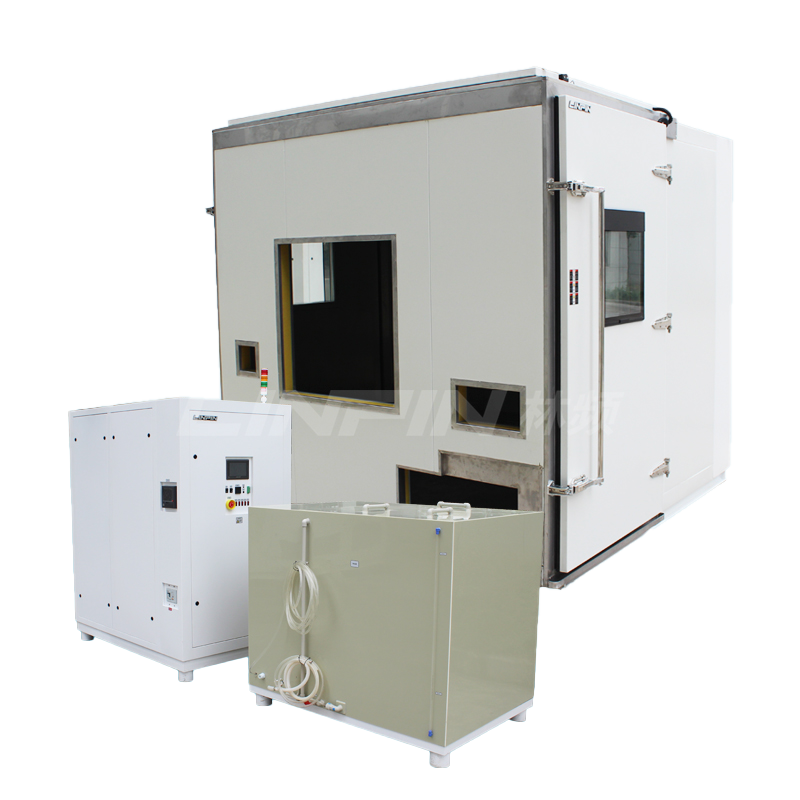
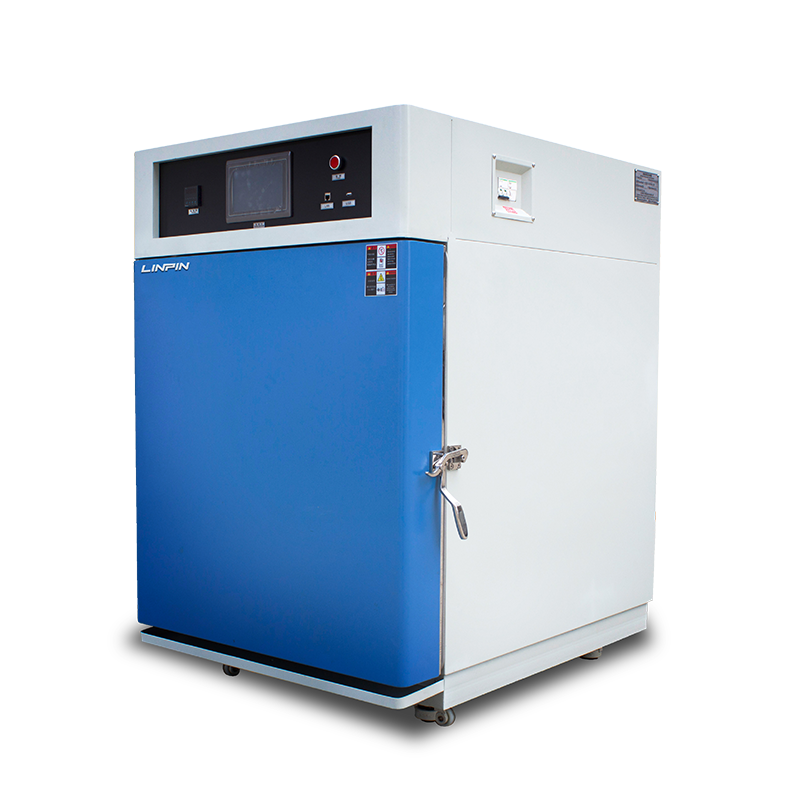
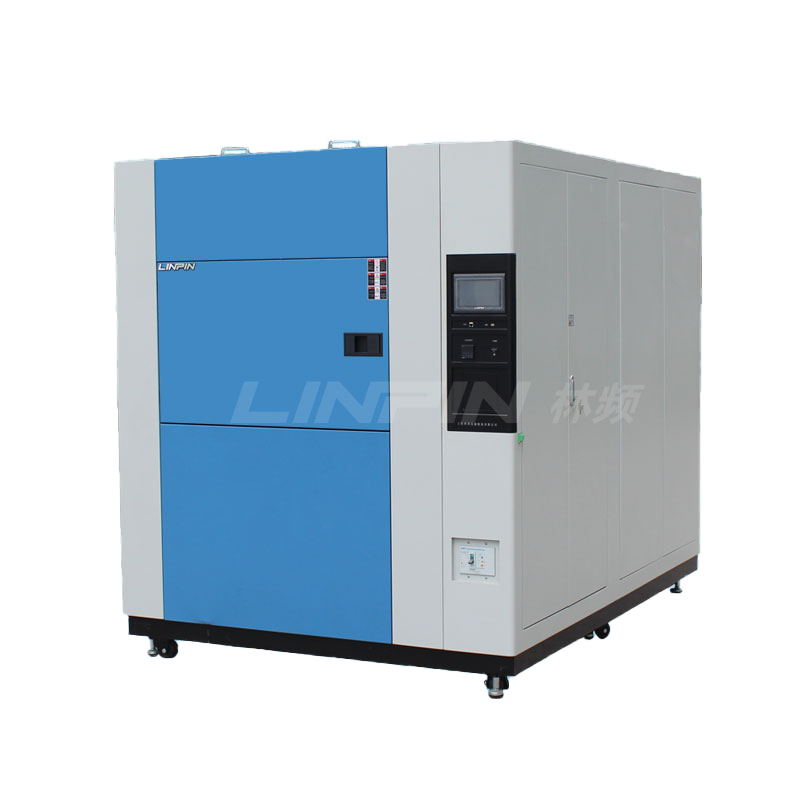
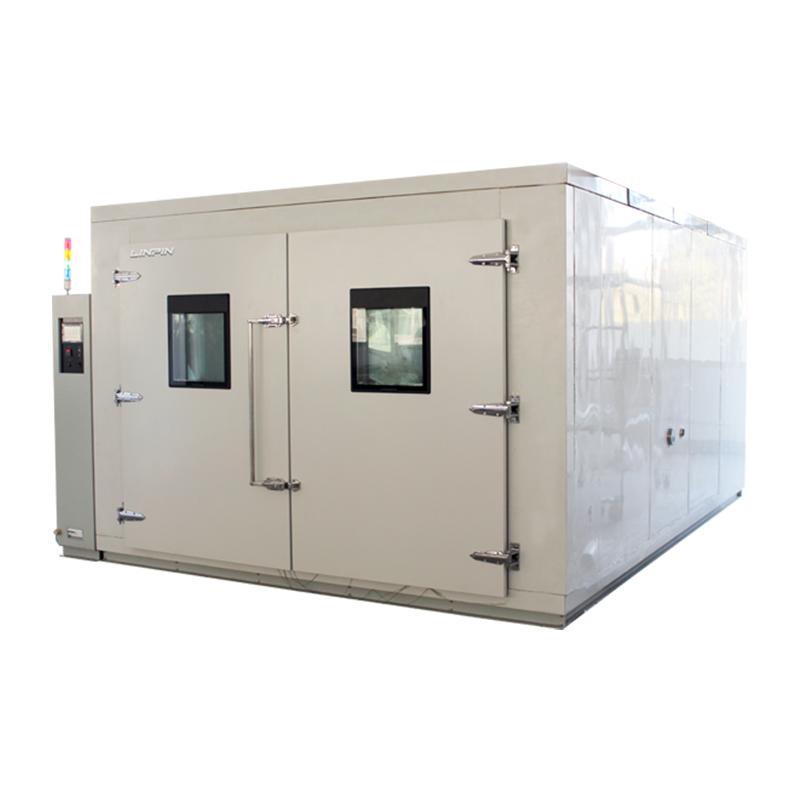
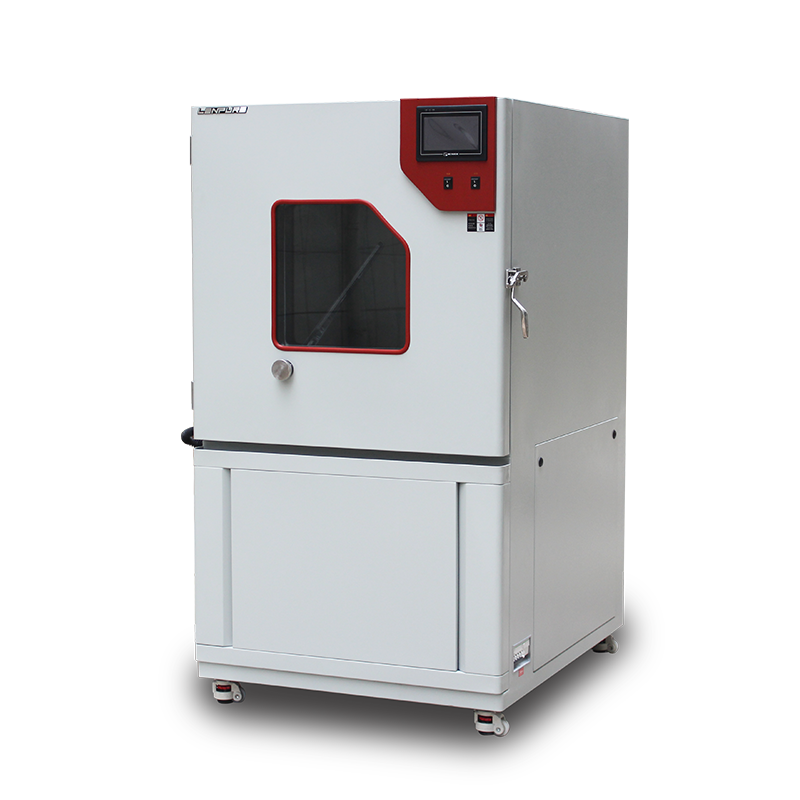
Analyzing the causes of equipment failures in high-temperature test chambers can help resolve issues more quickly. For example, if a test chamber leaks, failing to identify the cause promptly can affect the equipment’s operation. Today, we will analyze why high-temperature test chambers leak.
There are many reasons that may cause a high-temperature test chamber to leak: First, check whether the water tank of the test chamber is properly welded and whether it is damaged or has poor sealing. Next, inspect whether the water pipes are properly connected and their sealing condition. It could be that the water pipes have aged and burst, or it might be due to a control system malfunction.

When your high-temperature test chamber leaks, operators should not panic. Instead, carefully investigate the above potential causes and address them using the following methods: First, open the equipment’s cover panel to locate the source of the leak. Check the sealing condition of the water tank. If the sealing is poor, you can use silicone sealant to fix it or request the manufacturer to create a new water tank. Additionally, inspect the humidifier and water level box to see if there is a system malfunction. If so, the operator can manually reset it. If the water pipe is leaking or has burst, the operator needs to reseal and reconnect it. After addressing the leak, wipe away any water residue and clean the area to ensure all components are intact before resuming testing.
If the test chamber continues to leak after troubleshooting using the above methods, it is necessary to contact the manufacturer’s after-sales service for more precise fault detection and technical repair. Our company is a manufacturer of high-temperature test chamber equipment, offering a wide range of models. In addition to providing equipment, we also offer strong technical support to our customers. We look forward to collaborating with more clients to create benchmark projects and achieve mutual development.

25.04







Copyright © 2025 Shanghai Linpin Instrument Co., Ltd Copyright
| ICP Number:Shanghai ICP Record No. 12029585-7
| Sitemap






 EN
EN
 中文
中文 Pусский
 Tiếng Việt
 ภาษาไทย
 پاکستانی زبان