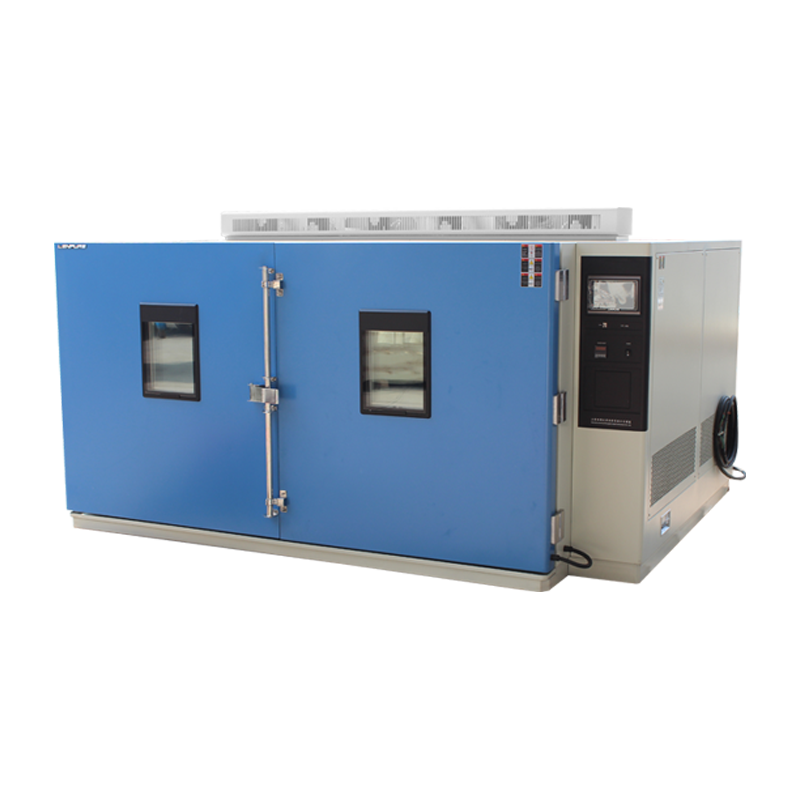
The salt spray testing chamber serves as a critical apparatus for assessing surface corrosion resistance across diverse materials, finding extensive applications in industrial sectors, research institutions, and academic organizations worldwide.
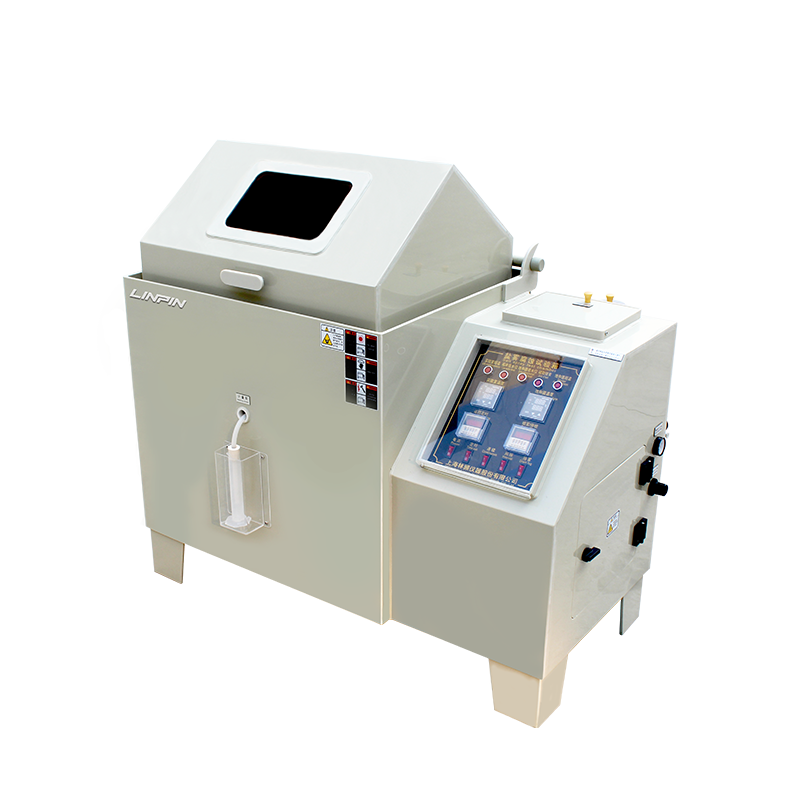
Designed specifically to evaluate salt spray corrosion endurance, this equipment generates test outcomes that directly determine product quality assessments. The precision of such determinations constitutes a fundamental basis for verifying corrosion resistance standards in manufactured goods.
What specific methodologies exist for result determination?
First, the rating judgment method categorizes the entire specimen surface into hierarchical grades, selecting one particular level as the qualifying criterion for test acceptance.
Second, the gravimetric determination method calculates corrosion effects through precise pre- and post-test weighing procedures, enabling quantitative assessment of both corrosion damage magnitude and corrosion resistance quality.
Third, the corrosion appearance judgment method evaluates test completion based on observable corrosion phenomena manifested on specimen surfaces. This approach represents the most prevalent and widely adopted evaluation technique in practical applications.
Fourth, the corrosion data statistical analysis method determines product corrosion data reliability through comprehensive test data analysis. This methodology typically serves analytical and statistical purposes rather than direct quality determination functions.
Beyond these determination methods, salt spray testing chamber operations require systematic attention to minimizing potential systematic errors. Several commonly employed error reduction techniques are presented below, though specific circumstances necessitate case-by-case analysis without rigid methodological adherence.
Instrument calibration through authorized metrological departments to obtain correction values.
Substitution of results with known standard quantities under identical experimental conditions to reduce systematic error magnitudes.
Averaging of errors exhibiting opposite signs across different test conditions in dual experimental procedures.
The aforementioned techniques for result determination and error reduction in salt spray testing chamber applications aim to achieve experimental outcomes that closely align with actual requirements. Are these concepts now clearly understood?








Copyright © 2025 Shanghai Linpin Instrument Co., Ltd Copyright
| ICP Number:Shanghai ICP Record No. 12029585-7
| Sitemap







 EN
EN
 中文
中文 Pусский
 Tiếng Việt
 ภาษาไทย
 پاکستانی زبان