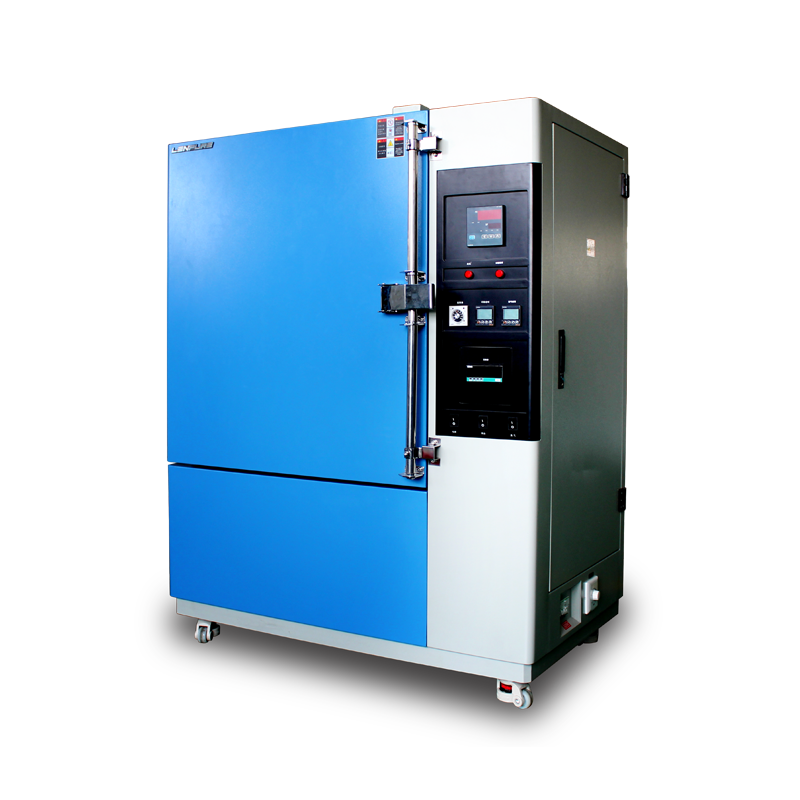
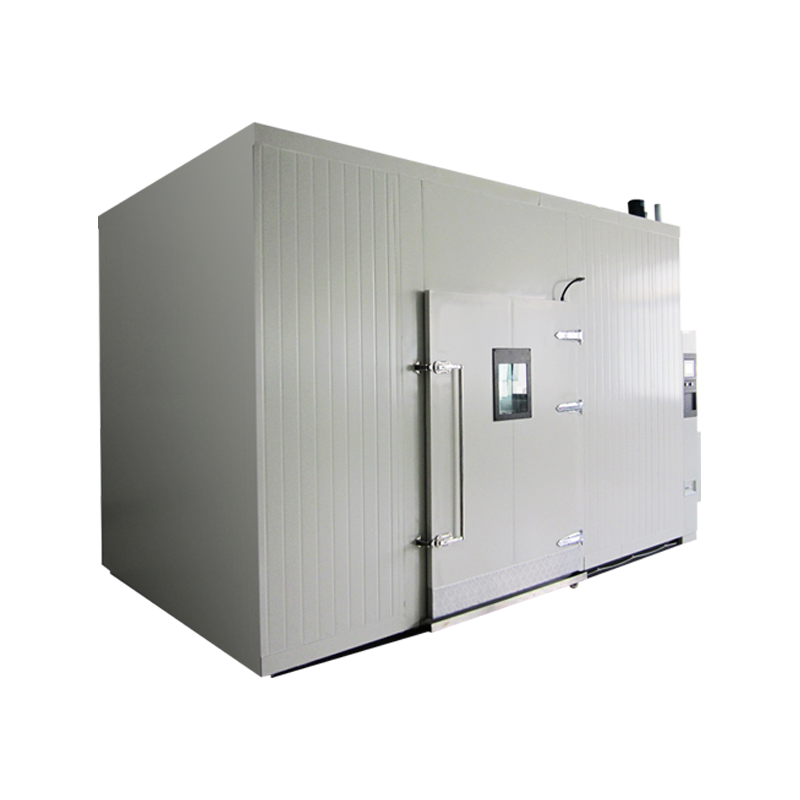
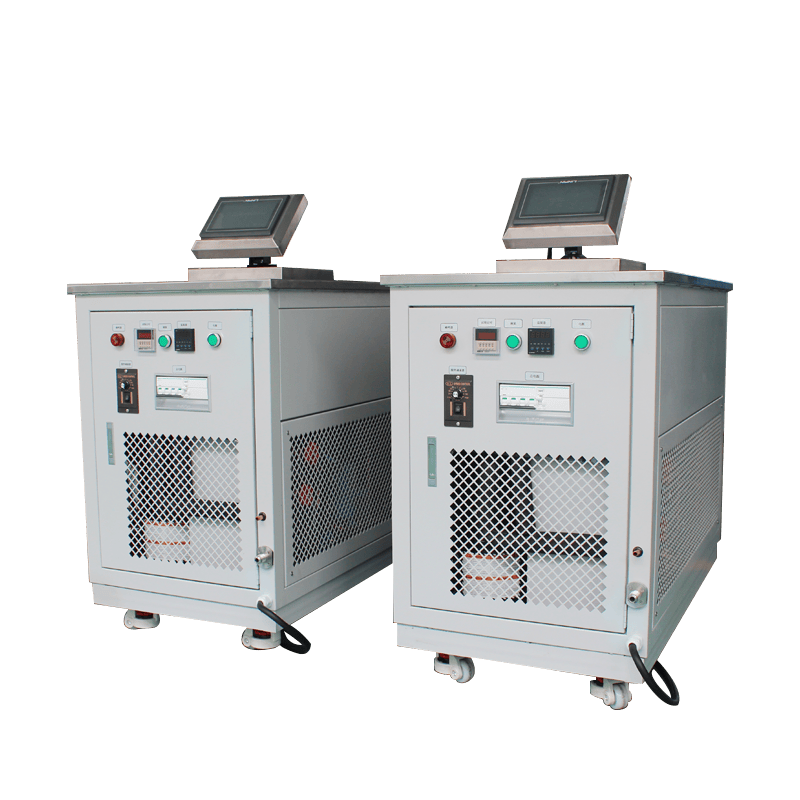
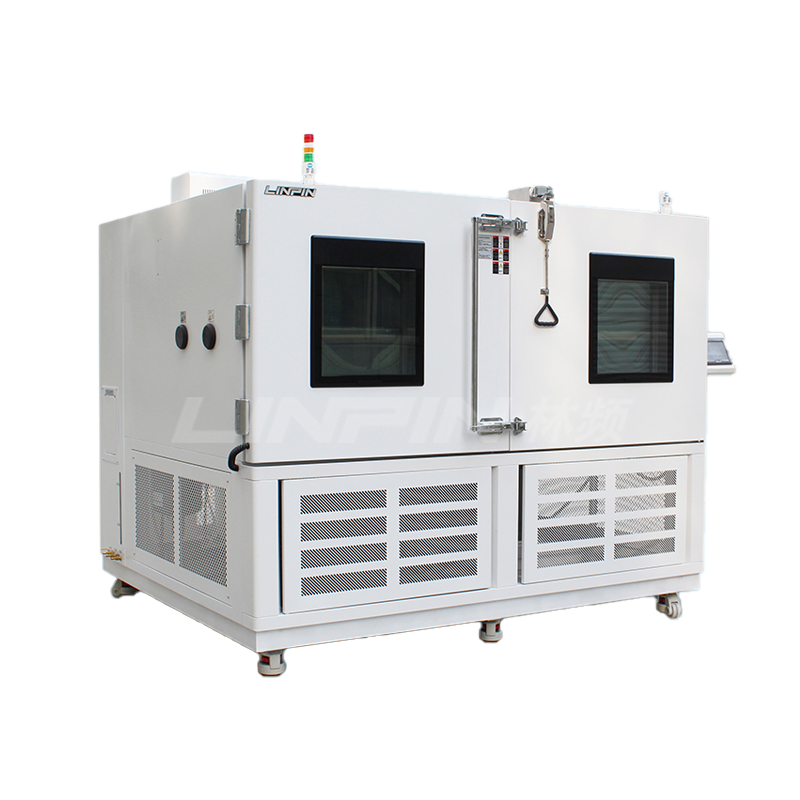
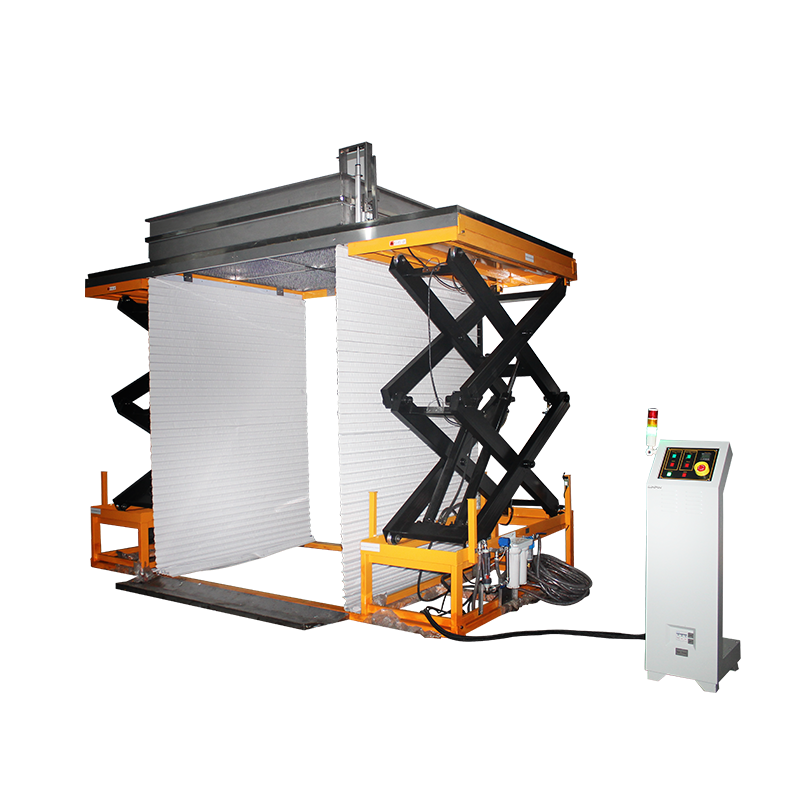
After purchasing a high-temperature test chamber, how can you evaluate its performance? Here are three methods to inspect the equipment’s quality, shared below.
Inspection via Equipment Drawings
A high-temperature test chamber must be designed based on specific principles. Have the relevant data in the design been verified? Are the processes in the equipment drawings aligned with the customer’s requirements? Although this method is theoretical, some issues can still be identified by verifying the data in the drawings. Therefore, reviewing the drawings is a viable way to troubleshoot potential problems.

Inspection Without Test Specimens
Users can evaluate the equipment’s performance by conducting tests without placing any specimens inside. Start the device and run the test while recording relevant data and observing its operation. Since no actual specimens are used, the test results may not be entirely accurate, but this remains one of the methods to assess the equipment’s performance.
Inspection With Test Specimens
This involves using the test chamber normally by placing specimens inside and following standard testing procedures. Monitor the equipment’s condition and performance changes during the test while recording data. This method is straightforward and relatively accurate. During testing, operators must strictly adhere to the user manual to ensure correct operation and avoid improper handling that could affect performance.
The above are the three methods for inspecting the performance of a high-temperature test chamber. Typically, manufacturers conduct inspections and calibrations before the equipment leaves the factory. By reading this article, users can also learn about these methods. If customers still have concerns, they may seek inspection from other professional institutions. If the equipment’s performance is found to be subpar, they can contact the manufacturer’s sales team to address the issue.









Copyright © 2025 Shanghai Linpin Instrument Co., Ltd Copyright
| ICP Number:Shanghai ICP Record No. 12029585-7
| Sitemap






 EN
EN
 中文
中文 Pусский
 Tiếng Việt
 ภาษาไทย
 پاکستانی زبان