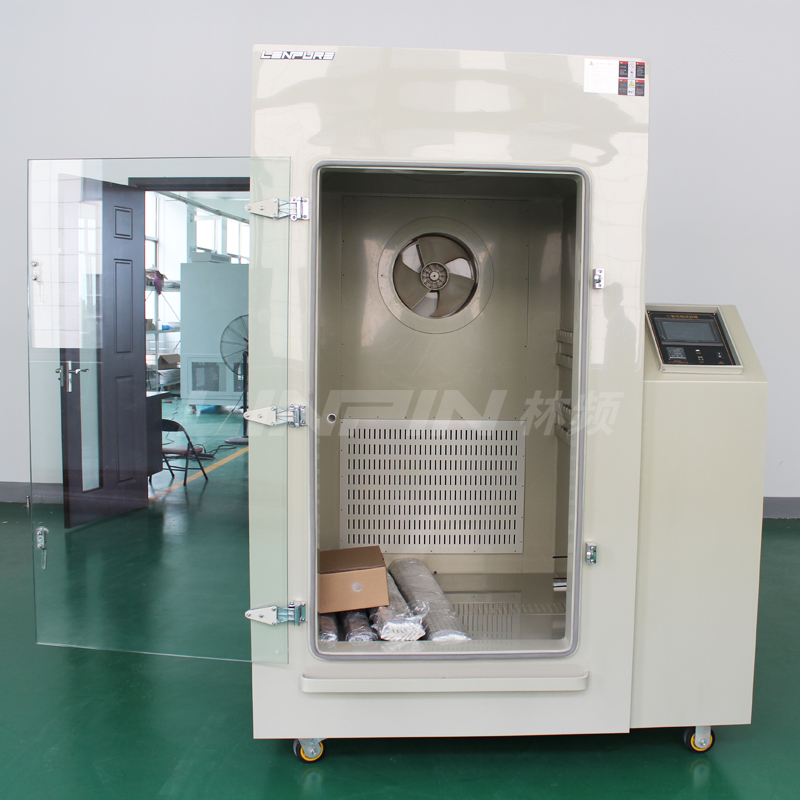
Previously, we discussed several factors that affect the test results of high and low temperature alternating test chambers. One critical factor is the sealing performance of the equipment, as poor sealing can lead to the following issues:
Failure to Reach Boundary Limits in Humidity Tests
When conducting humidity tests, the chamber may not achieve the required boundary values if the sealing is inadequate.
Reduced Cooling Rate
Poor sealing can cause the cooling rate of the equipment to slow down.
Frost Formation on the Evaporator
Insufficient sealing may lead to frost buildup on the evaporator, preventing the chamber from reaching the designated low temperatures.
Water Leakage and Increased Water Consumption in High-Temperature, High-Humidity Tests
During high-temperature and high-humidity tests, water may drip from the chamber, leading to higher water consumption.

The consequences of these issues ultimately compromise the accuracy of the test results. If the test results are unreliable, the equipment loses its purpose. Therefore, sealing is crucial for the performance of the test chamber.
To ensure proper sealing, we can take the following measures:
Before use, check the sealing by placing a 2–3 cm strip of paper at the door seal, closing the door, and then pulling the strip out. The more force required to remove the strip, the better the sealing.
All cable ports (for test wires, power cords, etc.) must be sealed with silicone plugs, and their tightness should be verified.
Before testing, ensure that no power or test cables are routed through the door opening.
Inspect the door seal for any foreign objects and clean them if present.
During testing, the door must remain closed to prevent air leakage.
These methods help maintain optimal sealing in the test chamber, preventing leaks. Additionally, regular maintenance should include inspecting the door seals. If they become loose or deteriorate over time, they should be repaired or replaced promptly.
The above discussion highlights the significance of sealing for high and low temperature alternating test chambers. For more information about the equipment, you may visit the Linpin Instruments website.
25.03

25.06








Copyright © 2025 Shanghai Linpin Instrument Co., Ltd Copyright
| ICP Number:Shanghai ICP Record No. 12029585-7
| Sitemap






 EN
EN
 中文
中文 Pусский
 Tiếng Việt
 ภาษาไทย
 پاکستانی زبان