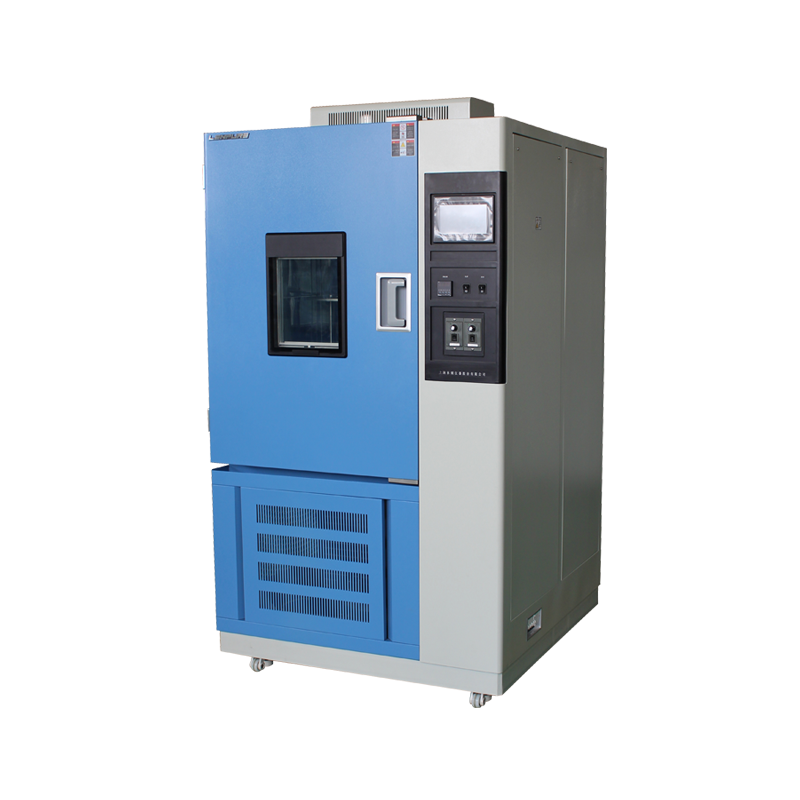
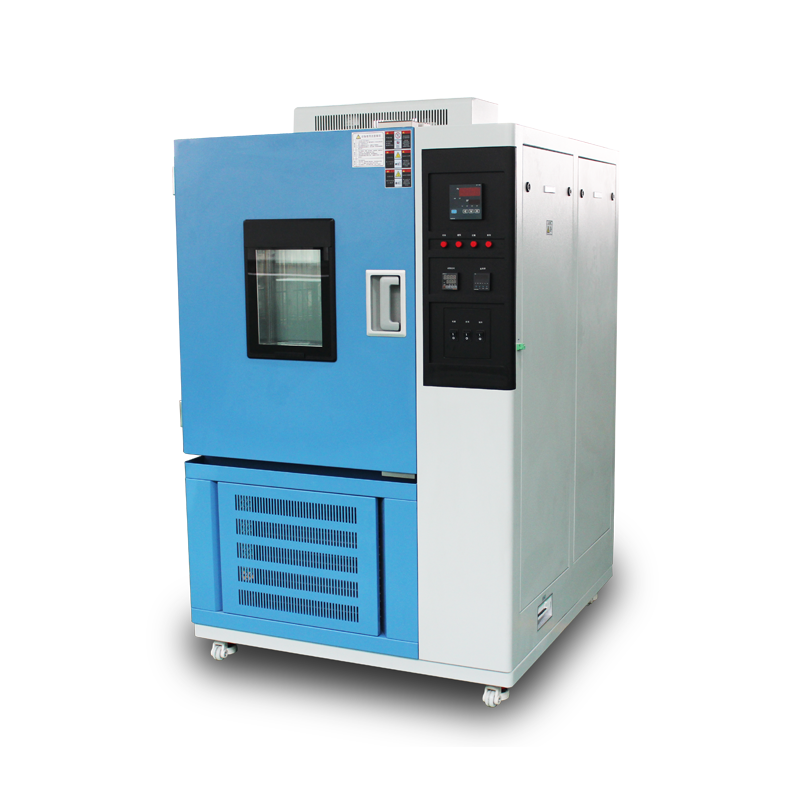
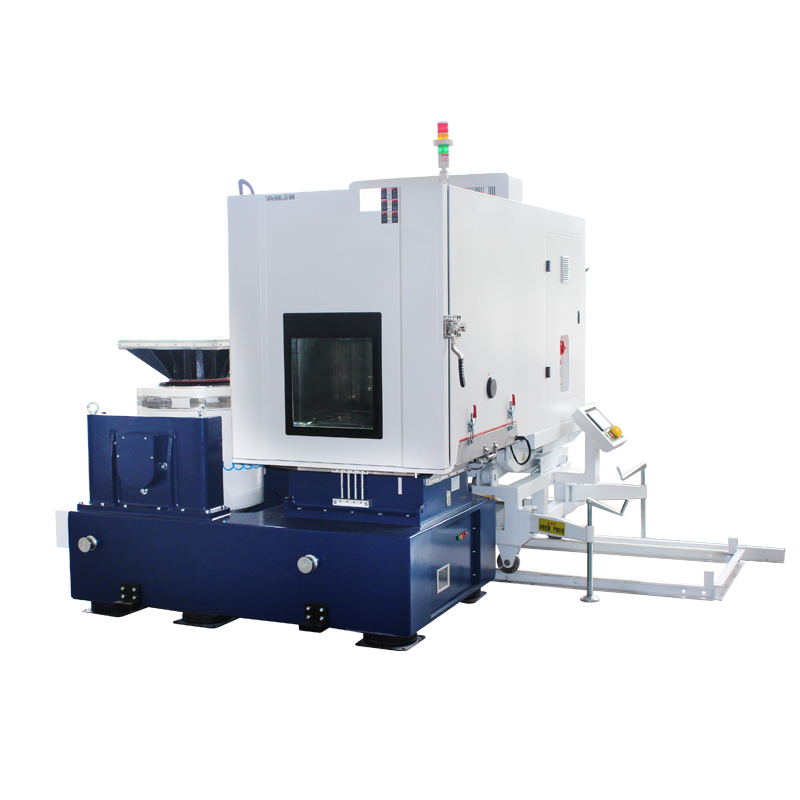
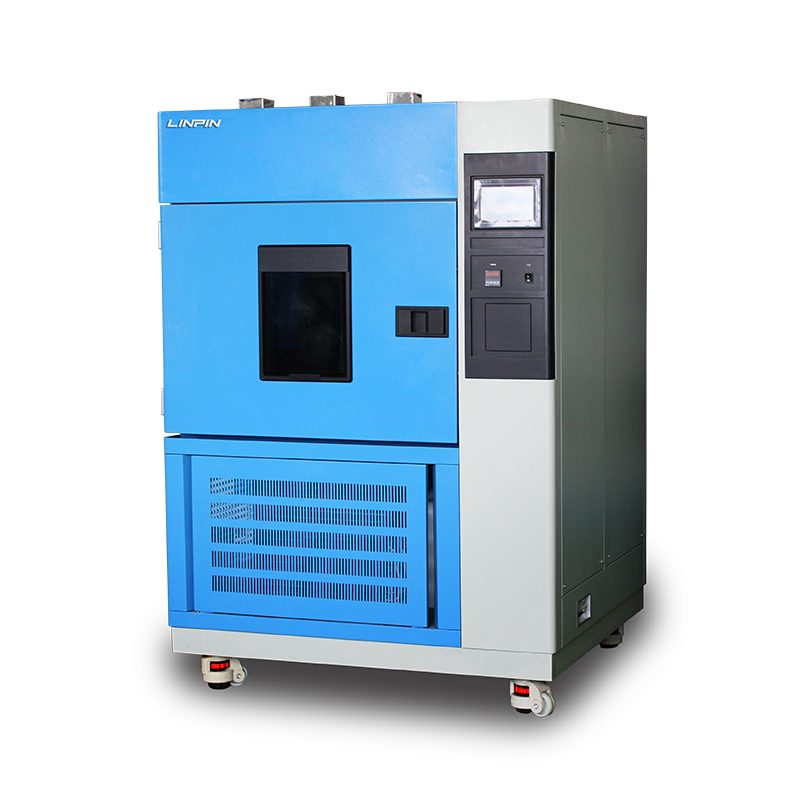
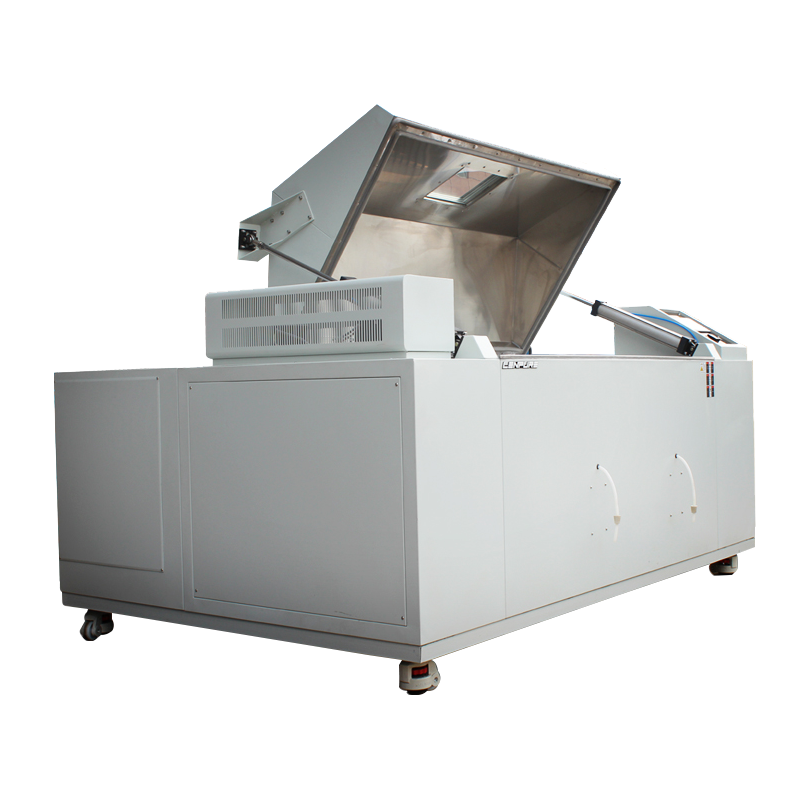
The refrigeration compressor is one of the key components affecting the test results of a high and low temperature test chamber. To ensure smooth operation, proper maintenance of the compressor is essential. During daily operation, the following actions must be avoided:
Operate the Test Chamber Correctly
Never perform water pressure tests using nitrogen without a valve.
Never use oxygen for water pressure tests, as such improper operations may cause explosions.
Always follow the correct operating procedures to ensure safety.
Avoid Using Alcohol for Moisture Removal
While a drying filter can be used to reduce moisture in the system during compressor operation, ethanol must never be used for dehumidification, as it can severely damage the motor windings and cause burnout.
If carbon tetrachloride is used for drying, it must be replaced within 24 hours; otherwise, reabsorption of moisture may form a sticky substance that can enter the compressor and damage components.

Installing a breather filter can help prevent contaminants from entering the compressor.
Prevent Electrical Short Circuits
Use insulating tape to seal insulation layers, ensuring that critical wiring and thermal protection terminals inside the compressor do not loosen or accumulate excessive frost, which could lead to short circuits.
Never close the exhaust valve while the compressor is running, as this may cause severe damage.
Refrigerant Charging Precautions
Refrigerant must always be charged into the system through the high-pressure valve.
Never overcharge refrigerant through the suction valve during compressor operation, as this may cause liquid slugging (hydraulic shock), damaging the compressor.
Avoid Hazardous Environments and Low-Quality Refrigerants
The compressor must never be used in environments containing flammable, explosive, or corrosive substances.
Never use counterfeit refrigerants, such as low-quality R22 (difluorochloromethane) mixed with 30% methyl chloride (chloromethane).
Methyl chloride is highly corrosive to aluminum, magnesium, and zinc, leading to irreversible damage to the compressor and internal components. Always use genuine refrigerants to avoid safety risks.
By following these guidelines, you can ensure the longevity and reliable performance of your high and low temperature test chamber’s compressor. Always prioritize safety and proper maintenance to prevent avoidable failures.









Copyright © 2025 Shanghai Linpin Instrument Co., Ltd Copyright
| ICP Number:Shanghai ICP Record No. 12029585-7
| Sitemap






 EN
EN
 中文
中文 Pусский
 Tiếng Việt
 ภาษาไทย
 پاکستانی زبان