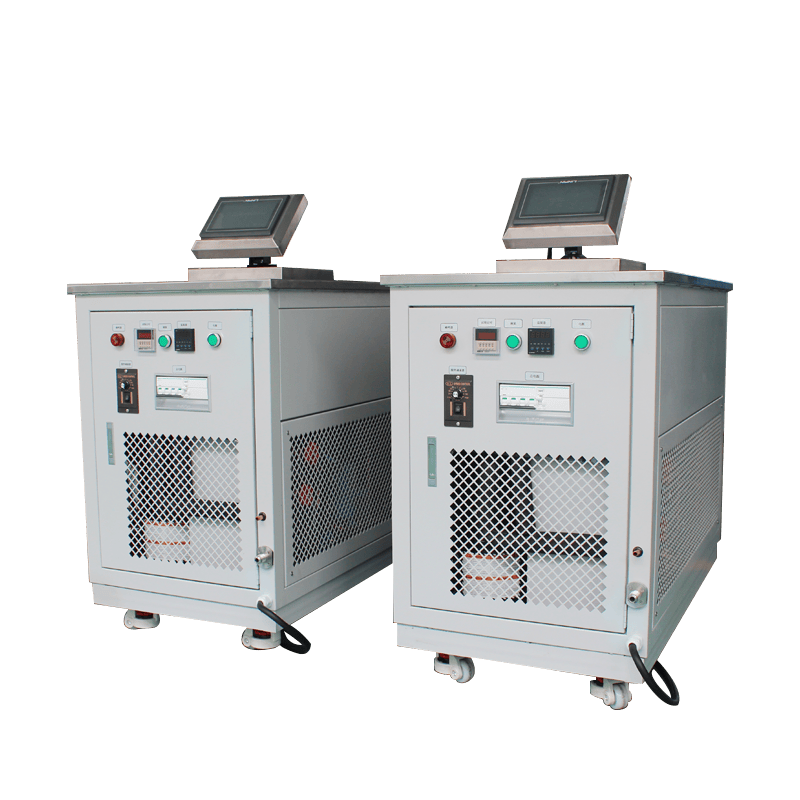
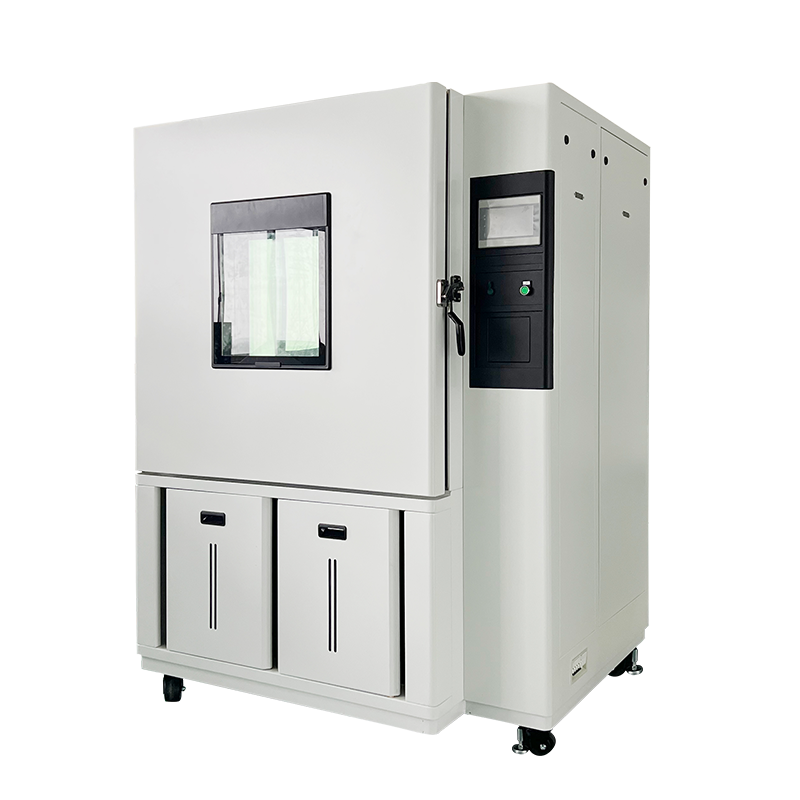
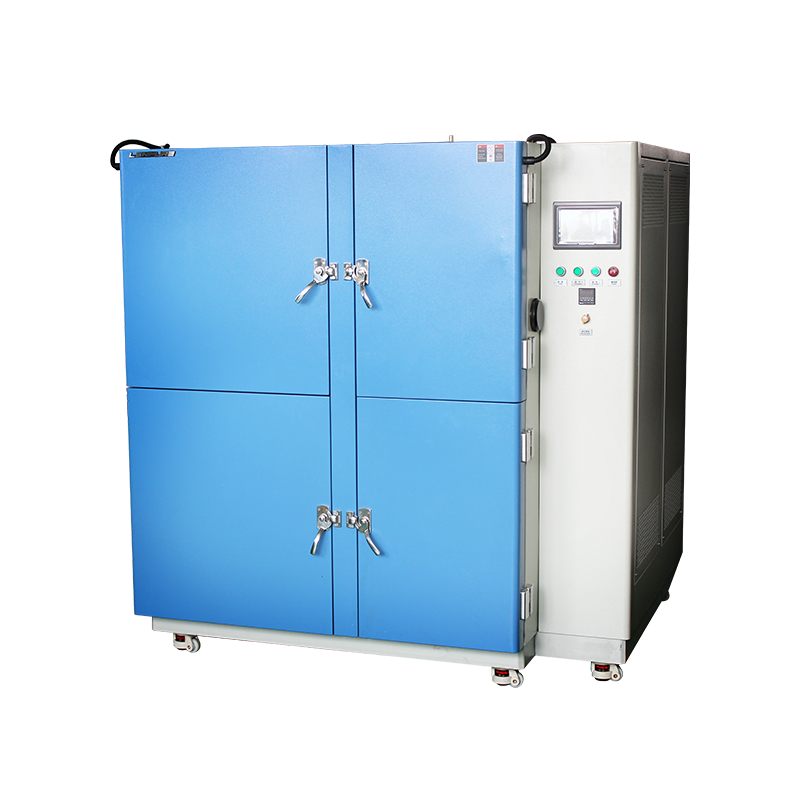
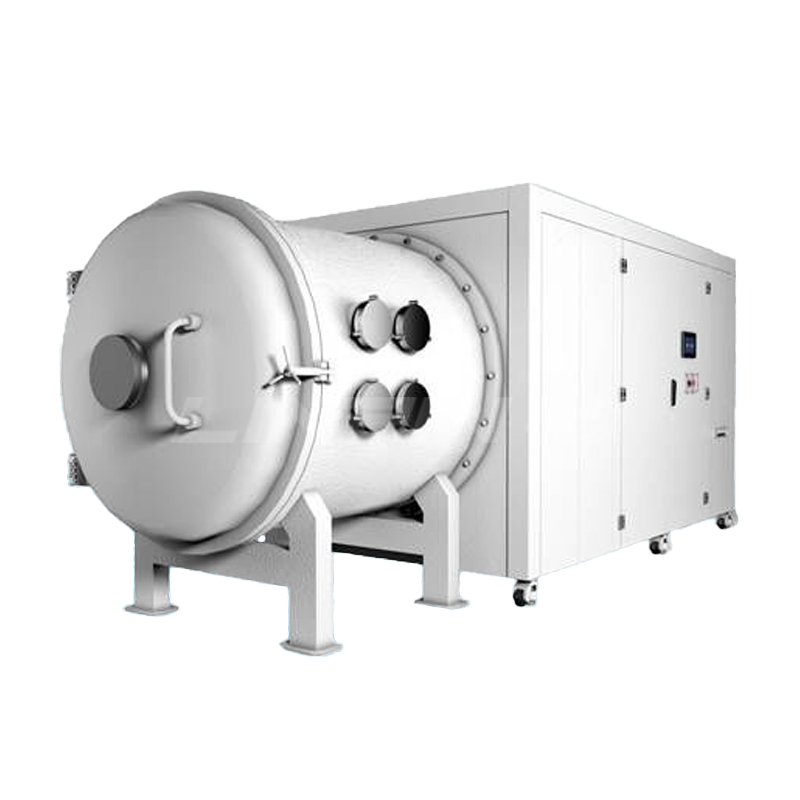
After putting a high and low temperature test chamber into operation, is it normal for the equipment to exhibit significant temperature fluctuations? This may indicate a malfunction, requiring prompt troubleshooting and resolution. Are there effective methods to address this issue?
Troubleshooting Steps:
Check the Relay
The relay component directly affects temperature stability.
Inspect whether the relay is functioning properly or if it is damaged.
If faulty, repair or replace it.
Inspect the Controller
Verify whether the issue stems from incorrect controller settings or corrupted data.
Ensure the controller itself is not malfunctioning.
If settings or data are incorrect, recalibrate immediately.
For hardware failures, consult professionals for repair or replacement.

Examine the Compressor
The compressor also impacts temperature fluctuations.
Confirm whether it is operating normally.
If faulty, arrange for repairs.
Performance Standards for Test Chambers
High and low temperature test chambers are used to evaluate the performance and parameters of materials under extreme temperature variations. They are widely applied in industries such as:
Military & Aerospace
R&D Institutions
Universities
Electronics
Automotive
Aviation
Temperature uniformity requirements:
Must be within ±2.0°C.
High-temperature fluctuations should not exceed ±0.5°C.
Low-temperature fluctuations should not exceed ±1.0°C.
If you observe excessive temperature fluctuations, follow the troubleshooting methods above to identify and resolve the issue.
Why Choose Linpin Instruments?
As a professional manufacturer of high and low temperature test chambers, we provide:
R&D, production, sales, installation, and technical support services.
High-quality, high-performance equipment.
For equipment inquiries or technical support, please contact our engineers at:
Hotline: 400-066-2888
We offer premium equipment and expert solutions tailored to your needs.








Copyright © 2025 Shanghai Linpin Instrument Co., Ltd Copyright
| ICP Number:Shanghai ICP Record No. 12029585-7
| Sitemap






 EN
EN
 中文
中文 Pусский
 Tiếng Việt
 ภาษาไทย
 پاکستانی زبان