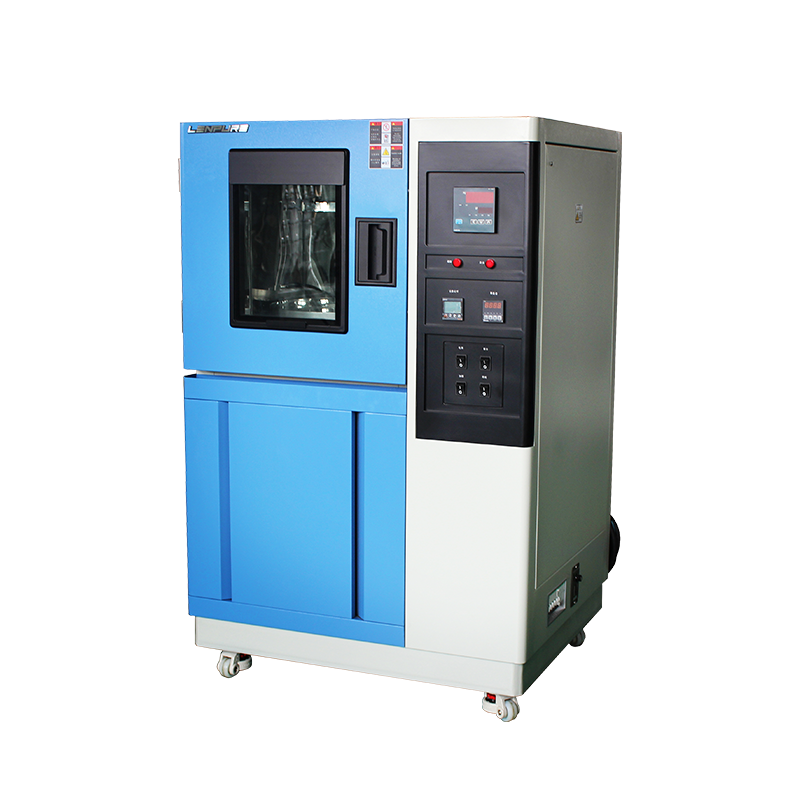
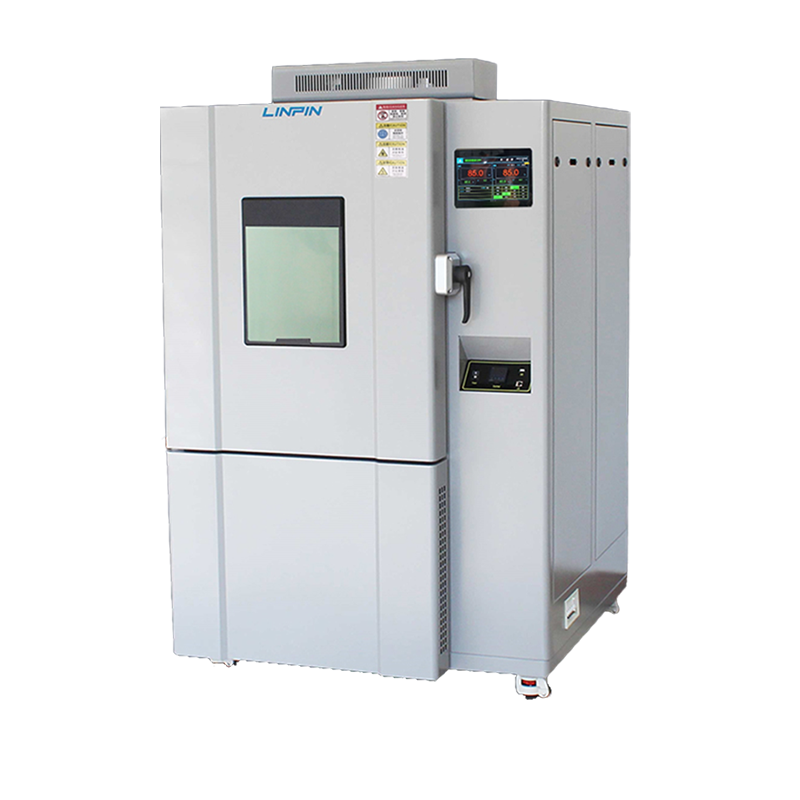
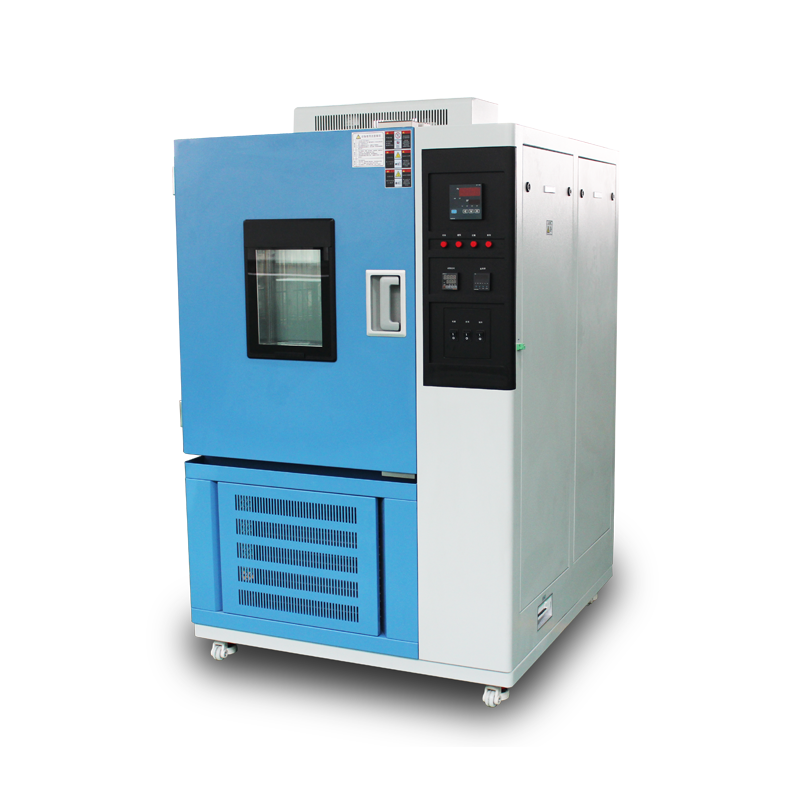
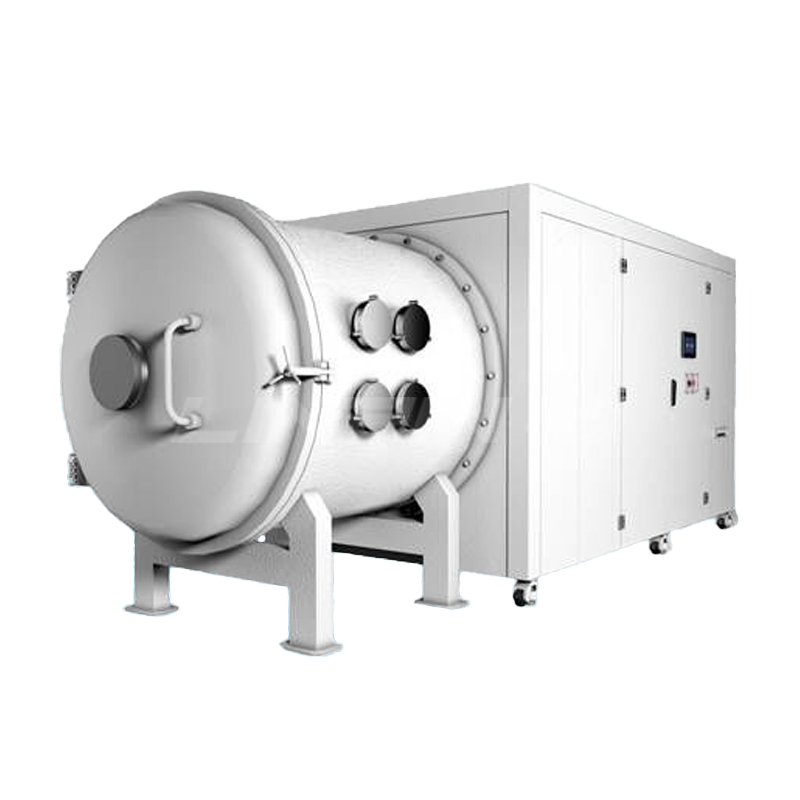
A high-temperature test chamber is an essential instrument for evaluating the reliability of industrial products under extreme heat conditions. It tests various performance metrics of products exposed to high and low-temperature transitions.
As one of the most critical instruments in China’s environmental testing industry, the high-temperature test chamber continues to advance in both technology and quality. The temperature accuracy of its heating chamber is particularly vital—overheating can compromise process control, leading to suboptimal test results and even financial losses.
Common Causes of Overheating
Faulty Temperature Probe
The placement of components in any instrument is crucial. For high-temperature test chambers, the temperature probe should be positioned at the air vent (intake or exhaust) to ensure stable and controllable temperatures.
A loose or improperly installed probe can cause temperature fluctuations, leading to overheating. If overheating occurs, first check whether the probe is securely fixed.

Motor Reversal
If the chamber’s motor reverses, it disrupts the normal airflow, reducing circulation and causing temperature irregularities—such as overheating, instability, or insufficient heating.
If overheating occurs, inspect whether the motor is running in reverse.
Preventive Maintenance Tips
Regular cleaning and maintenance can significantly reduce equipment failures:
Before Use – Remove any internal debris.
Electrical Compartment – Clean at least once a year by vacuuming dust.
Exterior Cleaning – Wipe down the chamber’s exterior with a damp cloth at least once a year.
Monthly Checks – Inspect the heating chamber and replace/clean the water in the humidifier to ensure clean water and smooth flow.
By following these steps, you can minimize overheating risks and extend your test chamber’s lifespan. Have you mastered these maintenance practices?
(Note: For professional servicing, always consult the manufacturer or a certified technician.)
25.08








Copyright © 2025 Shanghai Linpin Instrument Co., Ltd Copyright
| ICP Number:Shanghai ICP Record No. 12029585-7
| Sitemap






 EN
EN
 中文
中文 Pусский
 Tiếng Việt
 ภาษาไทย
 پاکستانی زبان