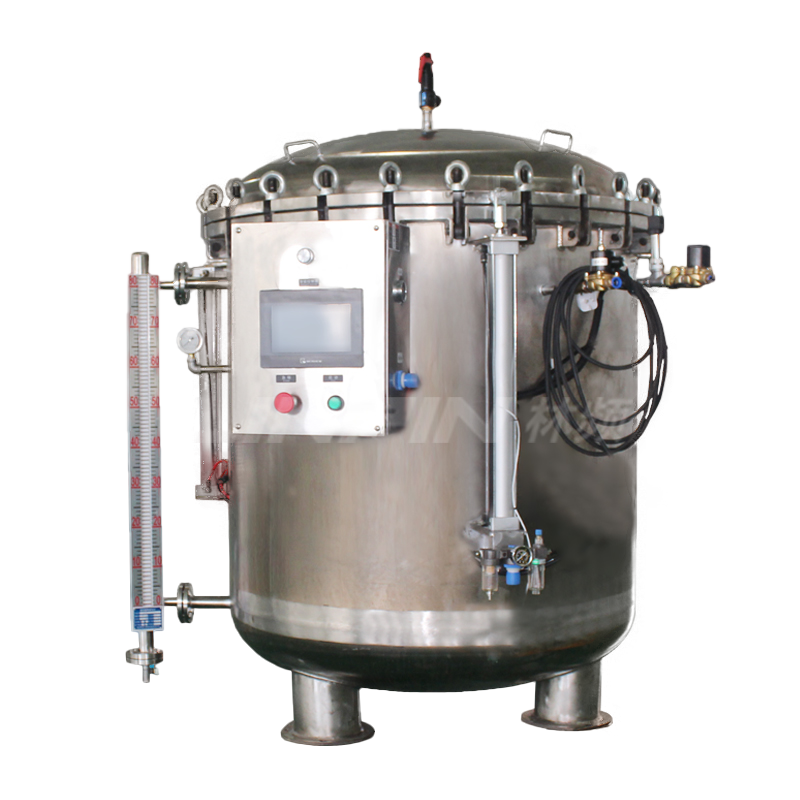
The high-pressure accelerated aging test chamber PCT and HAST test chamber have significant differences in various aspects. Here is a detailed comparison of these two types of test chambers:
I. Test Environment and Conditions
PCT Test Chamber
Temperature: Typically ranges from 110°C to 130°C, with some setups at 121°C. This is relatively lower compared to HAST.
Humidity: Close to 100% RH, in a saturated high-humidity state.
Pressure: Generally around 2 atmospheres (i.e., 211.6 kPa or 21.16 bar), also described as 2.1 atm.
HAST Test Chamber
Temperature: Usually ranges from 110°C to 150°C or even higher, with a wider temperature range and the ability to reach higher temperatures.
Humidity: Typically above 85% RH, but generally not in a fully saturated state. The adjustable range is usually from 70% to 100% RH.
Pressure: Relatively lower, typically between 0.2 MPa and 0.5 MPa (i.e., 2–5 bar).

II. Test Purpose and Application Scope
PCT Test Chamber
Purpose: Mainly used to evaluate the sealing, moisture resistance, and the ability of materials to withstand humid heat aging of products under high-temperature, high-humidity, and high-pressure conditions.
Application Scope: Commonly used for testing the moisture resistance of electronic product packaging, plastic materials, coatings, etc., especially suitable for products with high sealing requirements, such as electronic components, circuit boards, semiconductor devices, etc.
HAST Test Chamber
Purpose: More focused on quickly exposing potential reliability issues of products, such as poor packaging, material aging, metal corrosion, etc., and accelerating the simulation of electronic products under harsh environmental conditions.
Application Scope: Widely used in the reliability assessment of electronic components, integrated circuits, printed circuit boards, electronic assemblies, and other electronic products, especially in high-reliability fields such as aerospace, automotive electronics, and medical devices.
III. Test Time and Effect
PCT Test Chamber
Test Time: Relatively longer, generally requiring tens of hours or even longer to show the aging of products.
Effect: Due to the high humidity and high-pressure environment, it is a stricter test of the product’s sealing and moisture resistance, and can more directly detect potential problems of products in humid and hot environments.
HAST Test Chamber
Test Time: Shorter, usually ranging from tens of hours to hundreds of hours, and can accelerate product aging in a shorter time.
Effect: By combining higher temperatures with certain humidity and pressure, it can quickly trigger various potential defects inside the product, accelerate the failure process of the product, and provide faster feedback for product improvement and optimization.
IV. Equipment Construction and Features
PCT Test Chamber
Construction: Generally built with stainless steel or high-temperature alloy materials, with an inner chamber designed in a rounded shape to meet national safety container standards, preventing condensation and dripping during the test. It is equipped with double-layer stainless steel product racks, which can also be customized according to the size and specifications of the customer’s products.
Features: The test conditions are relatively mild, but the test time is longer.
HAST Test Chamber
Construction: Usually constructed with corrosion-resistant materials such as nickel alloy, also featuring a rounded inner chamber design, and equipped with double-layer stainless steel product racks (which can also be customized according to the size and specifications of the customer’s products). It is more advanced and refined in optimized design, workmanship, sensor configuration, test sample rack design, and safety protection measures.
Features: The test conditions are more severe, the test time is shorter, and it can quickly show the aging of the product.
In summary, PCT and HAST test chambers have significant differences in test environment and conditions, test purpose and application scope, test time and effect, as well as equipment construction and features. The choice of which aging test equipment to use should be based on the characteristics and requirements of the product.



25.12







Copyright © 2025 Shanghai Linpin Instrument Co., Ltd Copyright
| ICP Number:Shanghai ICP Record No. 12029585-7
| Sitemap






 EN
EN
 中文
中文 Pусский
 Tiếng Việt
 ภาษาไทย
 پاکستانی زبان