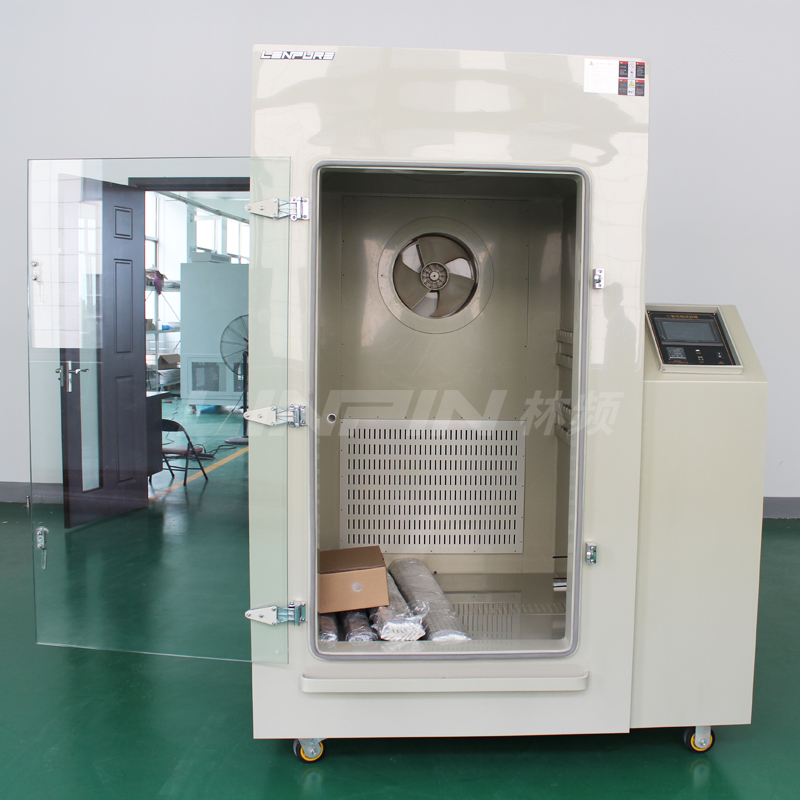
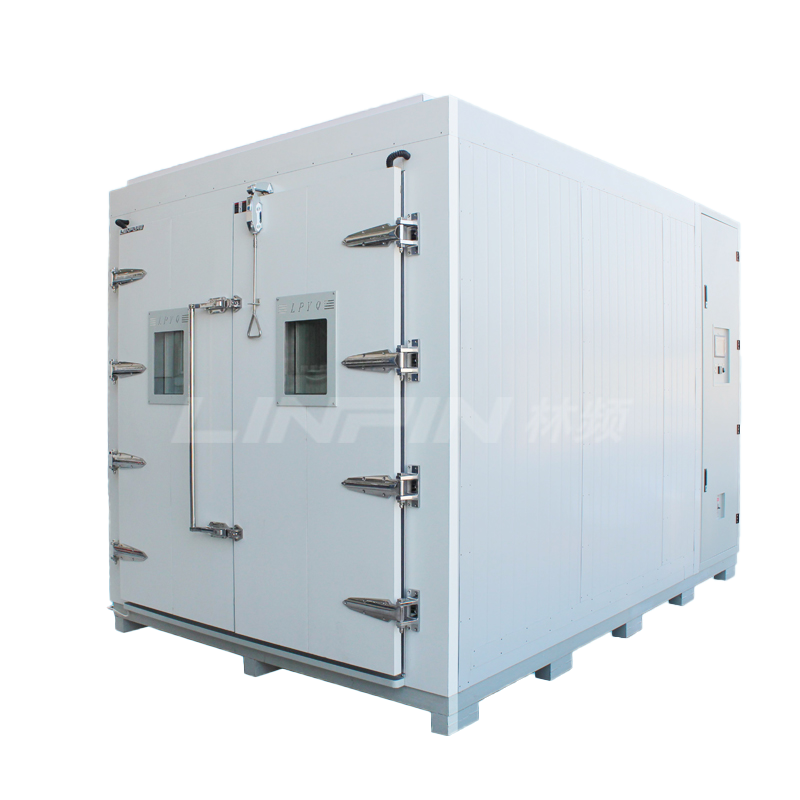
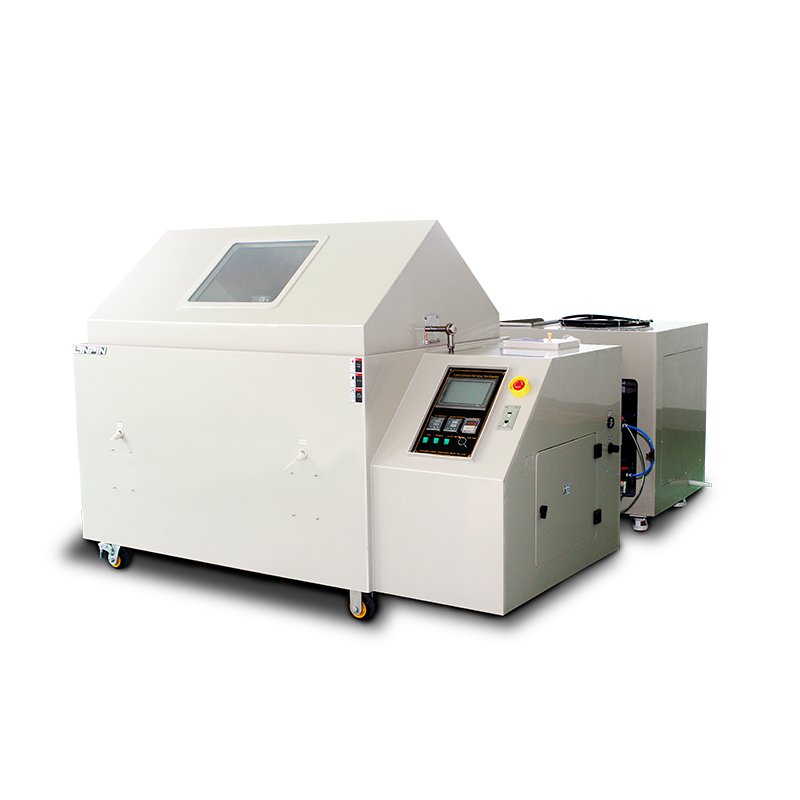
The constant temperature and humidity test chamber serves as a core apparatus in the field of environmental simulation testing, with its applications deeply penetrating critical sectors such as scientific research, medical studies, industrial production, and national defense. This equipment provides indispensable technical support for material performance verification, product reliability assessment, and quality consistency inspection by precisely replicating complex environmental conditions including high temperature, low temperature, constant humidity, and alternating damp heat. Within modern industrial production systems, the stability, accuracy, and long-term reliability of environmental testing equipment have become the cornerstones ensuring the effective operation of product quality assurance systems. However, it must be clearly recognized that even with exceptional initial performance, the absence of a scientific and standardized maintenance system will inevitably lead to technical degradation, affecting not only the equipment’s structural integrity but also resulting in diminished testing accuracy, increased failure rates, and shortened service life. Practical experience has demonstrated that establishing and implementing a systematic preventive maintenance strategy constitutes the fundamental guarantee for ensuring continuous and stable operation throughout the equipment’s entire lifecycle.
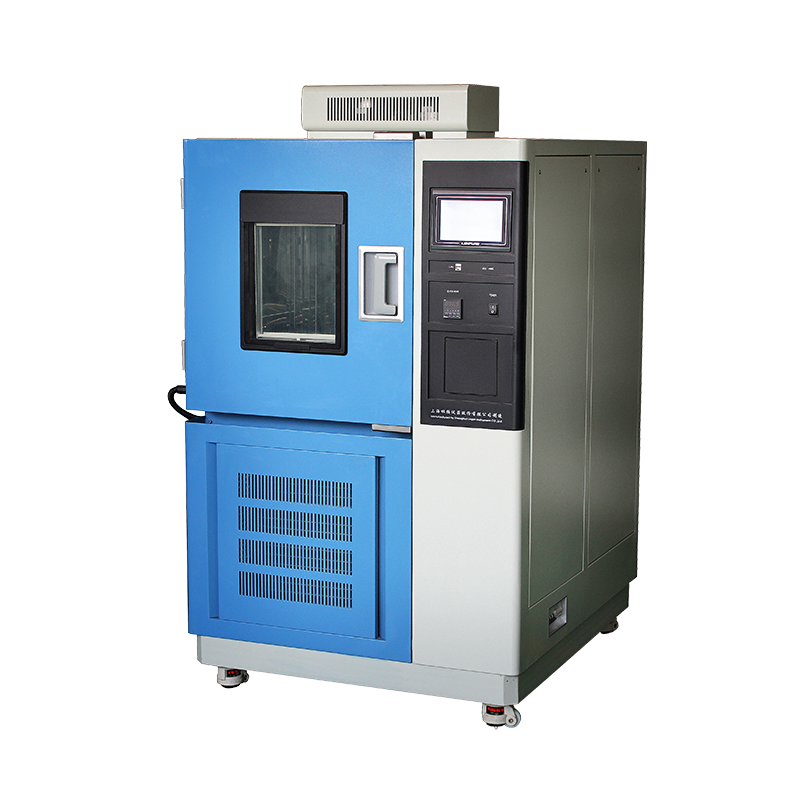
Based on extensive equipment operation and maintenance experience combined with industry standard practices, the standardized maintenance system for constant temperature and humidity test chambers is summarized as follows:
1. Pre-Operation Systematic Inspection Procedures
Pre-startup inspection serves as the primary defense line for ensuring testing safety and data validity. Operators must conduct comprehensive inspection procedures before each startup: Firstly, thoroughly examine the interior of the working chamber to remove all residual test contaminants, including sample debris from previous tests, accumulated condensate, and potential chemical residues. Failure to remove such contaminants will not only create pollution sources in subsequent tests, affecting environmental cleanliness, but may also block drainage pipelines or disrupt airflow organization, leading to compromised temperature and humidity field uniformity. Secondly, inspect the stability of sample rack installation, the positional accuracy of sensor probes, and the integrity of sealing gaskets. Particularly for high-humidity testing, any minor sealing defect will cause steam leakage, destroying humidity control precision and corroding external equipment structures.
2. Precise Water Level Control Specifications for the Water Collector
The water collector constitutes a vital component of the humidity control system, and precise water level control directly impacts the accuracy of humidity generation and regulation. When the water level is excessively high, saturated steam production exceeds the system’s regulatory capacity, causing humidity overshoot while simultaneously increasing the risk of liquid water splashing into air ducts, potentially damaging heaters or blowers. Conversely, insufficient water level results in inadequate humidification, preventing achievement of the set humidity value, particularly under low-temperature, high-humidity conditions, which will trigger humidity control failure. The ideal water level should be maintained within the 50%-75% range of the scale, with visual confirmation required before daily startup. For equipment equipped with automatic water replenishment functions, regular inspection of the reliability of float valves or liquid level sensors is necessary to prevent continuous water intake or dry-burning accidents caused by sensor malfunction.
3. Maintenance Management Standards for Wet-Bulb Test Wicks
The accuracy of wet-bulb temperature measurement directly depends on the physical condition and cleanliness of the test wick (wet-bulb gauze). Serving as the water evaporation medium, the wick’s wettability and permeability exert decisive influence on wet-bulb temperature readings. Based on operational intensity and environmental cleanliness, the wick replacement cycle should be strictly controlled within three months. When the gauze exhibits noticeable contamination, mineral deposition, fiber hardening, or uneven wetting, immediate replacement is mandatory; otherwise, wet-bulb temperature measurement deviation will exceed ±0.5°C, consequently distorting humidity calculation results. Clean gloves must be worn during wick replacement to avoid contamination by hand oils. After installing new gauze, thoroughly saturate it with distilled water and ensure it tightly wraps the temperature sensor without wrinkles or gaps. Simultaneously, during each wick replacement, the temperature sensor surface should be gently wiped with a non-woven cloth dampened with a small amount of alcohol to remove surface scale and contaminants, restoring its thermal response sensitivity.
4. Condenser Heat Exchange Efficiency Maintenance
The condenser, as the terminal heat exchange unit of the refrigeration system, has surface cleanliness that directly determines equipment cooling efficiency and energy consumption levels. During prolonged operation, condenser fins readily accumulate airborne dust, fibers, and oil contaminants, forming an insulating layer that causes elevated condensing pressure, increased compressor discharge temperature, and refrigeration capacity decay. Maintenance regulations require professional cleaning at least once every two months. Cleaning operations should utilize soft brushes or low-pressure nitrogen purging, performed gently along the fin direction; the use of hard tools for scraping is strictly prohibited to prevent fin deformation. For severely oil-contaminated operating environments, specialized air-conditioning cleaning agents must be employed for spray cleaning, but this must be performed under power-off conditions, ensuring complete volatilization of the cleaning agent before resuming operation. Dust on heat pipe surfaces should be thoroughly removed using a vacuum cleaner with a narrow-gap nozzle, ensuring surface cleanliness of each heat pipe reaches over 95%. After cleaning, condensing pressure should be restored to within ±10% of the design value.
5. Humidifier Water Quality Management and Anti-Scale Maintenance
Water quality in the humidification system directly affects steam purity and internal pipeline patency. Water in the humidifier storage tank should be completely replaced monthly to ensure water quality. Deionized or distilled water must be used; tap water is strictly prohibited to prevent calcium and magnesium ions from forming dense scale on heating tube surfaces, reducing thermal efficiency and causing tube wall overheating and rupture. During daily inspections, examine scale accumulation inside the humidification tank through observation windows. Immediate chemical cleaning is required once sediment thickness at the bottom exceeds 2mm or white crystalline deposits are observed on heating tube surfaces. Cleaning may employ 5% citric acid solution to soak heating tubes for 30 minutes to dissolve carbonate scale, followed by repeated rinsing with clean water until neutral pH is achieved. Additionally, the water inlet filter should be inspected monthly to remove screen impurities, ensuring unimpeded water flow and effectively preventing solenoid valve blockage and pipeline restriction caused by scale buildup.
6. Humidification System Pipeline Air Venting and Electrical Distribution System Cleanliness Management
Air remaining in pipelines during initial water filling of the humidification tank or after prolonged shutdown will create airlocks, preventing humidification water from properly entering the tank. Standard operation requires manually opening the vent plug after opening the water inlet valve until stable water flow is discharged, confirming complete air evacuation. The electrical distribution system, as the equipment’s power hub, must maintain a highly clean operating environment. The interior of the electrical cabinet should undergo deep dust removal maintenance at least annually, utilizing a small industrial vacuum cleaner to remove conductive dust from component surfaces including circuit breakers, contactors, and relays. Special attention must be paid that dust removal operations must be performed by certified electricians only, after complete power shutdown, voltage verification, and warning tag placement to prevent electric shock or short-circuit accidents caused by operational errors. After dust removal, inspect the tightness of all terminal connections and perform torque recalibration on loose connections to ensure electrical connection reliability.
7. Cleaning Standards for Equipment Exterior and Interior Chambers
Exterior cleaning of the equipment cabinet not only concerns aesthetics but also constitutes an important anti-corrosion measure. Comprehensive cleaning should be performed at least annually, using neutral cleaning solution diluted with water to dampen soft towels for wiping equipment enclosures, control panels, and doors to remove oil and dust. Steel wool or other sharp tools are strictly prohibited to prevent damage to protective coatings. After cleaning, inspect the elasticity of door sealing gaskets; replace immediately if aging or cracking is discovered. The interior chamber should be promptly cleaned after each test completion, especially following salt spray, acidic gas, or biochemical testing, where the inner liner must be immediately rinsed with distilled water to prevent corrosive residues from causing intergranular corrosion of stainless steel materials. When not in use for extended periods, the inner liner should be wiped dry and the chamber door opened for 24-hour ventilation to prevent mold growth.
8. Importance of Preventive Maintenance Systems
Constant temperature and humidity test chambers serve as critical quality gatekeepers within industrial production chains. The reliability of their technical status, accuracy of measurement data, and convenience of maintenance operations constitute the three core elements of equipment value. Establishing a sound preventive maintenance system, developing detailed inspection checklists and maintenance cycle plans, training dedicated maintenance personnel, and implementing equipment operational status monitoring and failure trend analysis can reduce unplanned downtime by over 70%, significantly extend equipment service life, and ensure testing data remains consistently traceable and credible. Only by institutionalizing scientific maintenance into normalized management systems can the equipment’s full technical potential be realized, providing solid support for continuous product quality improvement.









Copyright © 2025 Shanghai Linpin Instrument Co., Ltd Copyright
| ICP Number:Shanghai ICP Record No. 12029585-7
| Sitemap






 EN
EN
 中文
中文 Pусский
 Tiếng Việt
 ภาษาไทย
 پاکستانی زبان