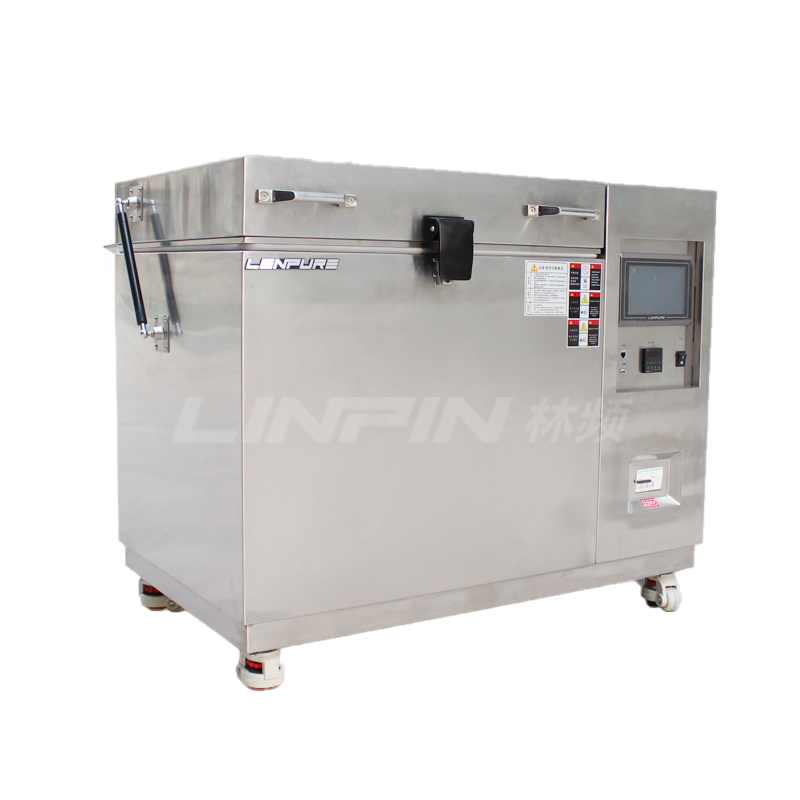
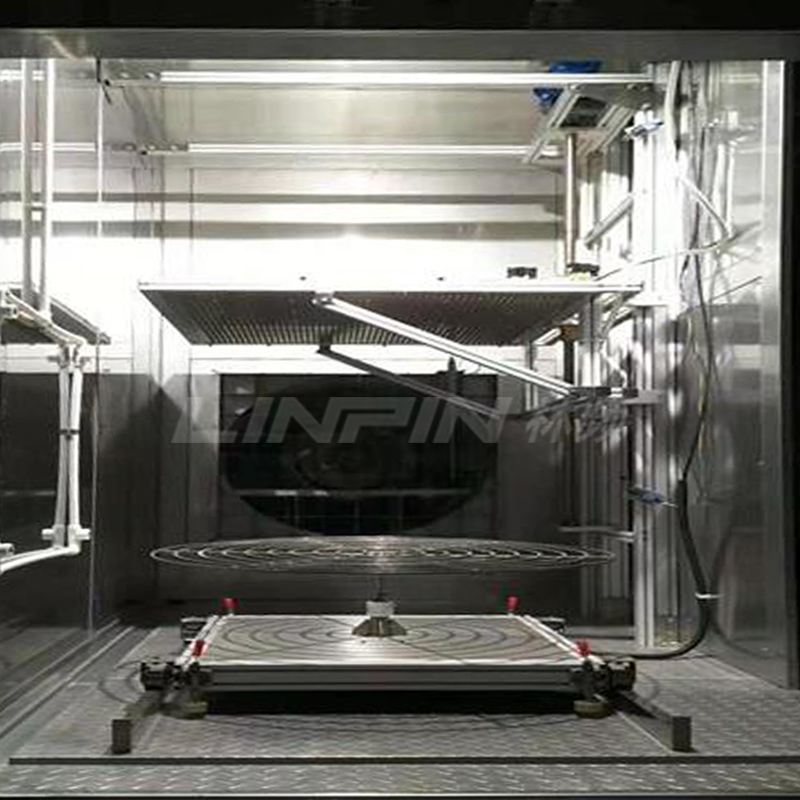
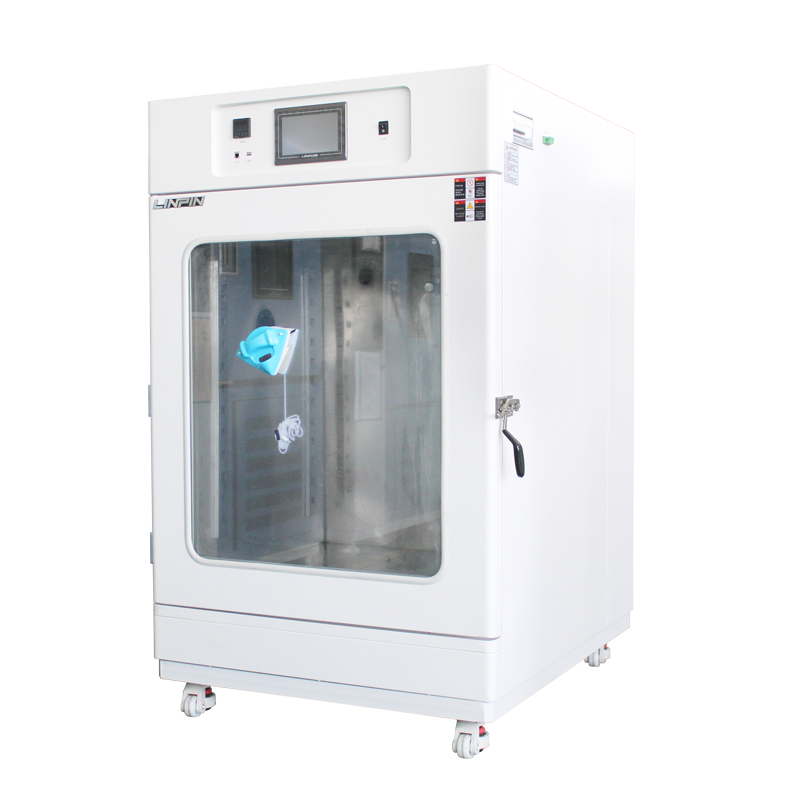
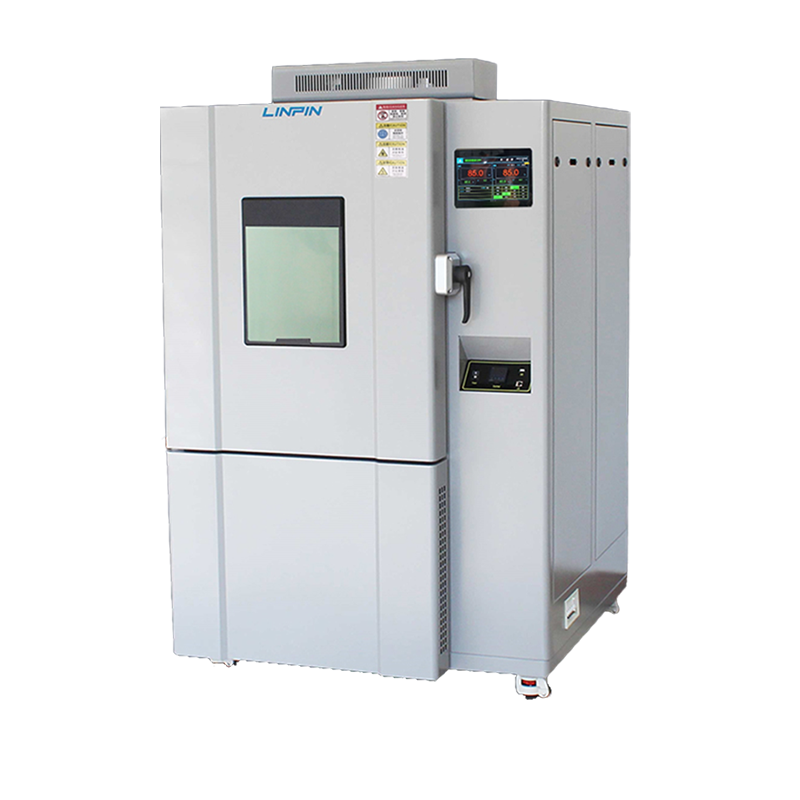
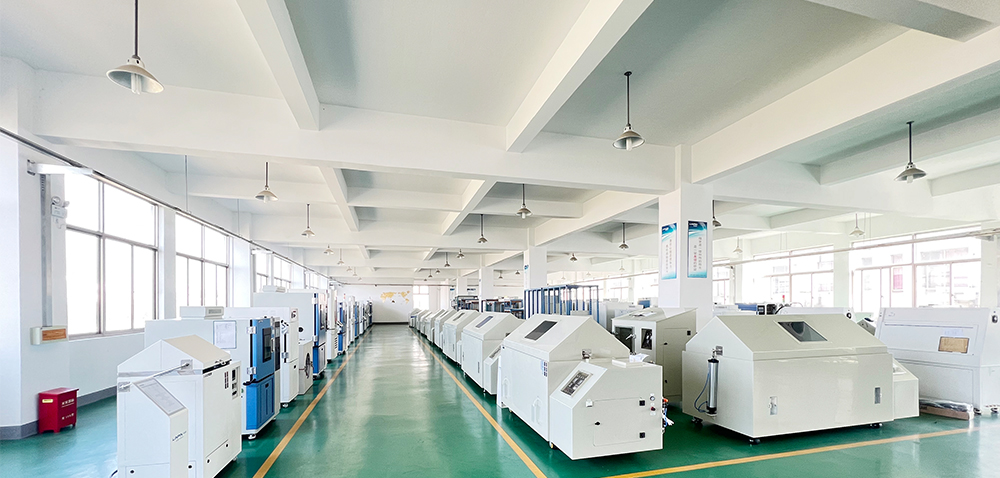
As a precision testing instrument, the high-low temperature test chamber is designed to evaluate how products withstand changes in environmental temperature and humidity. It plays a critical role in product design, improvement, certification, and inspection processes. Given its high cost, selecting the right equipment requires careful consideration.
For customers, purchasing expensive equipment that fails to meet their needs is a waste of resources. Therefore, when choosing a product, it’s essential to consider whether the device can accurately test the required temperature and humidity ranges and whether it has good sealing performance.

1. Accurate Testing Requirements
To obtain accurate data, the size of the test chamber and the range of temperature control must meet specific requirements. Choose a product that fits the practical testing environment, with a slightly larger temperature and humidity range. Additionally, since operators need to be present during testing, the selected product should be safe to operate, user-friendly, and have a long service life to ensure smooth testing processes.
2. Sealing Performance
The sealing performance of the high-low temperature test chamber is another critical factor. Poor sealing can lead to water vapor leakage, wasting water resources and increasing costs. More importantly, inadequate sealing can result in significant errors in test results, rendering the data meaningless and failing to achieve the testing objectives. Poor sealing can also cause temperature control issues, leading to unnecessary losses. Therefore, choose a device with tightly sealed doors and no air leakage. Misaligned sample racks, hooks, or rubber plugs are signs of inferior quality.
3. Comprehensive Considerations
Finally, factors such as technical expertise, production capabilities, product quality, maintenance experience, and after-sales service should also be considered. Be cautious when making a purchase and avoid prioritizing low cost over long-term functionality and expandability.
The above outlines the key considerations when purchasing a high-low temperature test chamber. We hope this information is helpful. For more knowledge about high-low temperature test chambers, feel free to follow our website. Thank you!






Copyright © 2025 Shanghai Linpin Instrument Co., Ltd Copyright
| ICP Number:Shanghai ICP Record No. 12029585-7
| Sitemap






 EN
EN
 中文
中文 Pусский
 Tiếng Việt
 ภาษาไทย
 پاکستانی زبان