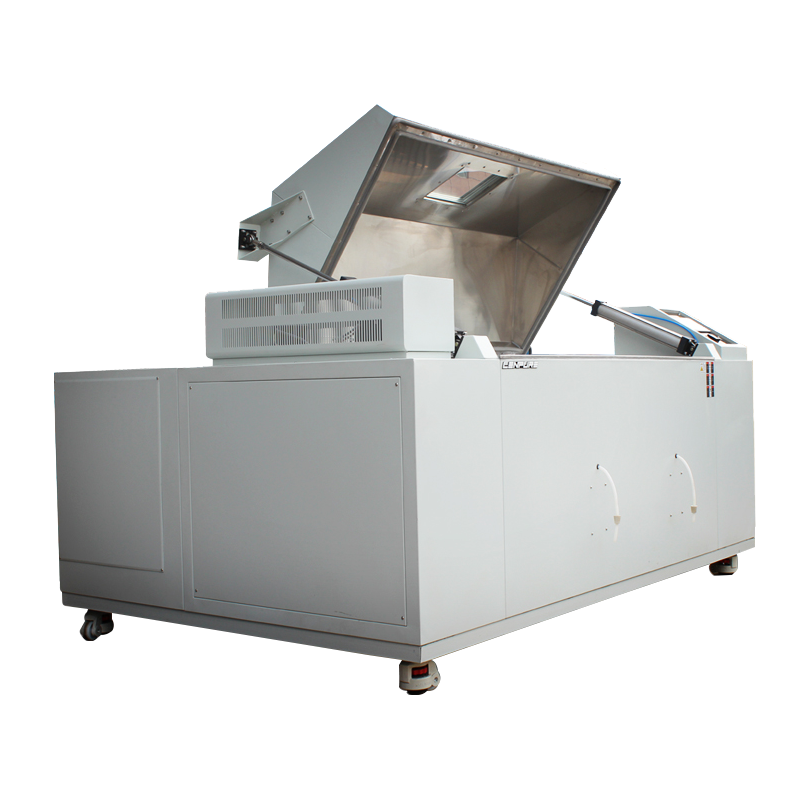
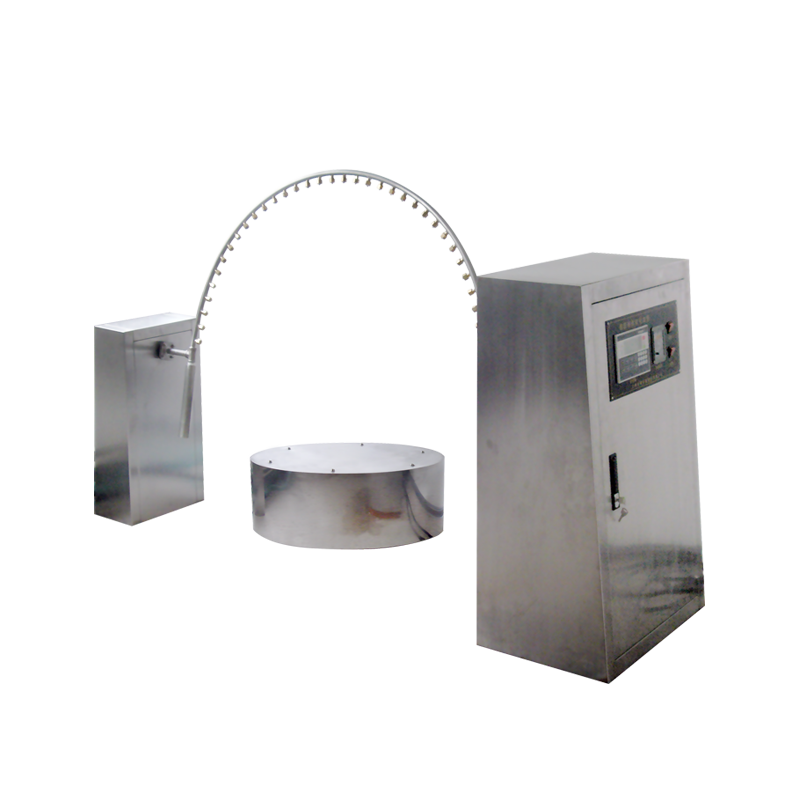
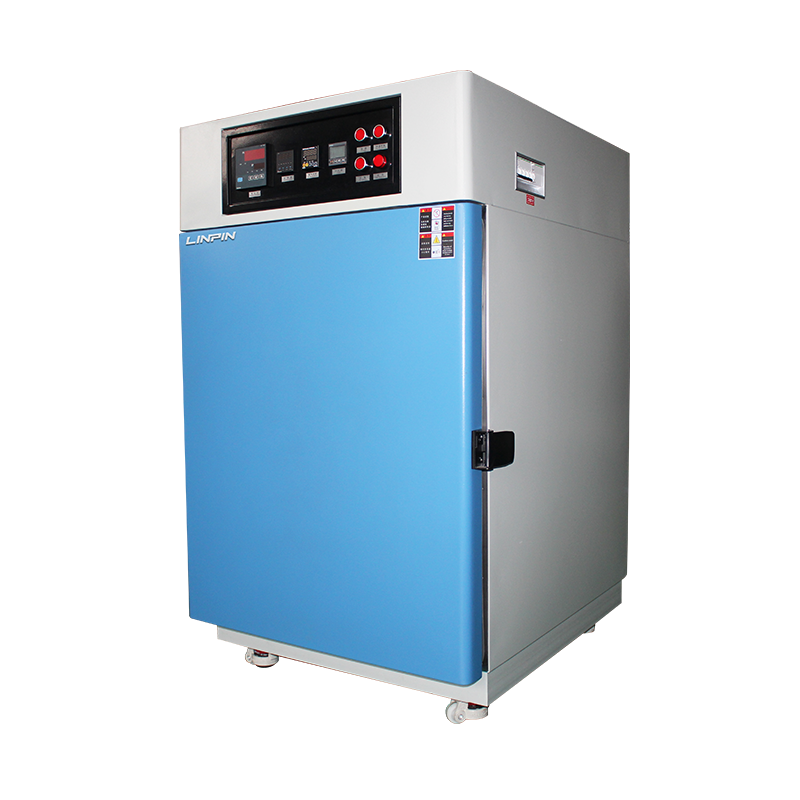
Previously, the editor introduced the air supply system of the salt spray test chamber. Today, we’re sharing insights into the device’s spray brine supply system.
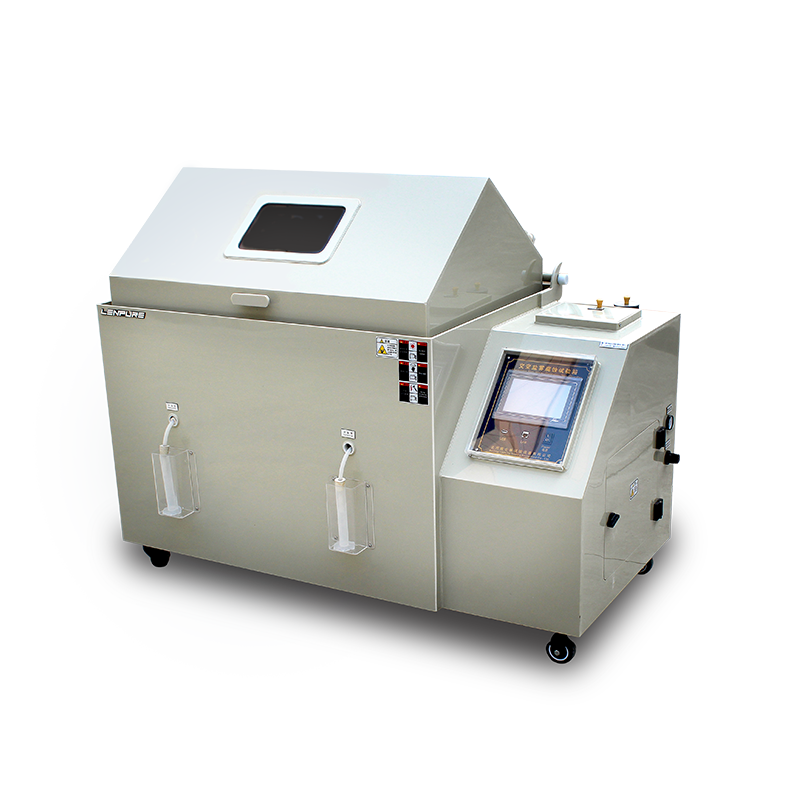
The brine supply system of the salt spray test chamber is the driving force behind supplying brine to the equipment. Since the airflow spraying in the device needs to be continuous, a specialized, automatic, and continuous brine supply system is required. This is the significance of this system’s existence. The brine tank of the spray system is typically located at the upper part of the test equipment. If the tank is not properly controlled, the brine will quickly run out or fail to meet the spraying demands. To maintain a consistent siphon height, the brine siphon water level in the equipment’s spray brine supply system is kept within the range of 200~500mm. The prepared salt solution is stored in a plastic container and pumped into the brine supply container using a magnetic pump. The brine supply container is installed on the outer frame. An automatic liquid level-controlled flow pump operates, ensuring that the water level stays within a 1cm range. By installing a heater in the brine supply tank, the temperature of the salt solution entering the nozzle can be brought close to room temperature. Given the corrosive nature of brine and its high temperature requirements, the brine supply container must be made of highly corrosion-resistant materials. The insulation measures for this device can be controlled through dedicated temperature controls or via microcomputer main control. Once the brine meets the standard, it is fed into the nozzle. When the brine is supplied to the spray nozzle’s suction tube and the test equipment is spraying, compressed air will rush out from the nozzle. Under the negative pressure generated by the suction tube, the brine spreads from the glass nozzle to the top cone and then diffuses throughout the working space, forming a misty state. This method simulates a salt spray environment.
That concludes our discussion on the spray brine supply system of the salt spray test chamber. The salt spray test chamber is composed of multiple systems. The editor will subsequently introduce the functions and workflows of other systems in the test equipment. Customers interested in this topic are encouraged to stay tuned.









Copyright © 2025 Shanghai Linpin Instrument Co., Ltd Copyright
| ICP Number:Shanghai ICP Record No. 12029585-7
| Sitemap






 EN
EN
 中文
中文 Pусский
 Tiếng Việt
 ภาษาไทย
 پاکستانی زبان