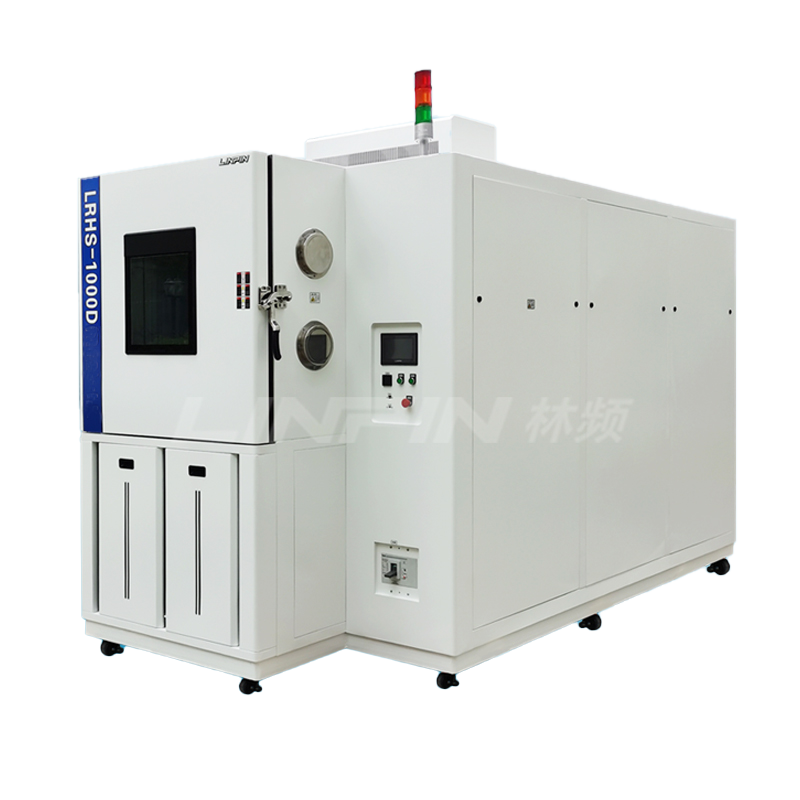
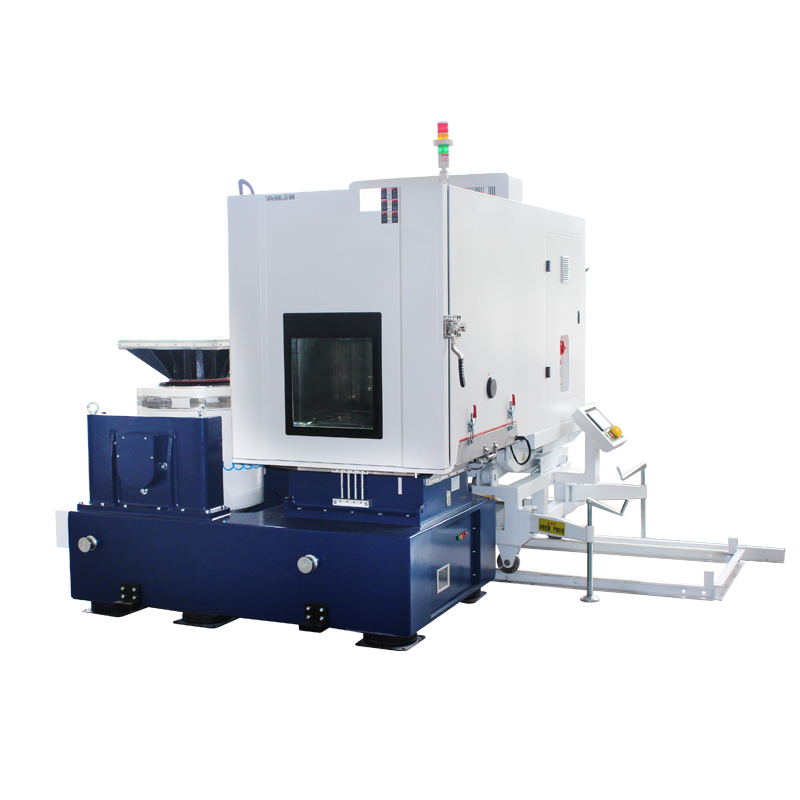
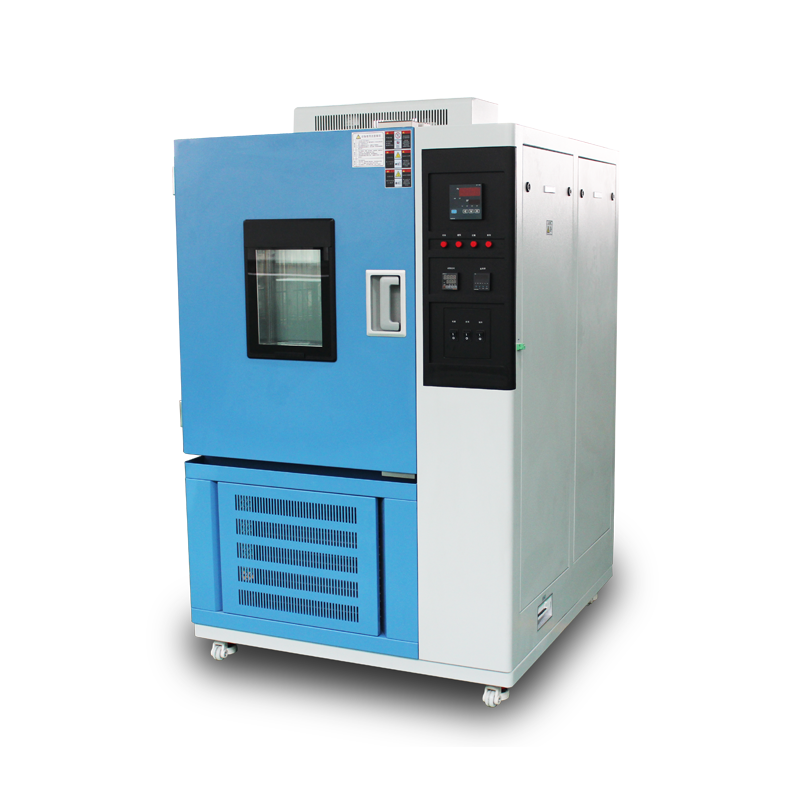
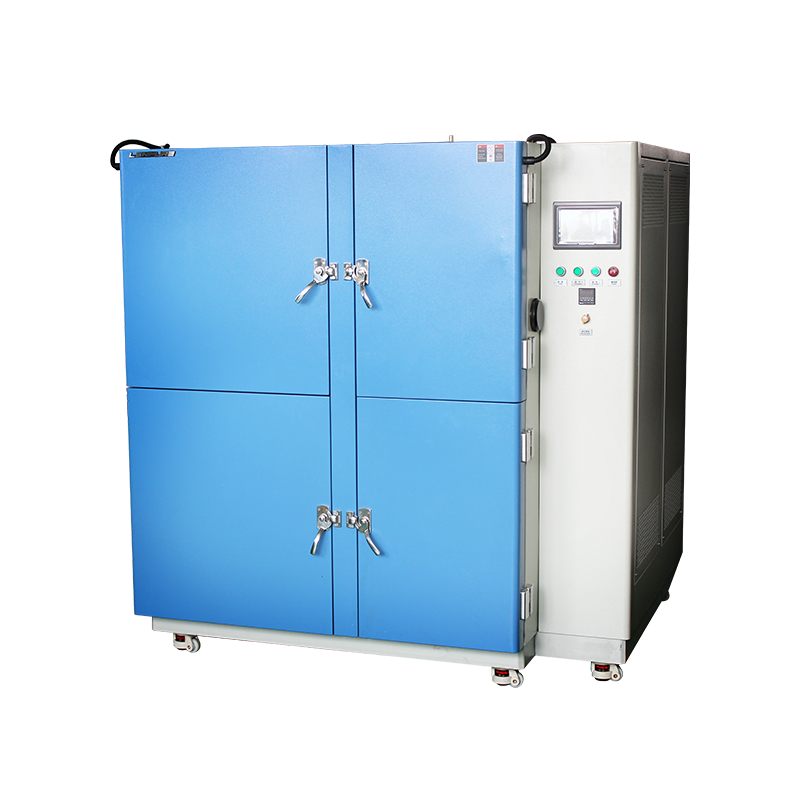
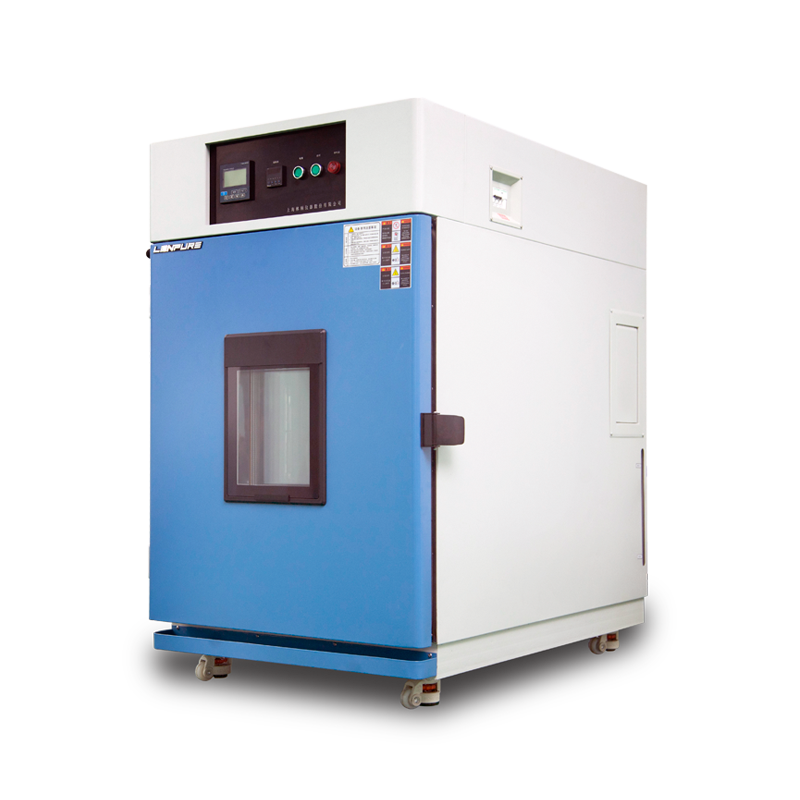
Different models of constant temperature and humidity test chambers come in varying sizes. If customers are unfamiliar with the equipment, how should they determine the appropriate size? Is it sufficient just to ensure that the test sample fits inside the chamber? The answer is definitely no—in addition to accommodating the sample, there are other key requirements to consider.
Key Conditions for Selecting the Right Chamber Size:
Clearance Around the Sample:
The outer surface of the test sample should maintain a distance of at least 10–15 cm from the inner walls of the chamber.

Sample Volume Relative to Chamber Capacity:
The sample volume should be less than 20%–35% of the chamber’s effective working space (typically, the smaller ratio is preferred).
If the sample generates heat during testing, its volume should not exceed 30% of the chamber’s capacity.
Airflow Considerations:
The ratio of the sample’s frontal cross-sectional area to the total cross-sectional area of the chamber’s working space should be less than 35%–50% (preferably closer to the lower end).
Future Testing Needs:
Consider potential future requirements, such as larger or more numerous test samples as business needs grow.
Choosing a chamber that is too small may require purchasing additional equipment later, increasing costs.
Preliminary Selection Method:
Customers can use these guidelines to estimate the appropriate chamber size. If further clarification is needed, our sales team is available for consultation.
Available Standard Sizes (W×D×H):
45×45×50 cm³
50×60×75 cm³
70×80×90 cm³
80×100×100 cm³
100×100×100 cm³
Custom Sizes Available:
We also offer custom-sized chambers to meet specific testing requirements.
For detailed assistance, please contact our sales team at 400-066-2888. As a professional manufacturer of environmental testing equipment, we are committed to providing high-quality chambers and technical support tailored to your needs. Our experts will help you select the optimal chamber size based on your testing specifications.







Copyright © 2025 Shanghai Linpin Instrument Co., Ltd Copyright
| ICP Number:Shanghai ICP Record No. 12029585-7
| Sitemap






 EN
EN
 中文
中文 Pусский
 Tiếng Việt
 ภาษาไทย
 پاکستانی زبان