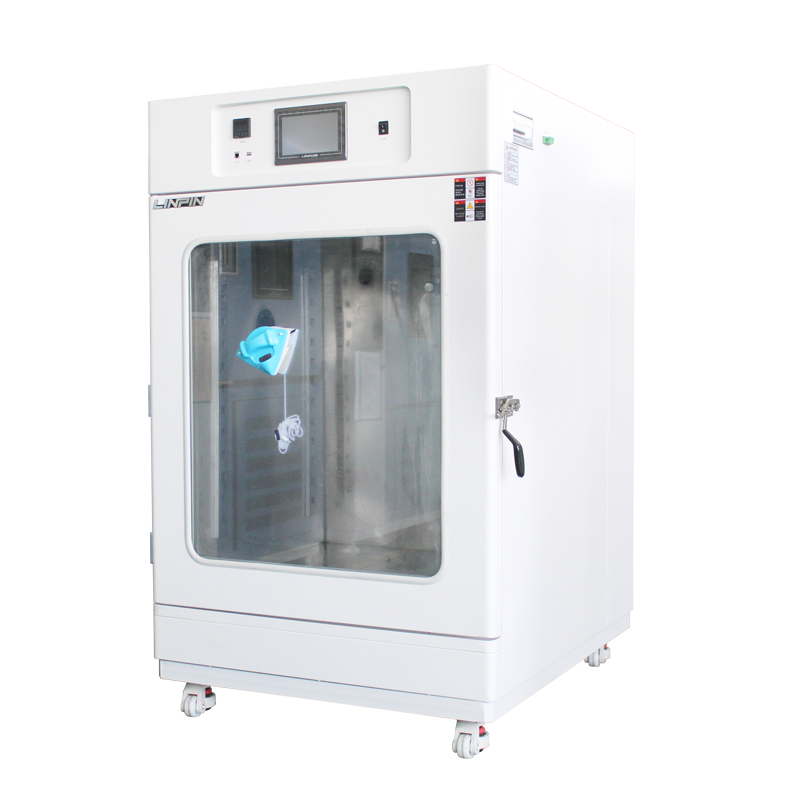
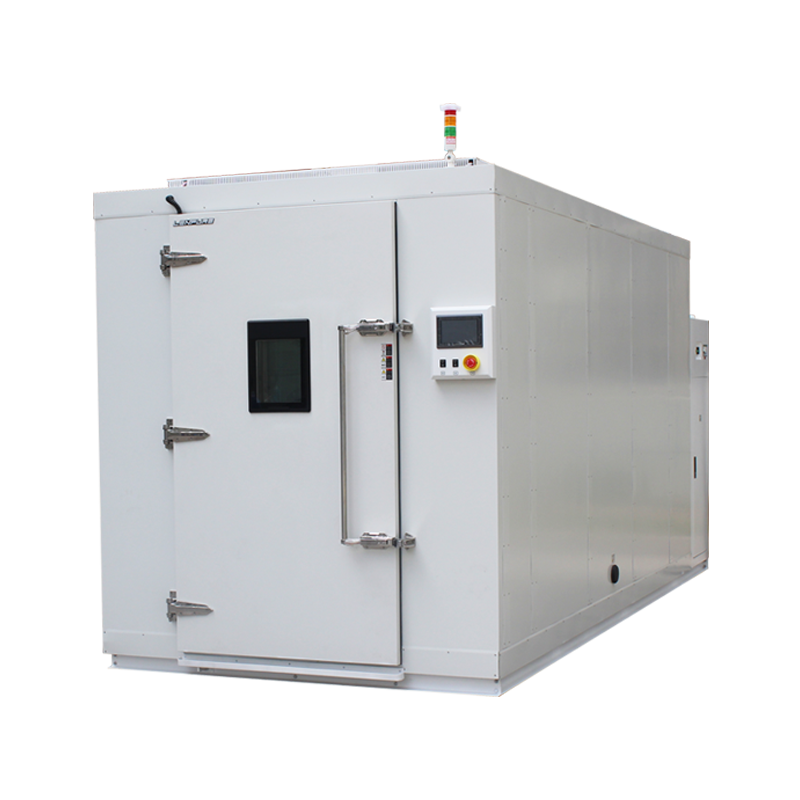
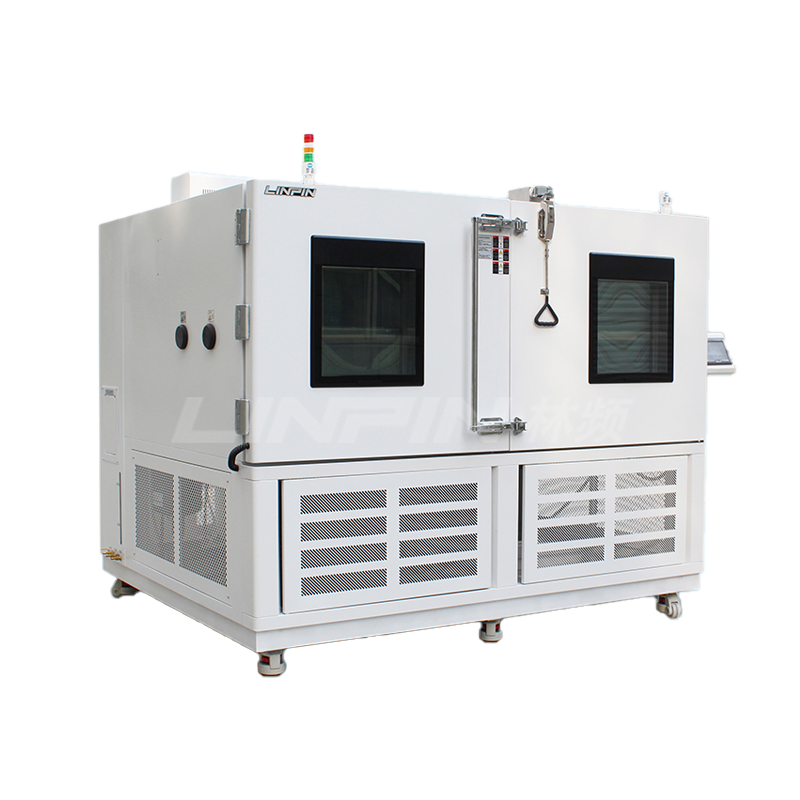
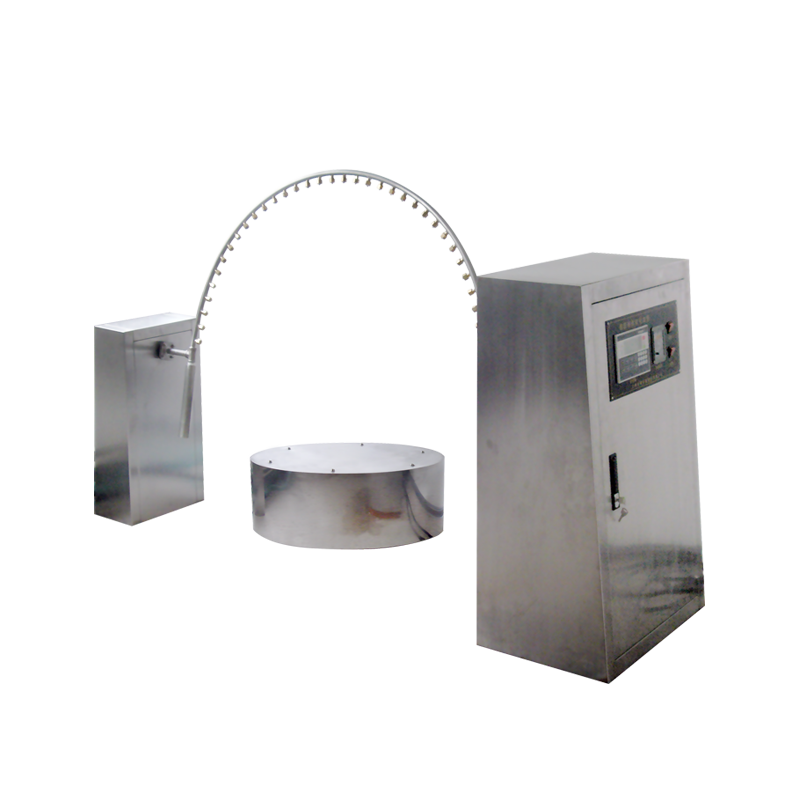
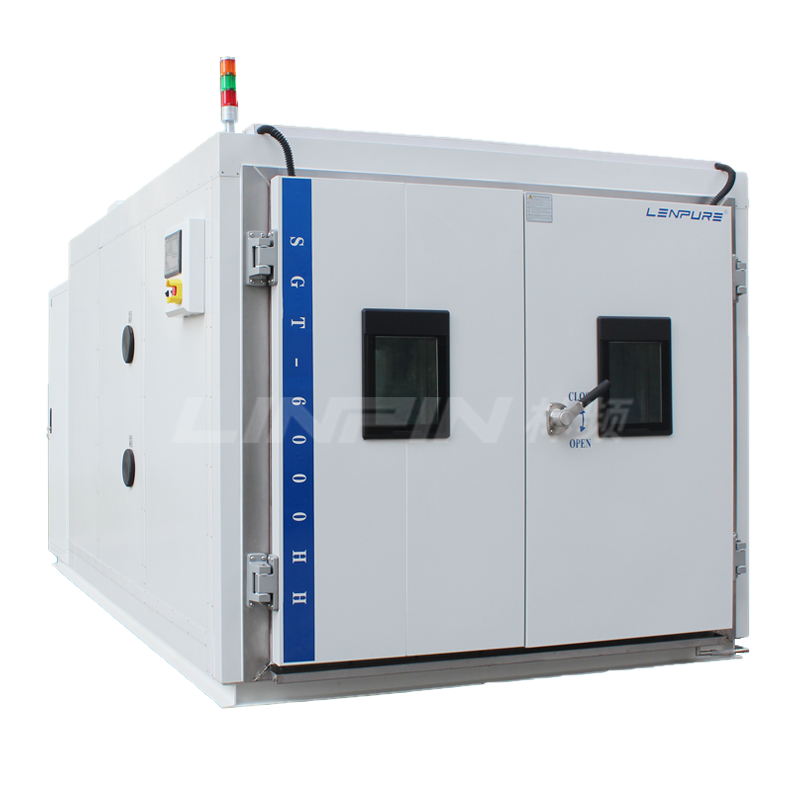
Any sand and dust test chamber may encounter malfunctions during use. Today, we will share solutions for the following 4 common faults.
The indicator light does not turn on when the switch is activated:
① The power plug may not be properly connected. Check the plug and reconnect it if necessary.
② The device’s circuit breaker may not be engaged or may have tripped. In this case, reset it.

The interior lighting does not work:
① If the power supply is normal, check the wiring for faults. If a wiring issue is found, consult a professional for repairs.
② The lighting bulb may be burnt out and require replacement.
③ The control panel may not be activated. Simply turn it on to resolve the issue.
Dust leakage around the glass door:
① The door seal may be damaged or loose. If loose, secure it properly; if damaged, contact after-sales service for a replacement.
② The glass door may not be tightly closed. Adjust the door latch to ensure a proper seal.
③ The door hinges may be loose or deformed. Tighten the screws if loose; if deformed, consult the manufacturer’s technicians for repair.
The device does not start when the button is pressed:
① The button may not have popped back up. Rotate it 45° clockwise to reset it.
② The control panel may lack set parameters or a selected function. If no parameters are set, input the required data; if no function is selected, choose the appropriate function.
The above outlines several potential issues that may arise when using a sand and dust test chamber, along with their solutions. Not all problems indicate equipment failure—some may be due to operational errors. Therefore, staff should conduct thorough troubleshooting. While some issues require professional assistance, others can be resolved independently.









Copyright © 2025 Shanghai Linpin Instrument Co., Ltd Copyright
| ICP Number:Shanghai ICP Record No. 12029585-7
| Sitemap






 EN
EN
 中文
中文 Pусский
 Tiếng Việt
 ภาษาไทย
 پاکستانی زبان