





Service Hotline
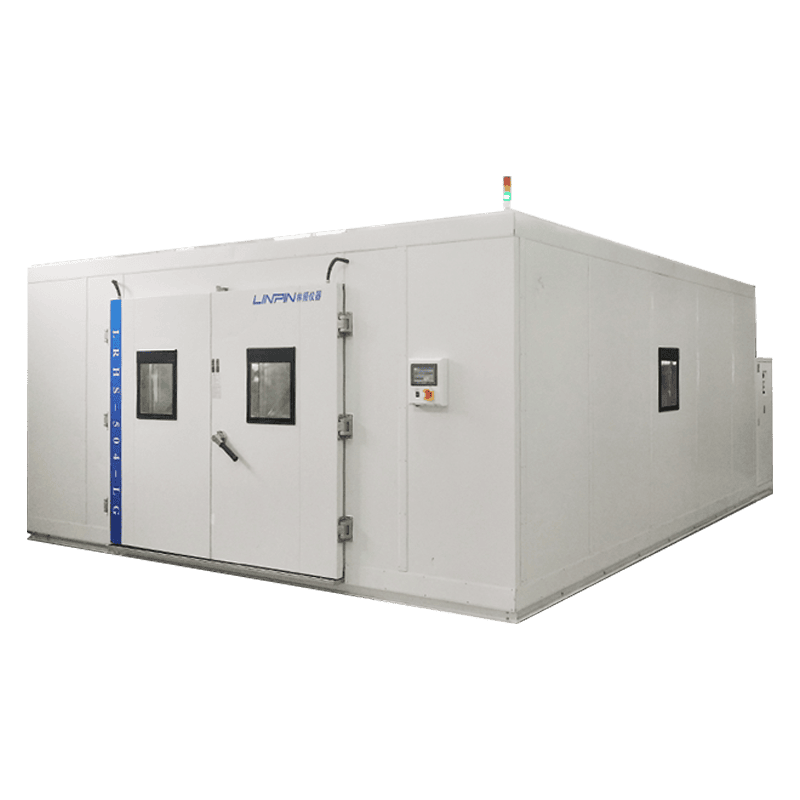
4000-662-888| Model | Studio Size (D*W*H)mm | Dimension(D*W*H)mm | |
| LRHS-8800-DYX | 1450×3200×1900 | 1820×3980×2194 | |
| temperature range | RT+10℃~100℃ | ||||||
| Temperature uniformity | ≤2%℃ (at no load) | ||||||
| Temperature fluctuation | ±0.5℃ (at no load) | ||||||
| air exchange | 1-20 times/hour adjustable | ||||||
| air exchange time | 1M~99H(adjustable) | ||||||
| Ventilation | Manually controlled ventilation | ||||||
| Outer case material | High-quality cold-rolled steel plate, surface plastic spraying treatment | ||||||
| Inner box material | Made of high quality stainless steel (SUS304) | ||||||
| Insulation material | Rigid polyurethane foam + fiberglass | ||||||
| Controller | Adopting Japan “UEC” brand temperature meter, 7-inch high-definition true-color LCD touch screen display | ||||||
| temperature sensor | High Accuracy Pt100 Platinum Resistance Temperature Sensors | ||||||
| reserved interface | Can be filled with nitrogen and oxygen | ||||||
| pressure relief port | With mechanical pressure relief port | ||||||
| security protection | Fan motor overheating, over-temperature protection, overall equipment under-phase/reverse-phase, overall equipment timing, leakage protection | ||||||
| Supply Voltage | AC380V±10% 50Hz | ||||||
| Power | 25.0kW | ||||||








Copyright © 2025 Shanghai Linpin Instrument Co., Ltd Copyright
| ICP Number:Shanghai ICP Record No. 12029585-7
| Sitemap






 EN
EN
 中文
中文 Pусский
 Tiếng Việt
 ภาษาไทย
 پاکستانی زبان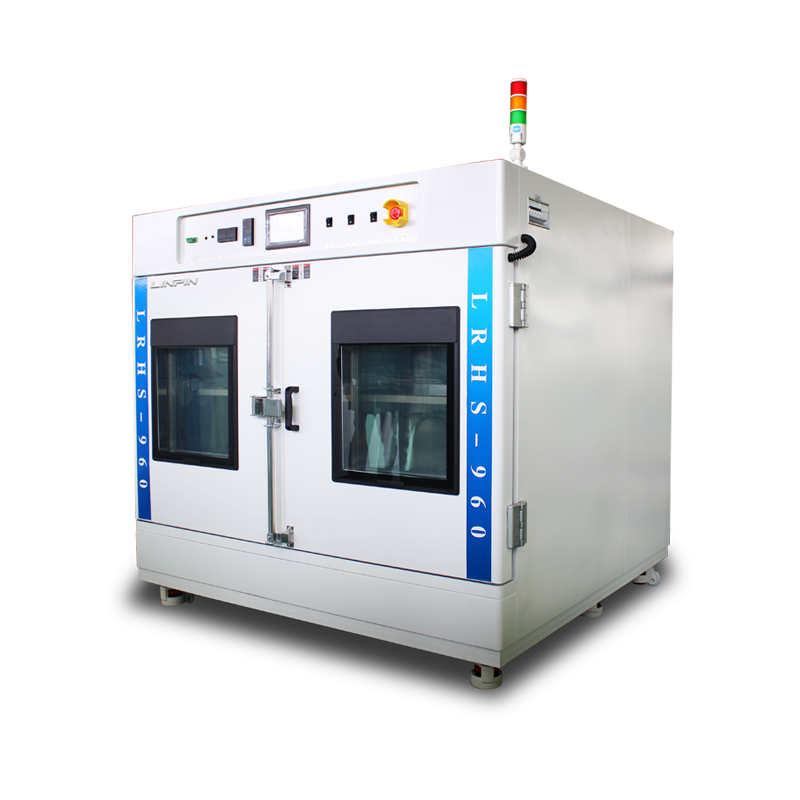
组件紫外试验箱.png)