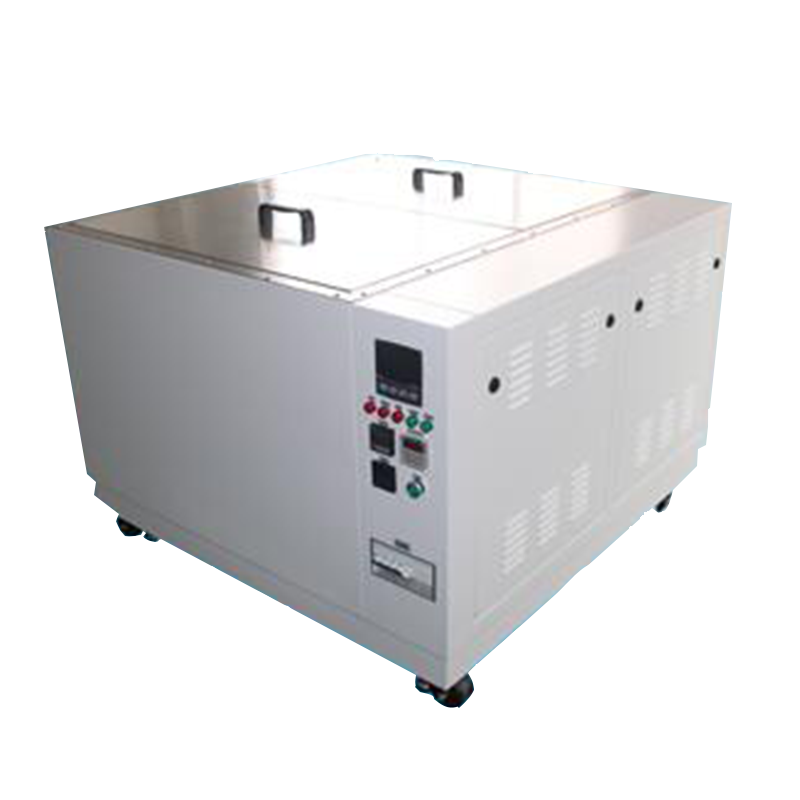
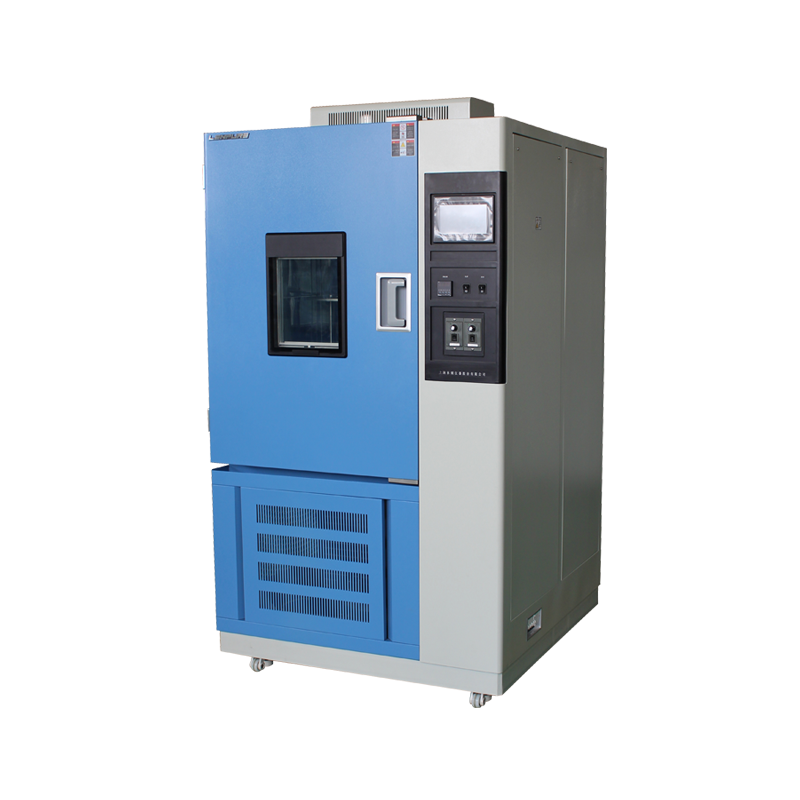
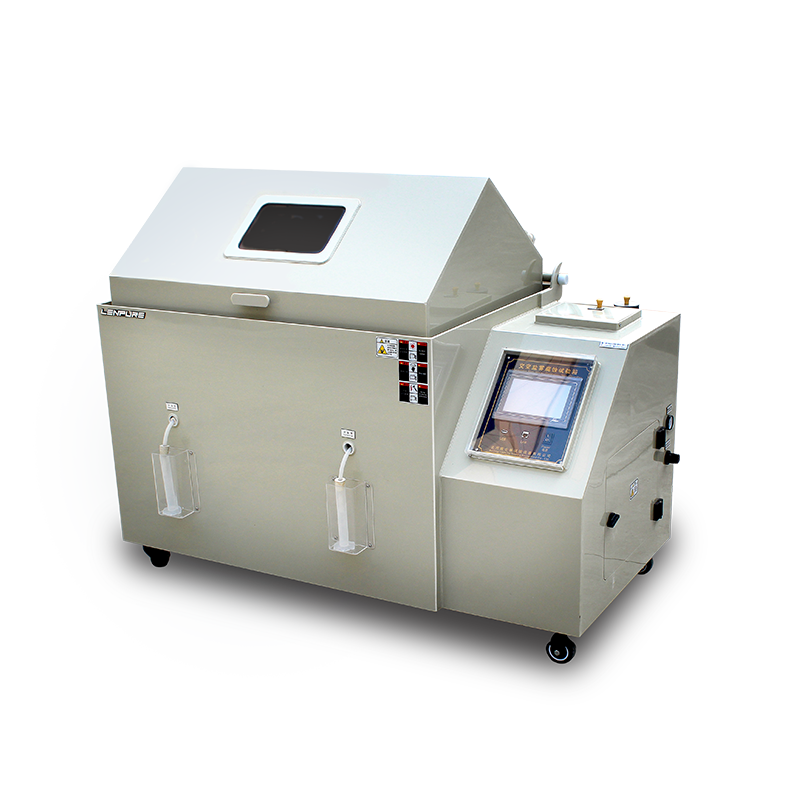
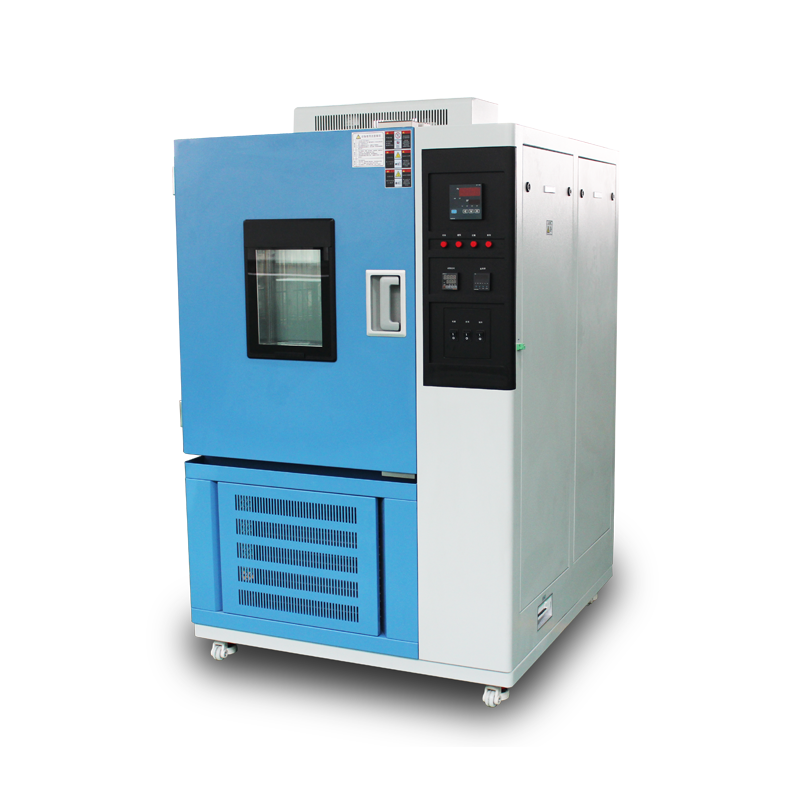
A thermal shock test chamber is designed to evaluate the performance changes of materials when subjected to alternating extreme high and low temperatures within a short period. Currently, this equipment is widely used for testing in fields such as electronic devices, plastic products, and metallic materials. Given that the equipment primarily focuses on the performance changes induced by thermal expansion and contraction of test specimens, certain materials are not suitable for testing using such devices. Specifically, the following materials should not be tested in a thermal shock test chamber:
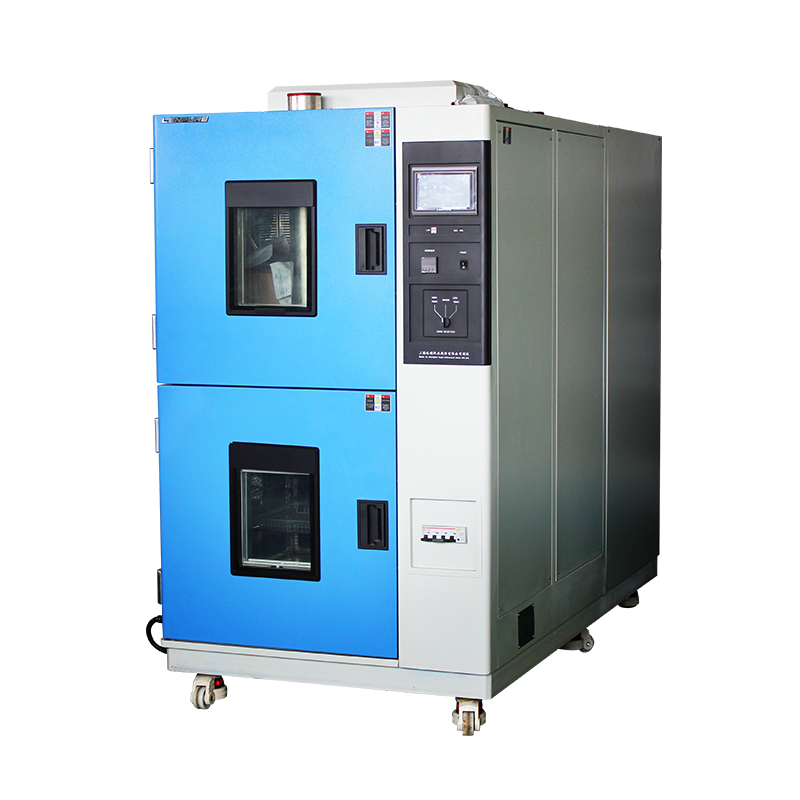
Explosives are strictly prohibited from being tested in a thermal shock test chamber. Due to the high risk of explosion under specific conditions, using such equipment for testing explosives poses extreme safety hazards. Common explosives include explosive nitrates (such as nitroglycerin, nitroglycerol, nitrocellulose, etc.) and nitro compounds (such as trinitrotoluene, trinitrobenzene, trinitrophenol, etc.).
Flammable materials are also not suitable for testing in a thermal shock test chamber. Based on their ignition points, flammable materials can be categorized into the following five types:
Flammable materials with ignition points above 30℃, such as coal, gasoline, turpentine oil, isoamyl alcohol, and acetic acid, etc.
Flammable materials with ignition points between 0℃ and 30℃, including alcohols, dimethyl ether, and ethyl acetate, etc.
Flammable materials with ignition points between -30℃ and 0℃, such as ethane, ethylene, acetone, benzene, and methyl ketone, etc.
Flammable materials with ignition points below -30℃, for example, ethanol, gasoline (repeated here for structure consistency), acetaldehyde, propylene, and carbon disulfide, etc.
Flammable gases that may ignite under conditions of 15℃ and 1 atmosphere of pressure, such as hydrogen, acetylene, ethylene, methane, ethane, propane, and butane, etc.
Although some combustible materials do not fall under the category of highly flammable items, due to the potential safety hazards caused by rapid temperature changes in a thermal shock test chamber, these combustible materials are also not suitable for testing using the equipment. Specific combustible materials include lithium, potassium, sodium, yellow phosphorus, phosphorus sulfide, calcium phosphate, red phosphorus, aluminum powder, calcium carbide, magnesium powder, and sodium bisulfite, etc.
Additionally, a thermal shock test chamber is not suitable for testing certain oxidizing substances. These substances include chlorates (such as potassium chlorate, sodium chlorate, ammonium chlorate, etc.), hypochlorites (such as potassium nitrate, sodium nitrate, and other nitrates; potassium hypochlorite, etc.), peroxy acids (such as potassium peroxyacid, sodium peroxyacid, ammonium peroxyacid, etc.), and inorganic peroxides (such as potassium peroxide, sodium peroxide, barium peroxyacid, etc.).


25.03






Copyright © 2025 Shanghai Linpin Instrument Co., Ltd Copyright
| ICP Number:Shanghai ICP Record No. 12029585-7
| Sitemap






 EN
EN
 中文
中文 Pусский
 Tiếng Việt
 ภาษาไทย
 پاکستانی زبان