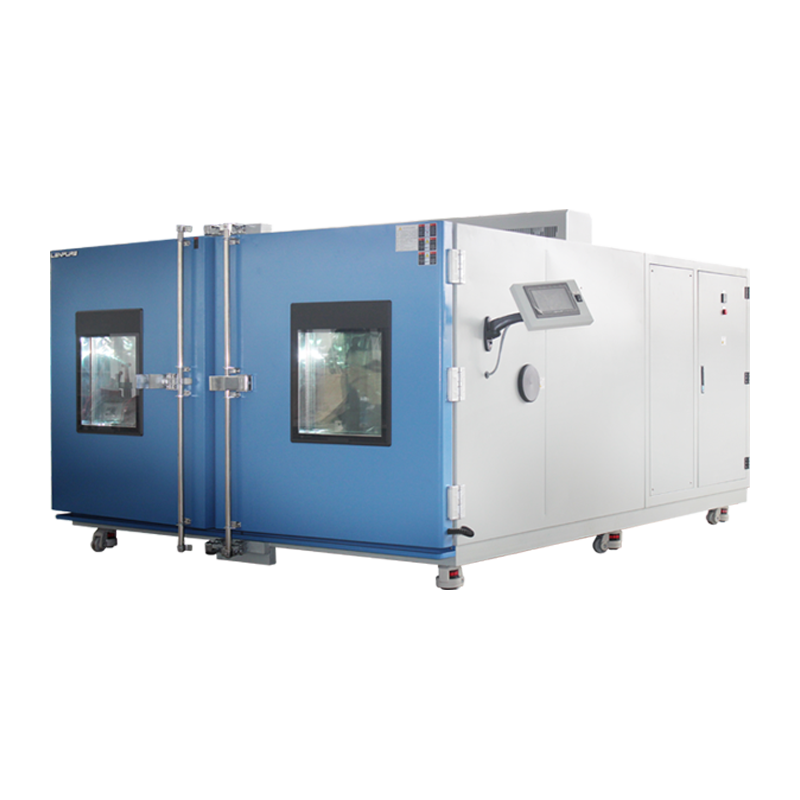
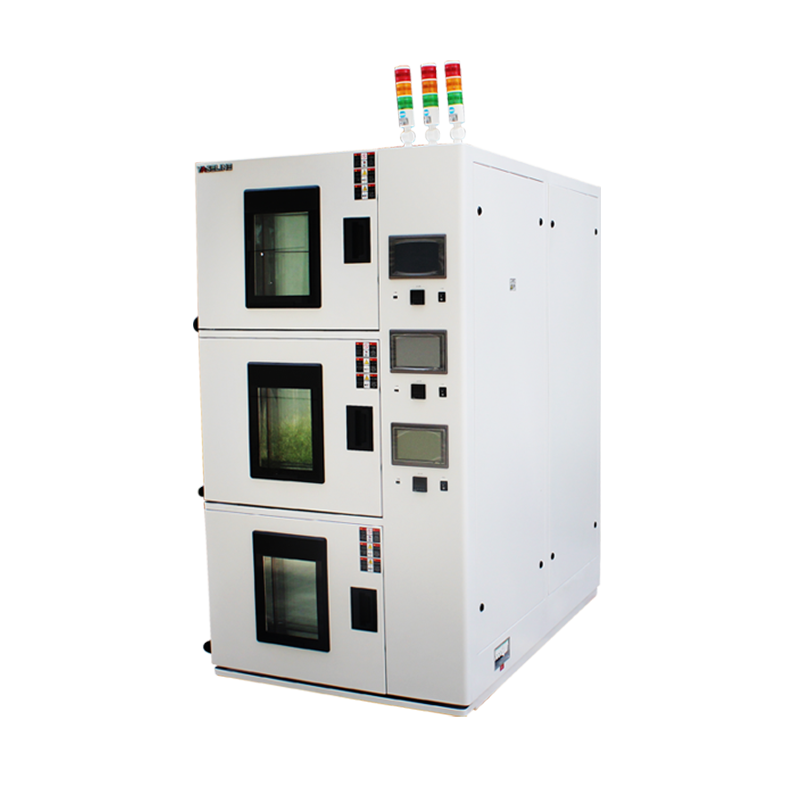
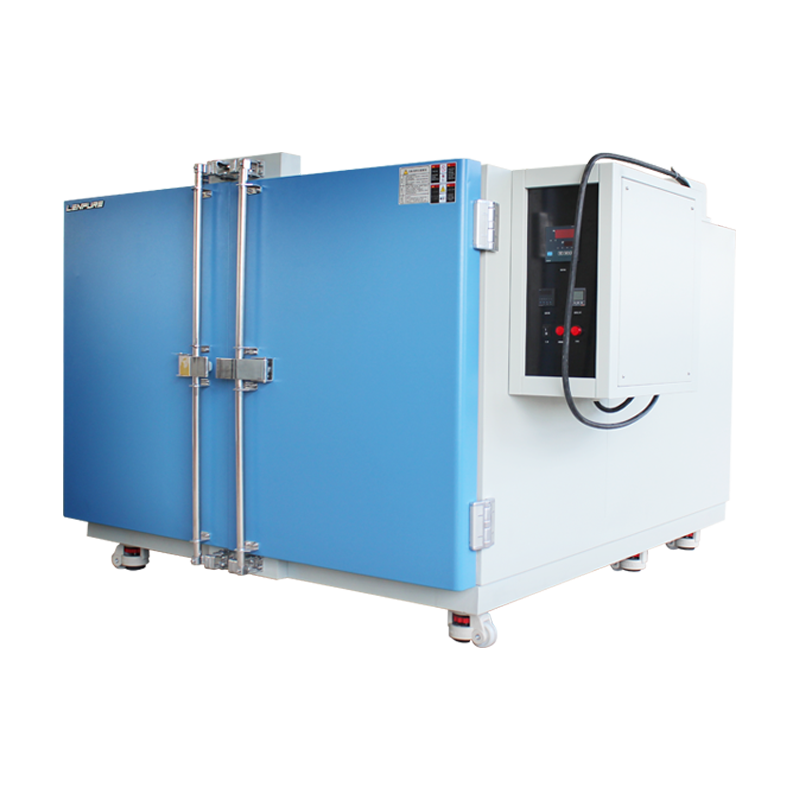
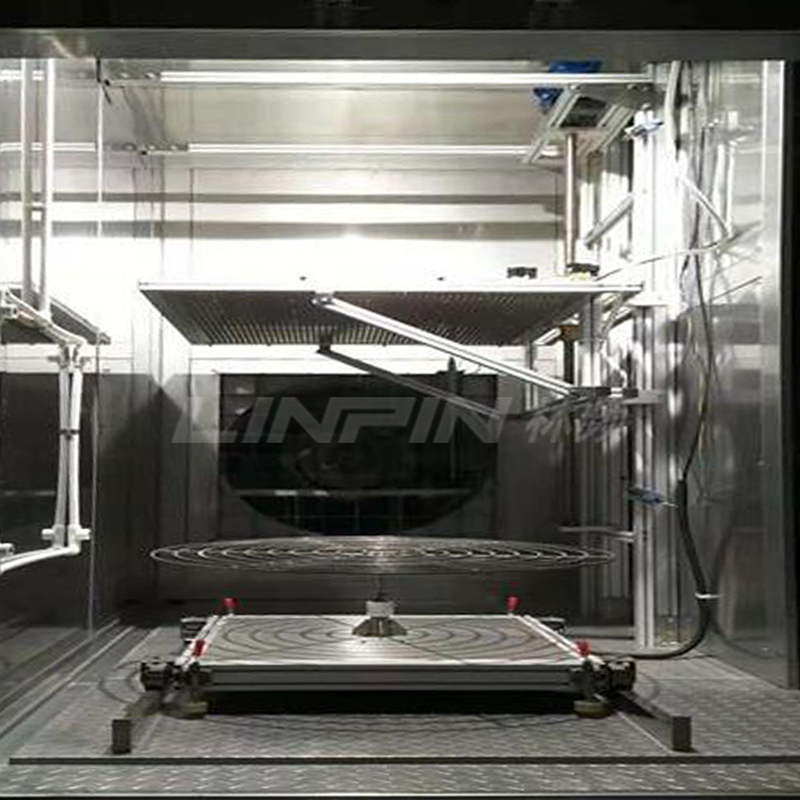
High and low temperature alternating test chambers actually come in various structural designs. No device is perfect, but each has its own set of advantages and disadvantages. Today, I will review the pros and cons of four different structural designs of these test chambers.
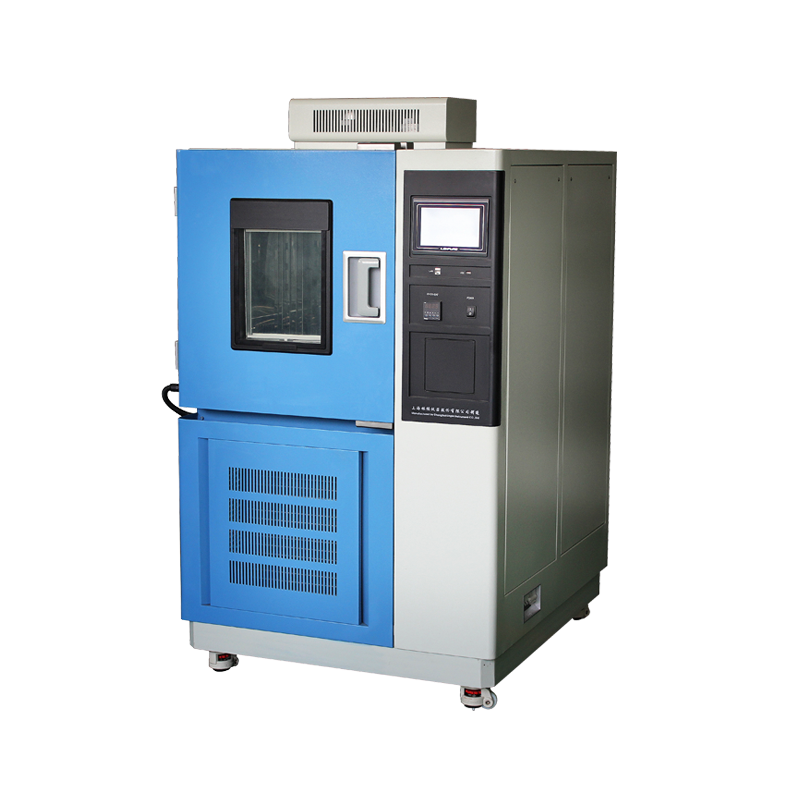
Single-chamber Test Chamber: As the name suggests, this high and low temperature alternating test chamber conducts both high and low temperature conversions within the same chamber. The advantage of this device is that the external environment has minimal impact on the temperature of the test specimens because the temperature conversion occurs within the same unit, allowing the samples to remain stationary without the need for device transfer. The disadvantage is that temperature control can be challenging. This is because the device needs to both heat and cool the test specimens during temperature transitions, while also heating and cooling the chamber structure itself. Consequently, it requires significant heating and cooling capacities, and the temperature conversion speed is relatively fast, making temperature control difficult.
Horizontal Two-chamber Test Chamber: This structural design involves transferring test specimens between a low-temperature chamber and a high-temperature chamber for testing. The advantage of this type of device is that temperature control is relatively easy due to the reduced heating and cooling requirements. The disadvantage is that, although test specimens are transferred using a transfer mechanism, they still need to be moved between two chambers of the same size, making them susceptible to external environmental influences.
Left-right Moving Test Chamber: In fact, this product is a two-chamber test device with left and right chambers, where test specimens are transferred between the high and low temperature chambers via a moving frame. The advantages of this device include minimal heating and cooling requirements, fast specimen transfer, and relatively easy temperature control. The disadvantage is that test specimens are more prone to external environmental influences during the transfer process.
Up-down Lifting Test Chamber: This test device utilizes an upper and lower two-chamber design, where test specimens are transferred between the high and low temperature chambers via a lifting frame. The advantages and disadvantages of this device are similar to those of the left-right moving device.
These are the four structural designs of high and low temperature alternating test chambers. Customers can choose the most suitable device based on their advantages and disadvantages, combined with the testing requirements of their own samples.


25.03





Copyright © 2025 Shanghai Linpin Instrument Co., Ltd Copyright
| ICP Number:Shanghai ICP Record No. 12029585-7
| Sitemap






 EN
EN
 中文
中文 Pусский
 Tiếng Việt
 ภาษาไทย
 پاکستانی زبان