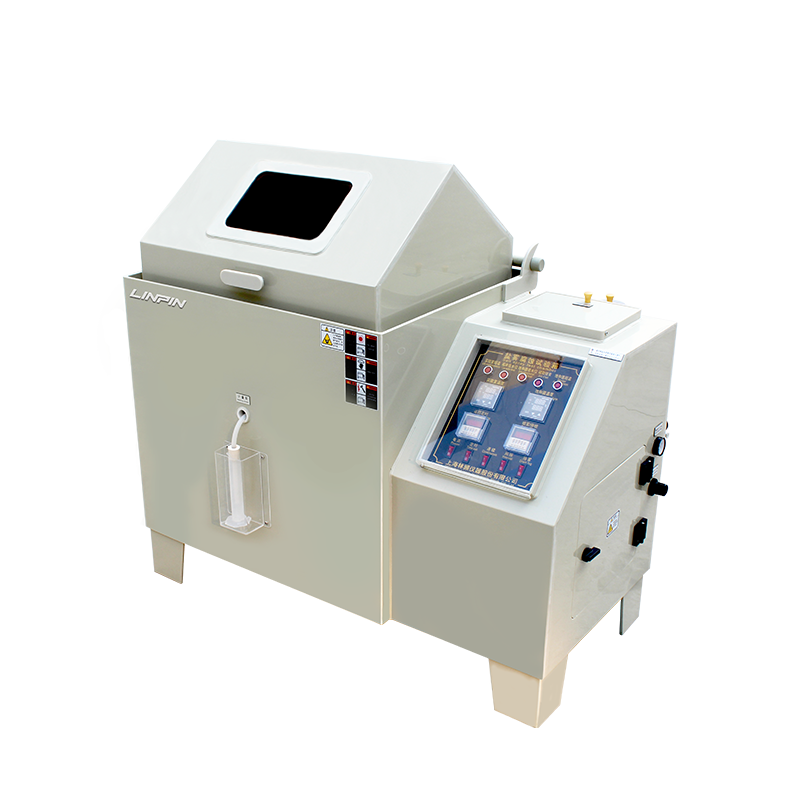
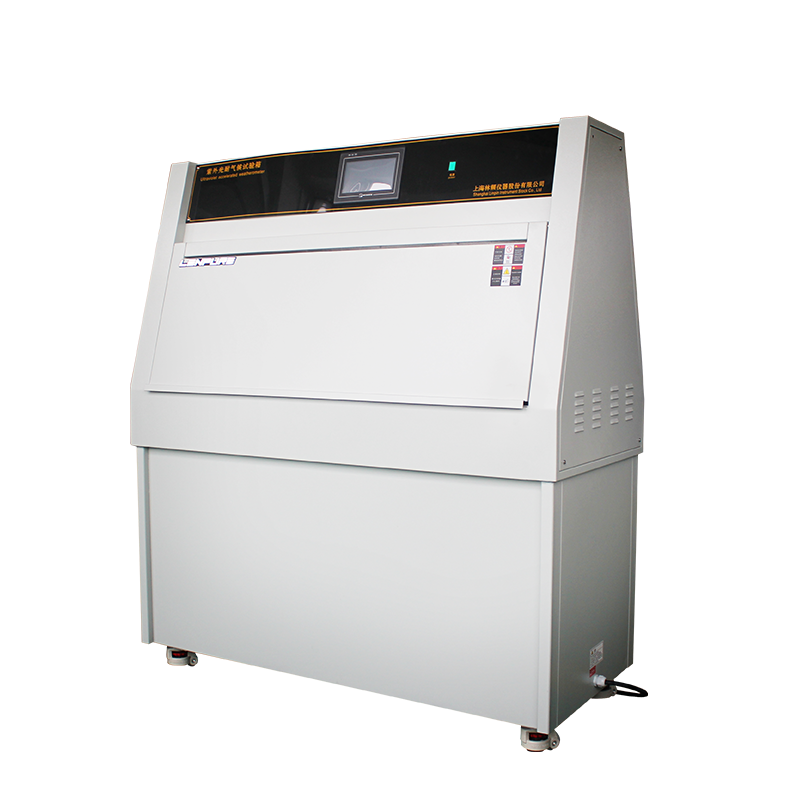
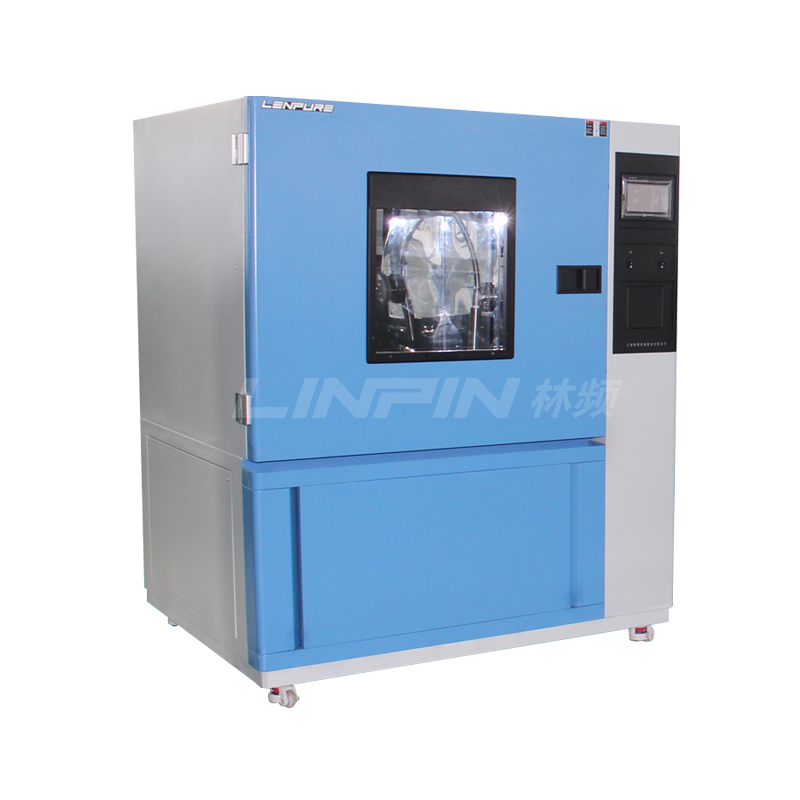
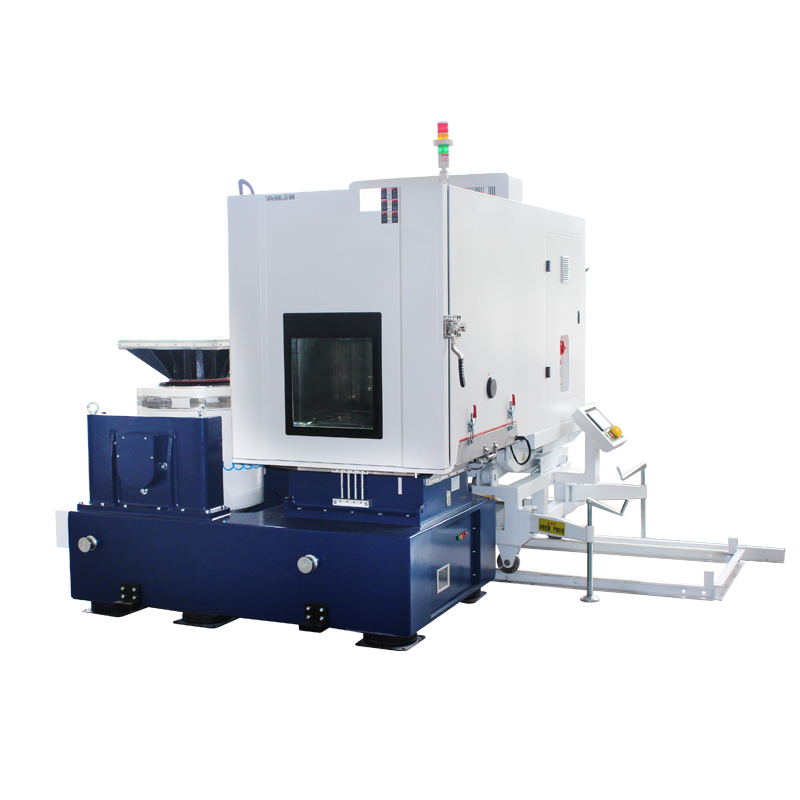
With technological advancements, high-low temperature humidity test chambers play an extremely important role in fields such as electronic and electrical engineering, automotive and home appliances, components, LED, coatings, and telecommunications. By placing products or materials in various temperature and humidity environments, these chambers test the moisture resistance and dryness resistance of products or materials, serving as a type of product adaptability test.
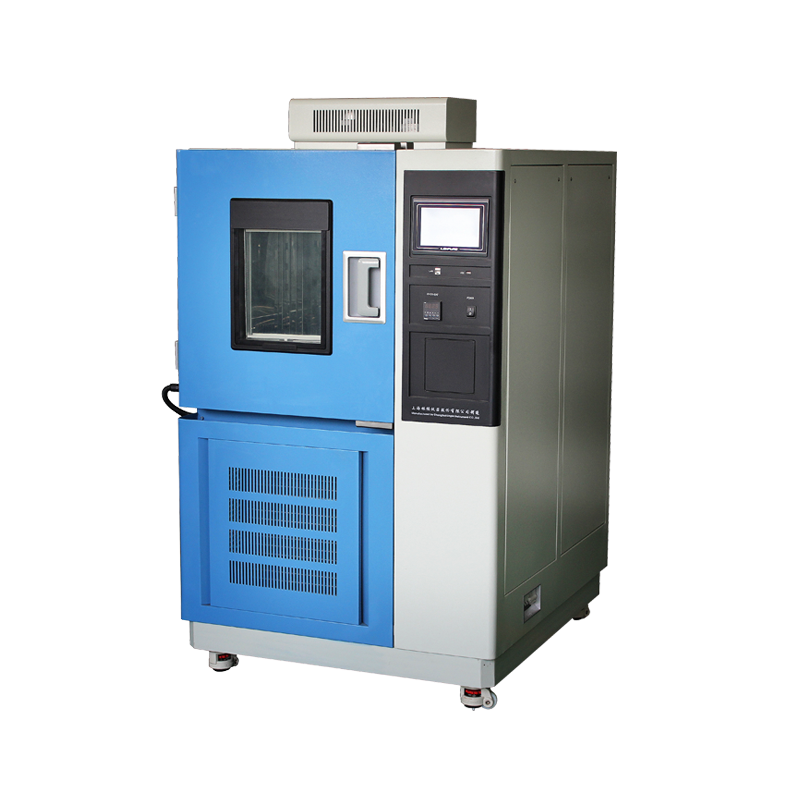
The smooth operation of heating and cooling in high-low temperature humidity test chambers relies primarily on the coordination of circulating fan systems, condenser fans, and other equipment. During testing, when the ambient temperature exceeds the temperature of the test product, the water vapor generated during heating will condense into droplets—what we commonly refer to as condensation. Additionally, when the test reaches the alternating humidity and heat cooling phase, the inner wall of the sealed casing cools faster than the interior, which can also result in condensation phenomena.
When conducting tests using the test chamber, how should we handle condensation if it occurs in the testing equipment or the product under test?
During testing, high-temperature drying can be employed to convert moisture in the evaporator, air ducts, and other locations within the chamber into water vapor, which is then expelled under the action of dry air. While strengthening sealing performance, insulation materials can also be placed at the bottom of the equipment to isolate the base from the interior, reducing moisture formation. Dehumidifiers can also be utilized according to environmental conditions to achieve low-humidity control.
During testing, introducing cold air into the test chamber interior and replacing the humid air is also a viable “dehumidification” method. This is a relatively common humidity control approach and one of the solutions for addressing condensation. Furthermore, substances with strong hydrophilic properties such as activated carbon or desiccants can be placed inside the chamber to adsorb moisture.
After testing, by reducing the heating rate and minimizing the temperature difference between the test product and the air inside the chamber, condensation on the surface of the test product can be significantly reduced.
Changes in temperature and humidity conditions may lead to condensation phenomena inside high-low temperature humidity test chambers. It is important to note that whether condensation occurs on the product surface or inside the chamber, it can potentially damage the test product. Therefore, we must regularly inspect the equipment to prevent condensation. If condensation does occur, it should be addressed promptly to avoid greater losses.








Copyright © 2025 Shanghai Linpin Instrument Co., Ltd Copyright
| ICP Number:Shanghai ICP Record No. 12029585-7
| Sitemap






 EN
EN
 中文
中文 Pусский
 Tiếng Việt
 ภาษาไทย
 پاکستانی زبان