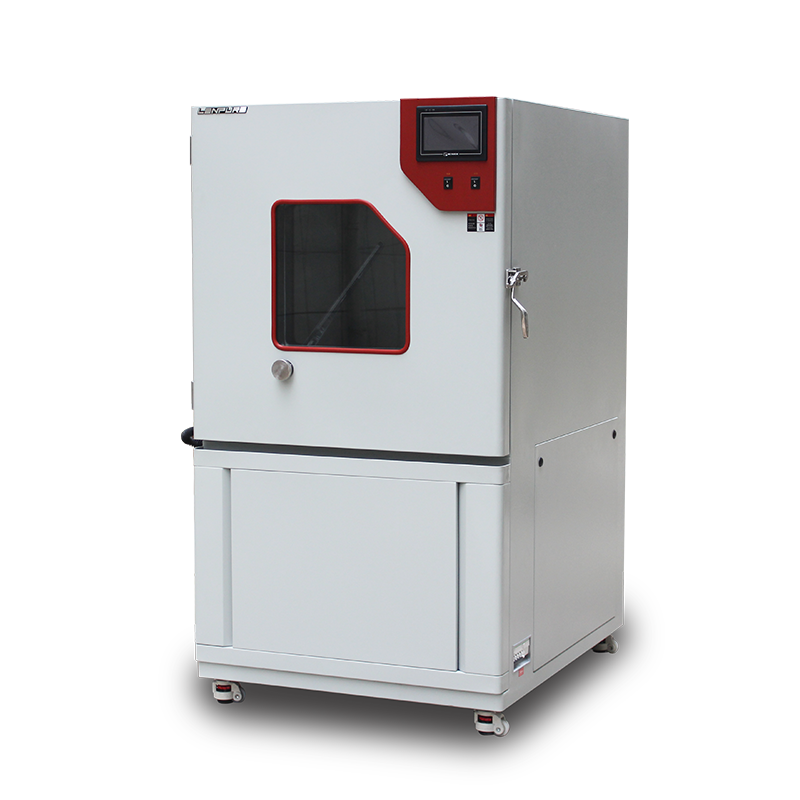
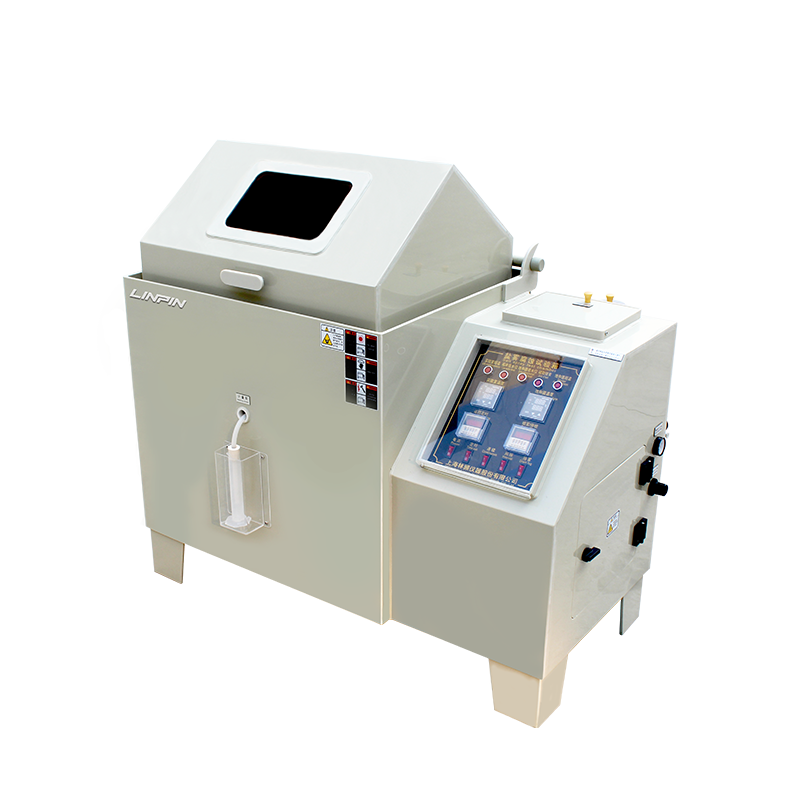
The preparation of the salt solution plays a crucial role in determining the test speed of the salt spray test chamber. What are the typical concentration and pH value of the salt solution used in the equipment during normal tests? Today, I’d like to discuss this topic with you.
I. The Impact of Salt Solution Concentration in a Salt Spray Test Chamber on the Test: The concentration of the salt solution significantly affects the corrosion rate of test specimens.
① When the salt concentration in the salt solution is ≥5%, the corrosion rates of brass, iron, steel, and nickel show an opposite trend with increasing concentration. This is because when the salt concentration reaches 5%, the oxygen content in the salt solution becomes saturated. As the salt concentration further increases, the oxygen content in the solution decreases, leading to a reduction in the oxygen depolarization ability of the solution and a weakening of its corrosive effect. Consequently, the corrosion rate of the test specimens also decreases.
② When the salt concentration is <5%, in this low-concentration salt solution, the oxygen content increases with the salt concentration. As the oxygen concentration in the salt solution rises, the corrosion rates of various metals accelerate accordingly.
II. The Impact of Salt Solution pH Value in the Equipment on the Test: The pH value of the salt solution, which refers to the hydrogen ion concentration index of the solution, has an effect on the test. A lower pH value of the salt solution indicates a higher hydrogen ion concentration, and the corrosiveness gradually increases with the acidity. When testing electroplated parts similar to Fe/Zn, the corrosiveness of the acetic acid salt spray test with a salt solution pH value of 3.0 is 1.5 to 2.0 times that of the test with a salt concentration (pH value between 6.5 and 7.2). Due to environmental factors and other influences, the pH value of the salt solution may change. Therefore, there are corresponding standards that regulate the pH value of the salt solution. During the test, staff should strive to maintain a stable pH value of the salt solution in the equipment to avoid affecting the test results.
In addition to the two influencing factors mentioned above during the salt spray test, other factors such as the spraying method of the equipment, temperature, and humidity also affect the test results. You may also want to have a brief understanding of these other factors.

25.05









Copyright © 2025 Shanghai Linpin Instrument Co., Ltd Copyright
| ICP Number:Shanghai ICP Record No. 12029585-7
| Sitemap






 EN
EN
 中文
中文 Pусский
 Tiếng Việt
 ภาษาไทย
 پاکستانی زبان