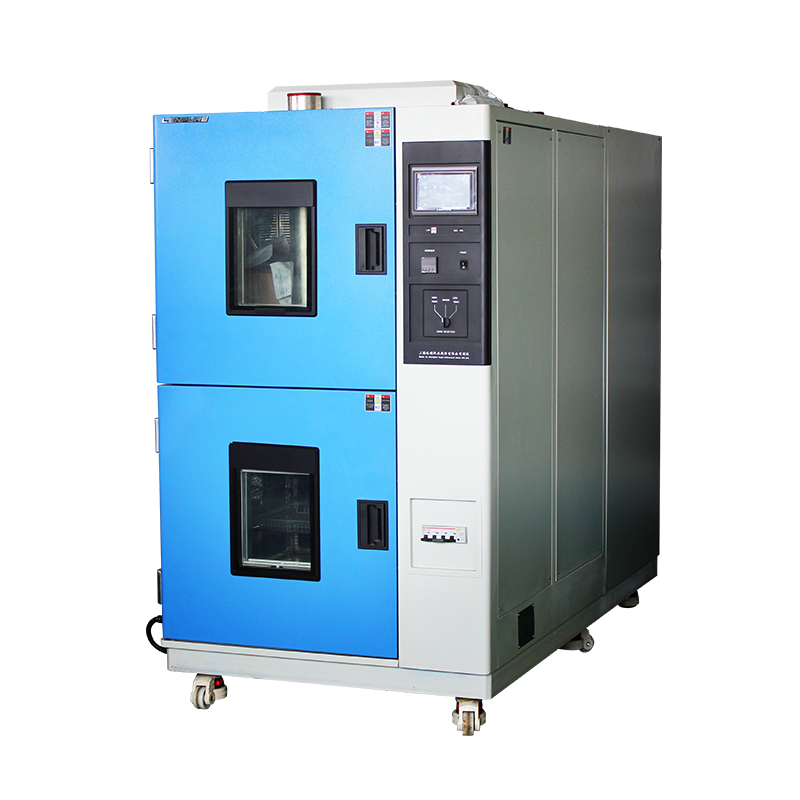
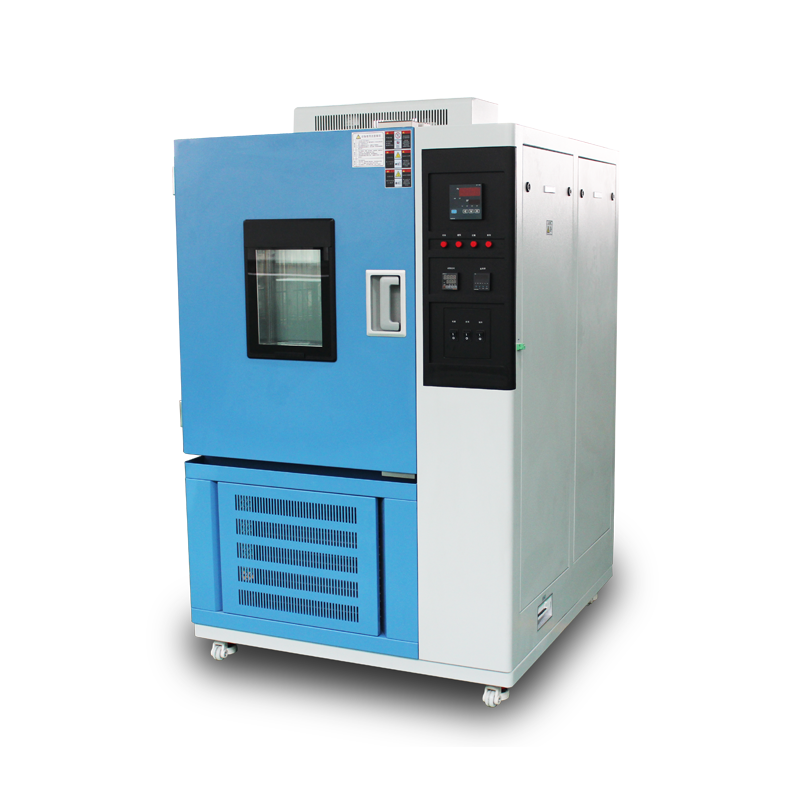
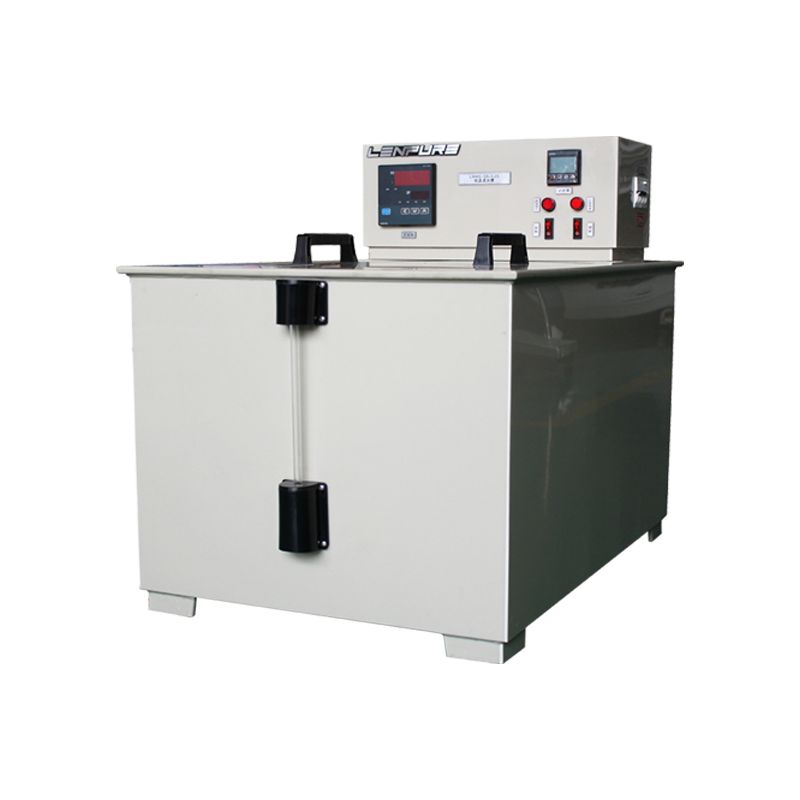
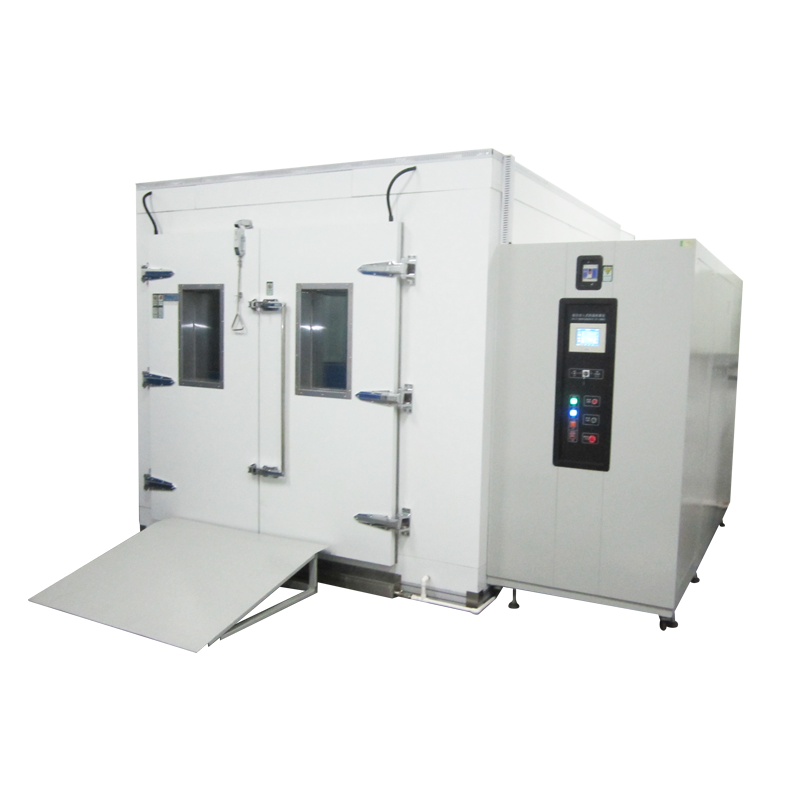
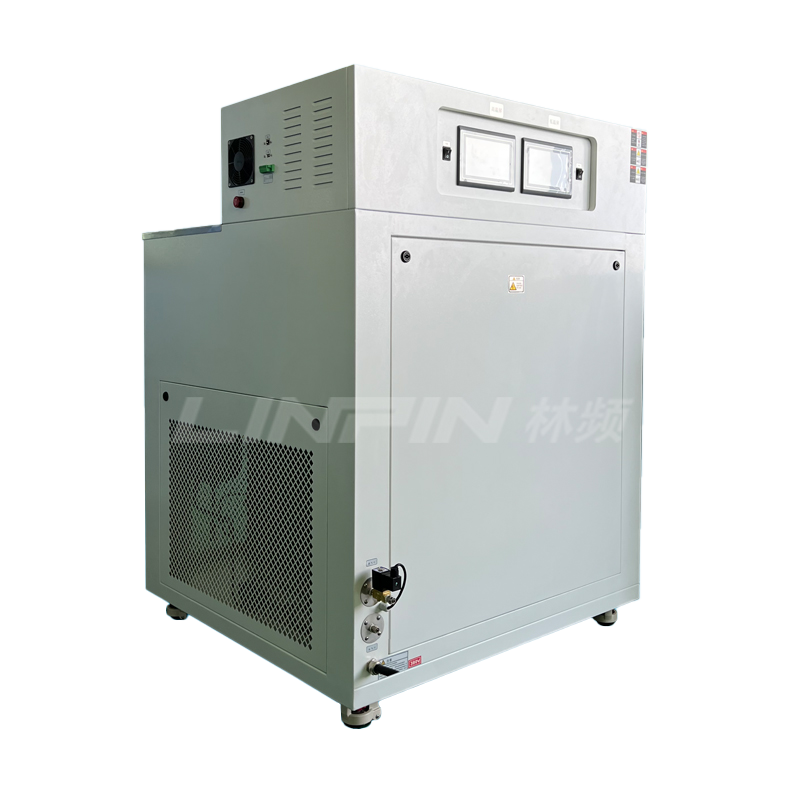
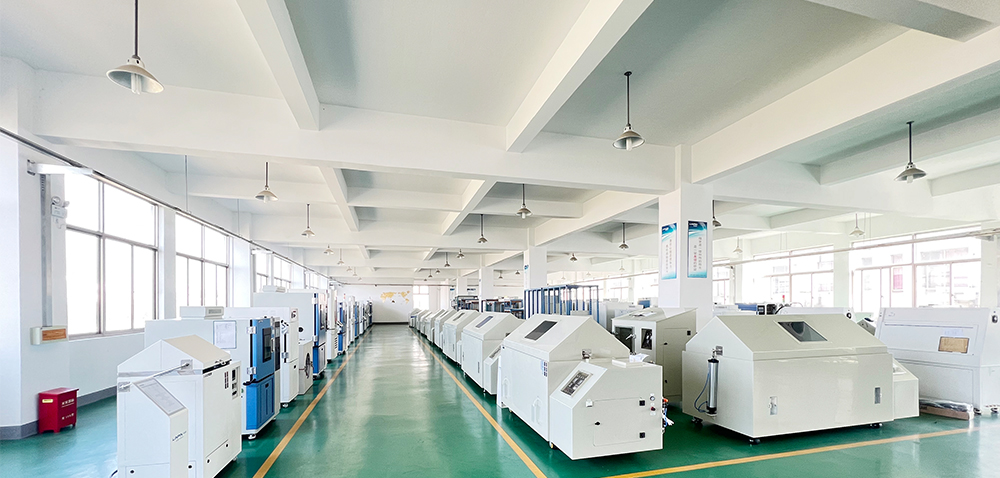
Recently, Linpin Instruments signed another contract with Shanghai Siemens for the environmental testing project at the high-voltage R&D center. According to the agreement, Linpin Instruments will be responsible for the project’s design, equipment manufacturing, packaging and transportation, installation, and commissioning, with a project timeline of 30 days.

Linpin Instruments believes that in an era of complexity, diversity, and rapid transformation, moving forward together is the key to achieving greater heights. The future requires not only the drive of individual entities but also the openness and collaboration of developmental resources, making latent value visible and connecting fragmented value chains to create new possibilities and value.
Shanghai Siemens High Voltage Switchgear Co., Ltd., established in 2001 and located at No. 299 Tianning Road, Minhang District, Shanghai, focuses on the development, design, and production of gas-insulated switchgear (above 52KV), mobile substations (above 52KV), gas-insulated transmission lines (above 52KV), and their components. It serves as Siemens’ product testing base in China. This project marks another collaboration between Linpin Instruments and Siemens, following successful projects with Schneider, NARI Group, XJ Group, and Kelin Electric. As a turnkey project, it represents another milestone in Linpin Instruments’ provision of environmental testing services to Fortune 500 companies.

Through perseverance and resilience, jade is polished into a gem. On every quiet and unspoken day, the Linpin team strives tirelessly to perfect every piece of environmental testing equipment, committed to doing what is “difficult yet right.” A grand blueprint has already unfolded, presenting both an opportunity and a challenge bestowed by the times. As long as we work together in synergy, we will undoubtedly forge a brilliant path forward.






Copyright © 2025 Shanghai Linpin Instrument Co., Ltd Copyright
| ICP Number:Shanghai ICP Record No. 12029585-7
| Sitemap






 EN
EN
 中文
中文 Pусский
 Tiếng Việt
 ภาษาไทย
 پاکستانی زبان