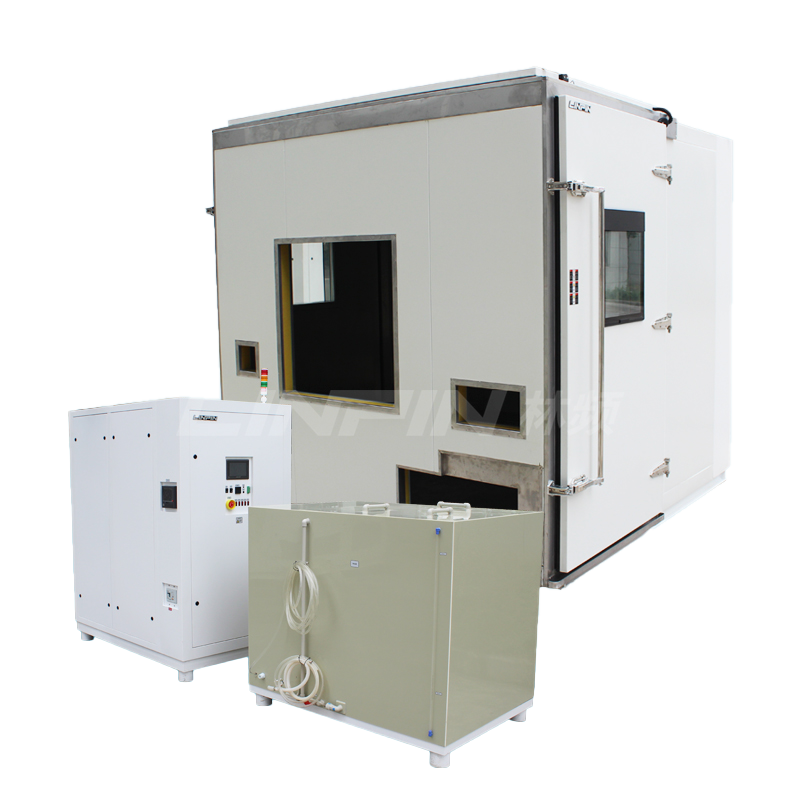
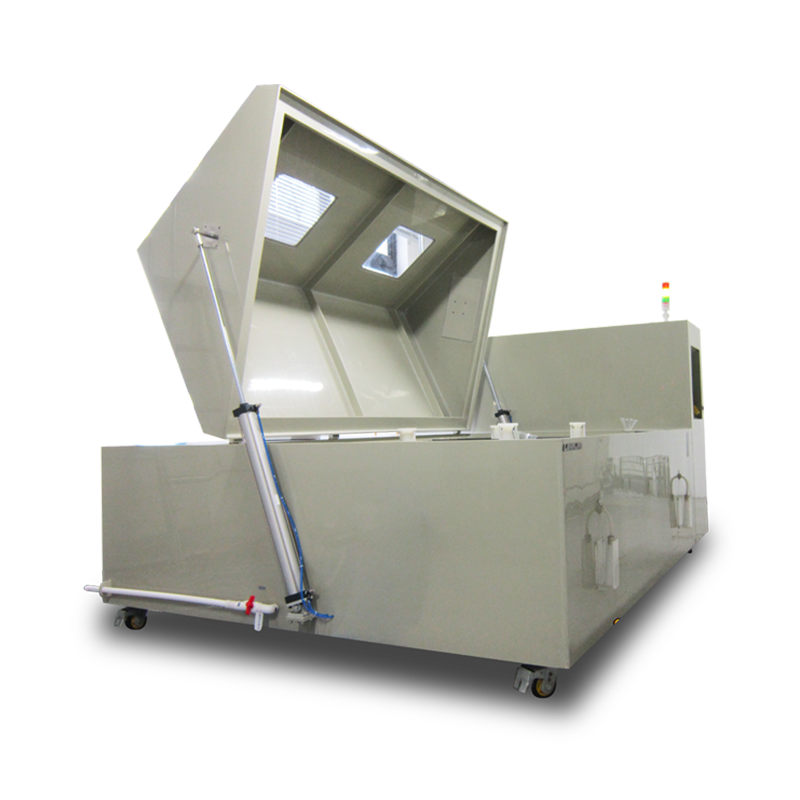
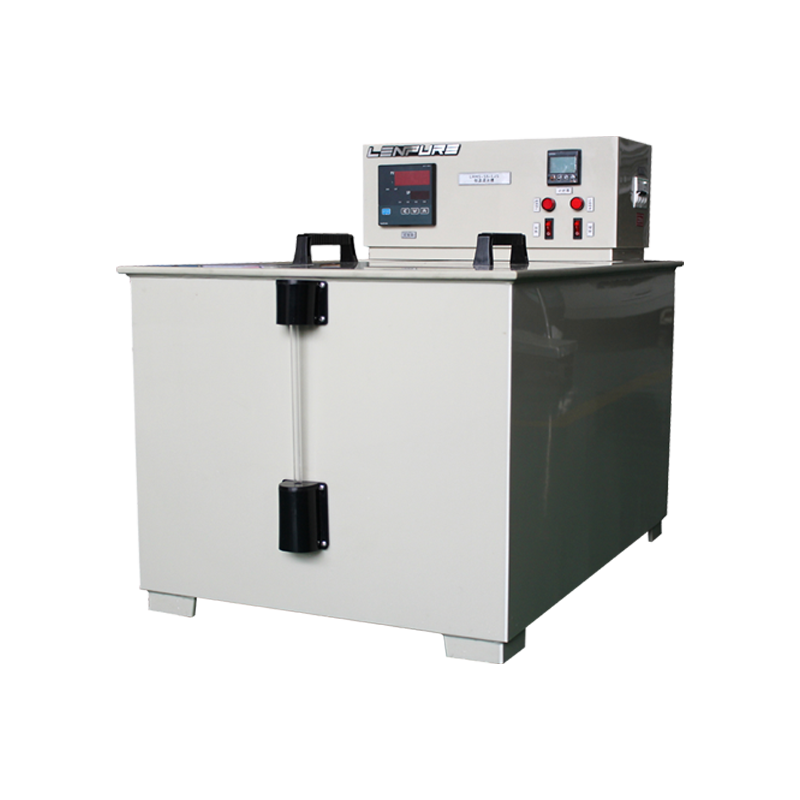
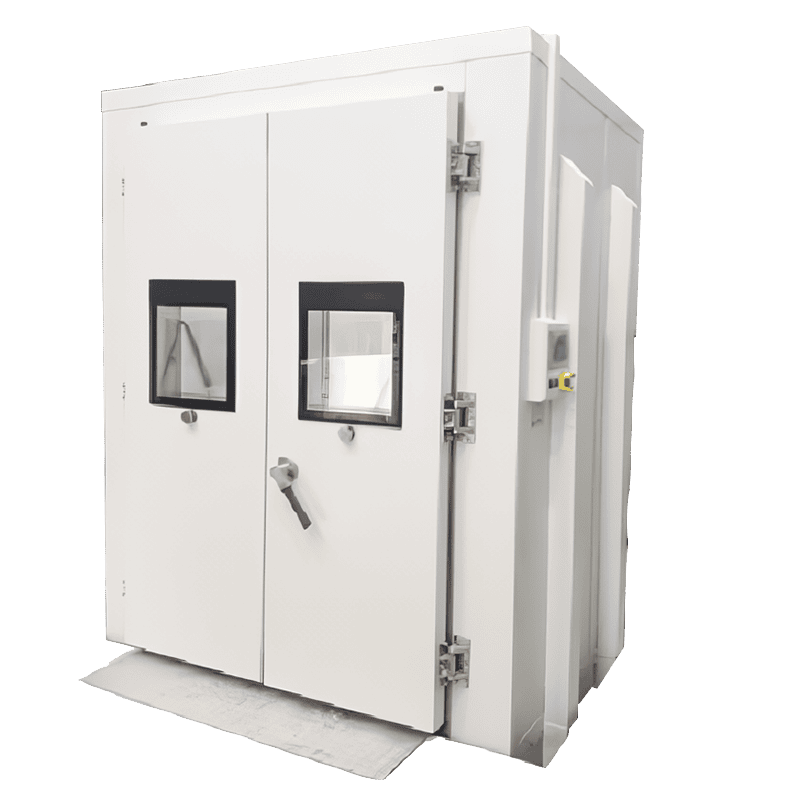
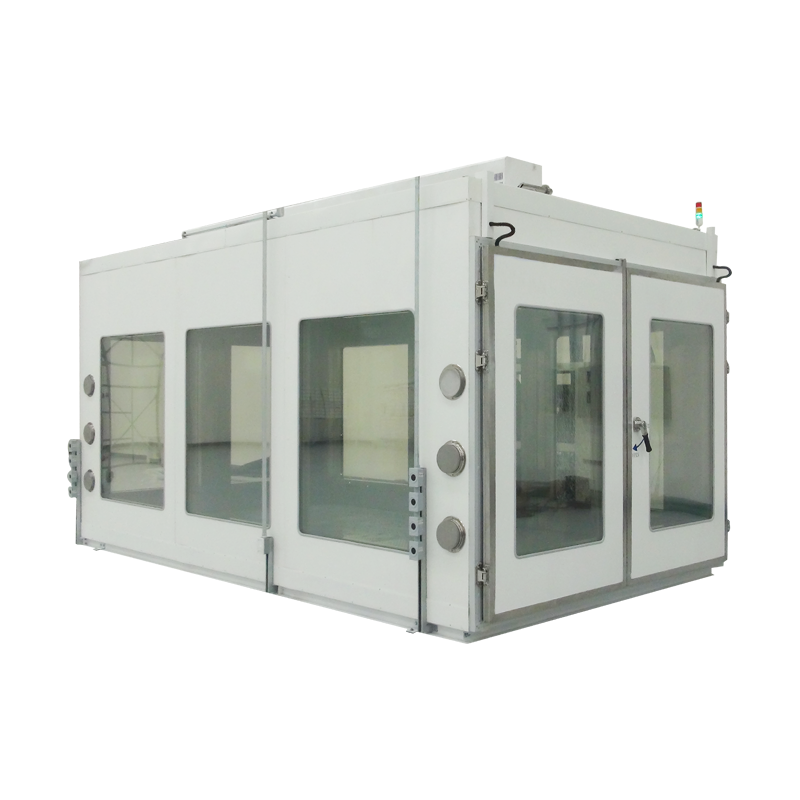
Many people still have questions about rain test chambers. Today, we’ll address a few of them.
1. What is a rain test chamber?
It is a device that simulates various water exposure environments (such as rainfall and spray tests) to evaluate the waterproof performance of different materials.
2. What performance aspects can this equipment test?
① The ability of protective casings or covers to prevent water ingress.
② Performance changes and potential damage to the equipment during rain exposure.
③ The effectiveness of the sample’s water drainage system.
3. Does the test water affect the results?
Yes, the water used for simulation impacts the test results because factors such as rainfall intensity, droplet size, water velocity, and the physical/chemical properties of the water can affect different types of equipment in varying ways.

4. What precautions should be taken when using the equipment?
Avoid placing flammable or explosive materials near the device.
Perform regular cleaning and maintenance, and replace any faulty or aged components promptly.
Maintain stable ambient temperature and humidity around the equipment.
5. What is the operating procedure for the rain test chamber?
Place the sample inside the chamber.
Power on the device and start the operation switch.
Set the swing pipe time and angle, then activate the run switch (the machine will begin operating).
Adjust the water flow to the required level.
Turn on the turntable switch and adjust its rotation speed.
After the test, first shut down the operation switch, then turn off the main power before opening the door to remove the sample.
6. What should I do if the equipment malfunctions?
After prolonged use, the rain test chamber may encounter issues. Typically, manufacturers provide training for operators in advance. If an abnormality occurs, the operator should first determine whether it is within an acceptable range or an actual malfunction. If it is a malfunction, follow the troubleshooting methods learned during training. If the issue persists, contact the manufacturer’s after-sales service for assistance.


25.03







Copyright © 2025 Shanghai Linpin Instrument Co., Ltd Copyright
| ICP Number:Shanghai ICP Record No. 12029585-7
| Sitemap






 EN
 中文
 Pусский
 Tiếng Việt
 ภาษาไทย
 پاکستانی زبان