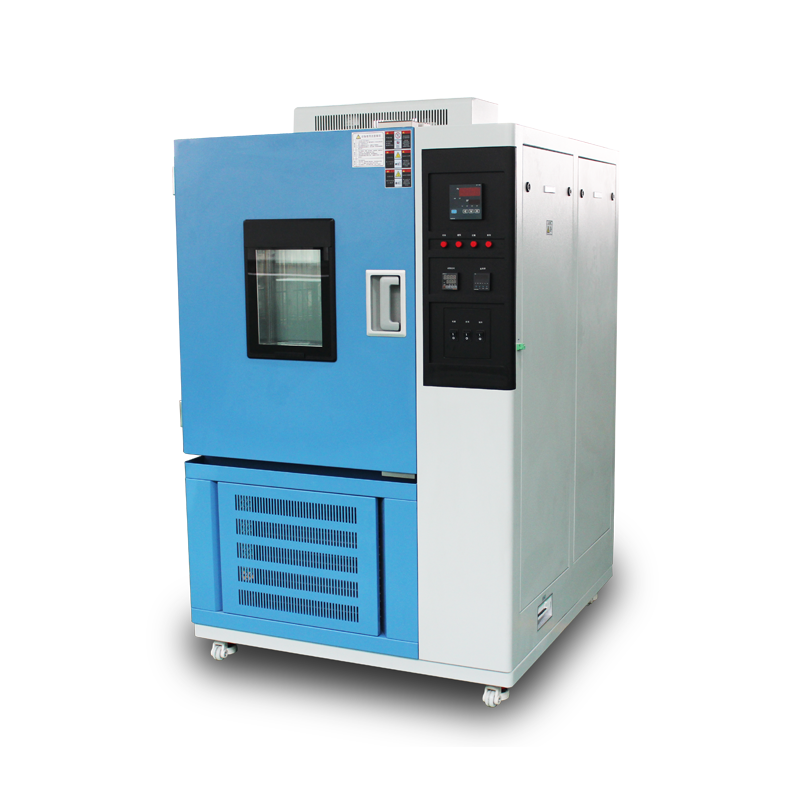
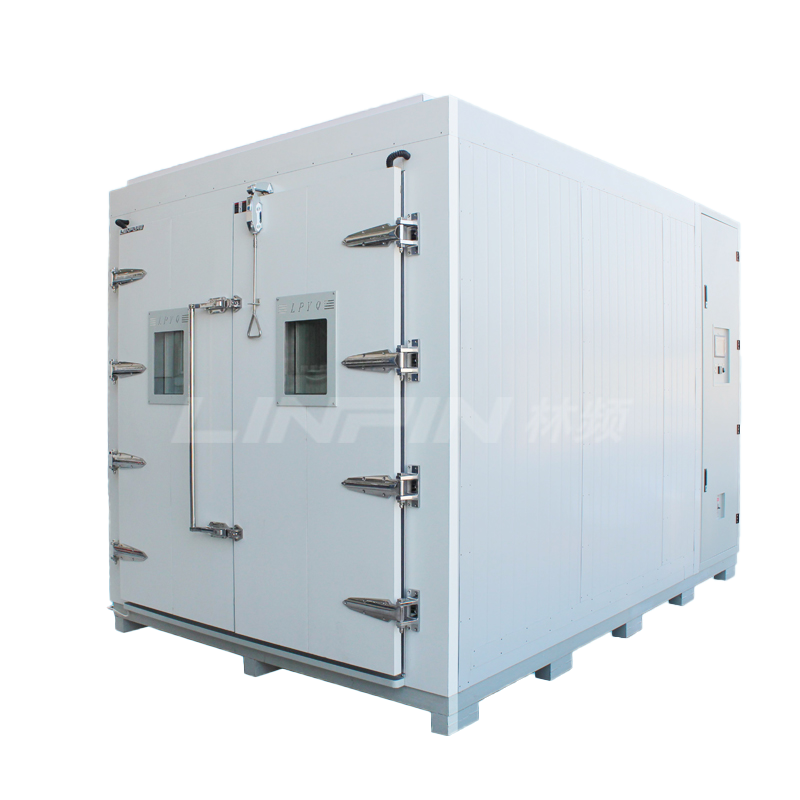
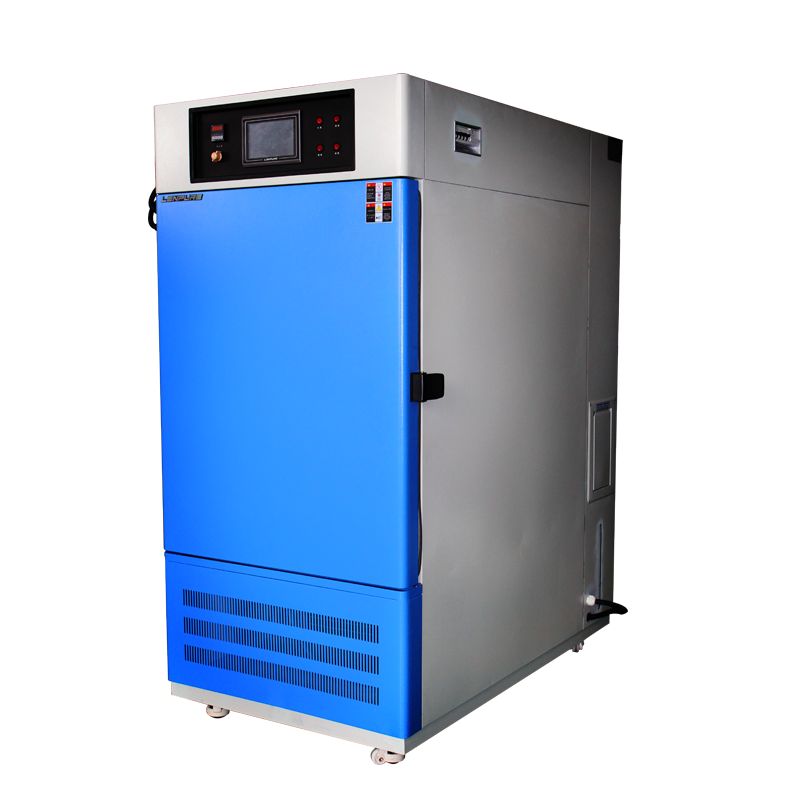
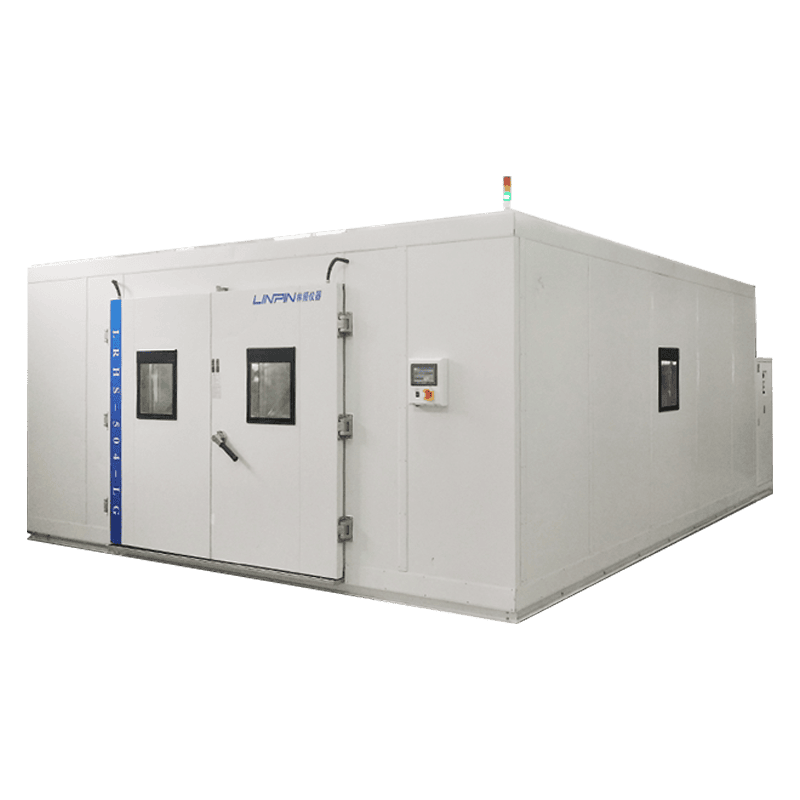
In the workshops of some enterprises, we often see a brand-new constant temperature and humidity test chamber that, after a short period of use, becomes covered in oil stains and dust. This is due to the operators’ lack of attention to daily cleaning during routine use. Most modern production lines implement the 6S on-site management model, which requires operators to maintain clean and hygienic equipment while performing daily processing tasks, thereby creating a beautiful and tidy production environment. So, what are the daily cleaning methods for each part of this equipment, and what should be paid attention to? This article will provide a detailed explanation.

The refrigeration system is the most critical part of this equipment, and the condenser is an essential component of this system. The condenser must be cleaned regularly; otherwise, accumulated dust may cause the machine’s protection system to issue false alarms. We can use a vacuum cleaner, brush, or high-pressure air nozzle to remove dust from the condenser’s heat dissipation net, ensuring it does not become clogged.
When the constant temperature and humidity test chamber is not in use, it should be kept clean and dry. After use, drain the water from the water tank and pipes, then wipe and dry the working chamber.
The exterior of the chamber and the electrical control room should also be dusted regularly. The exterior can be cleaned with detergent or soapy water, but avoid direct rinsing to prevent damage to the machine.
If the water in the humidifier is not changed regularly, it can accumulate dirt and breed bacteria. Therefore, it is best to change it monthly, and clean the humidifier tray thoroughly during the replacement.
The test cloth in the constant temperature and humidity test chamber can become hard or dirty after prolonged use, so it should also be cleaned regularly. It is generally recommended to replace it every three months. When replacing the test cloth, clean the test body as well.
A clean and tidy working environment is something everyone desires. Therefore, operators should develop good habits and clean the constant temperature and humidity test chamber as required, ensuring the equipment remains as good as new and functions effectively, while maintaining a neat and orderly working environment.









Copyright © 2025 Shanghai Linpin Instrument Co., Ltd Copyright
| ICP Number:Shanghai ICP Record No. 12029585-7
| Sitemap






 EN
EN
 中文
中文 Pусский
 Tiếng Việt
 ภาษาไทย
 پاکستانی زبان


组件紫外试验箱.png)