
Service Hotline
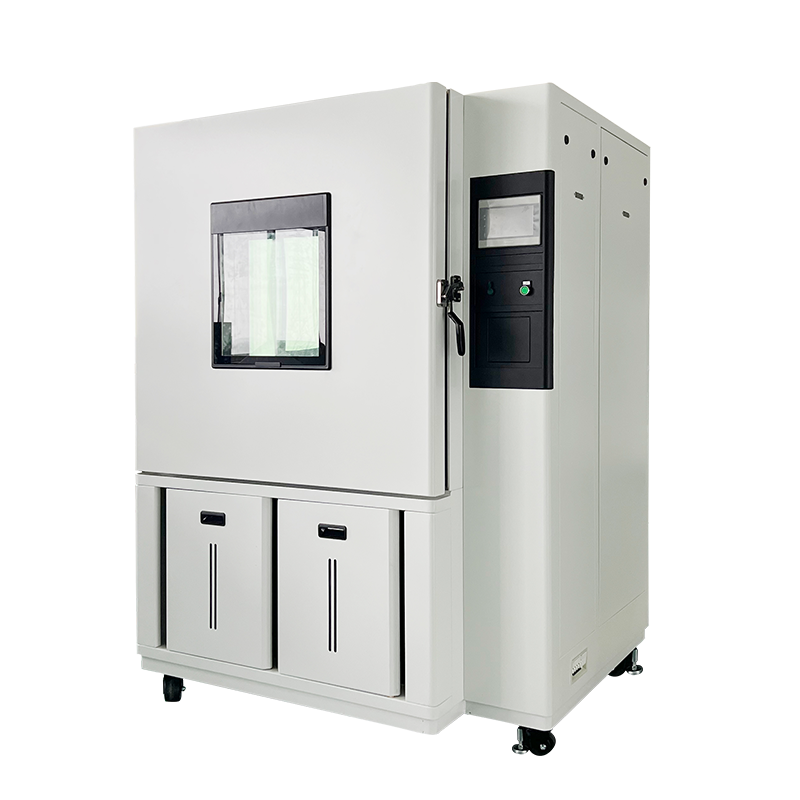
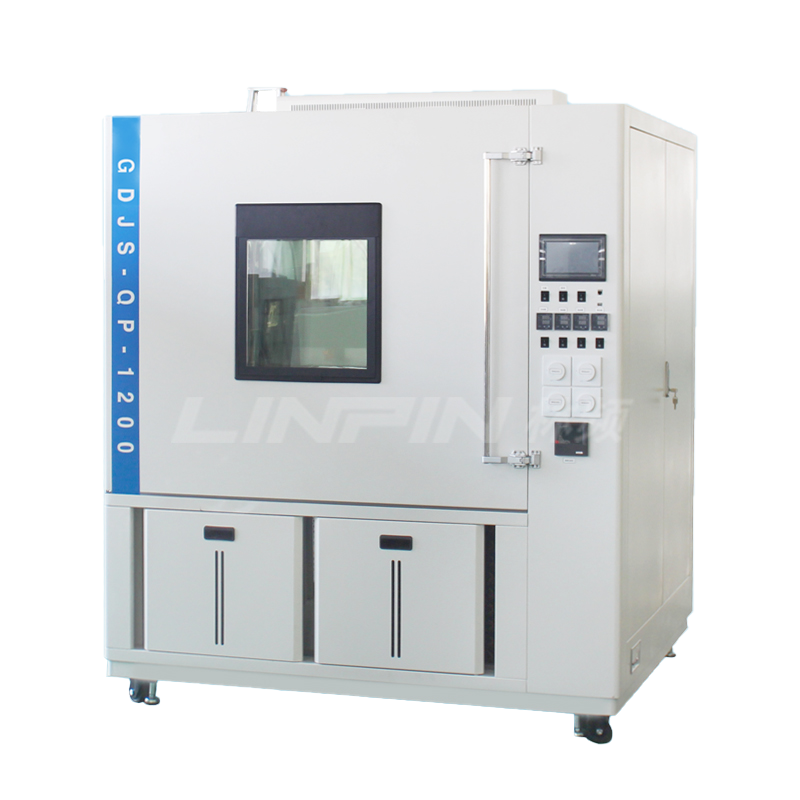
4000-662-888| Model | Studio Size (D*W*H)mm | Dimension(D*W*H)mm | |
| LRHS-1200-LQP | 1000×1200×1000 | 1452×1680×2130 | |
| Temperature range | 50℃~80℃ | ||||||
| Humidity range | 50%~98% RH | ||||||
| Heating rate | 25℃~80℃≤50min | ||||||
| Case Material | The inner box is made of 316 stainless steel plate, which can effectively prevent corrosion | ||||||
| Structural form | The left side of the test box box, the right side of the duct and control cabinet, the duct is equipped with humidifier tube, evaporator, heating tube, wind wheel and other devices, through the right side of the upper air, the lower back to form a wind road. | ||||||
| Controller | Adopting Japan “UMC” brand temperature meter | ||||||
| Temperature and Humidity Sensor | PT100 Platinum resistance thermometer | ||||||
| Humidifying method | Shallow Cao humidification method, customized titanium tube humidifier, effective corrosion protection | ||||||
| Safety | Over-temperature protection, fan motor overheating, equipment under-phase/reverse-phase, overall equipment timing, end-of-test indication, leakage protection, overload and short-circuit protection. | ||||||
| Supply Voltage | AC380V±10% 50Hz | ||||||
| Power | 10.5kW | ||||||







Copyright © 2025 Shanghai Linpin Instrument Co., Ltd Copyright
| ICP Number:Shanghai ICP Record No. 12029585-7
| Sitemap






 EN
EN
 中文
中文 Pусский
 Tiếng Việt
 ภาษาไทย
 پاکستانی زبان