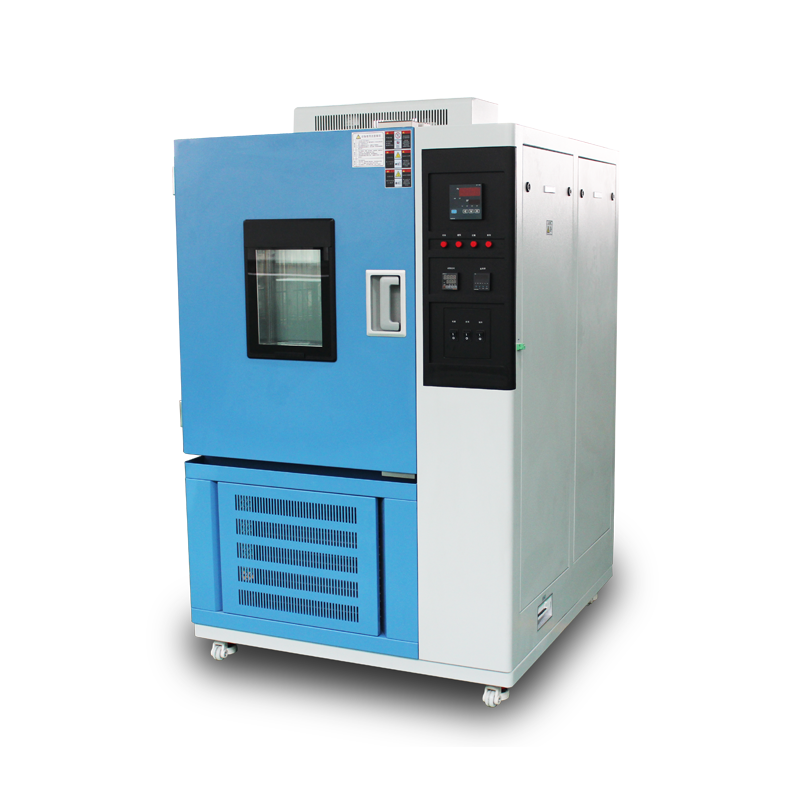
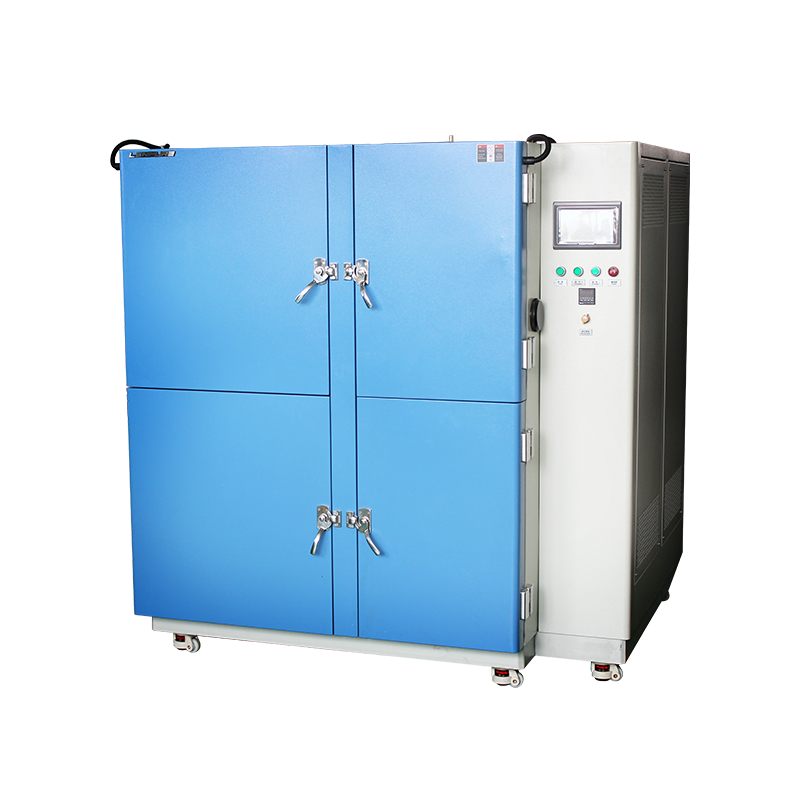
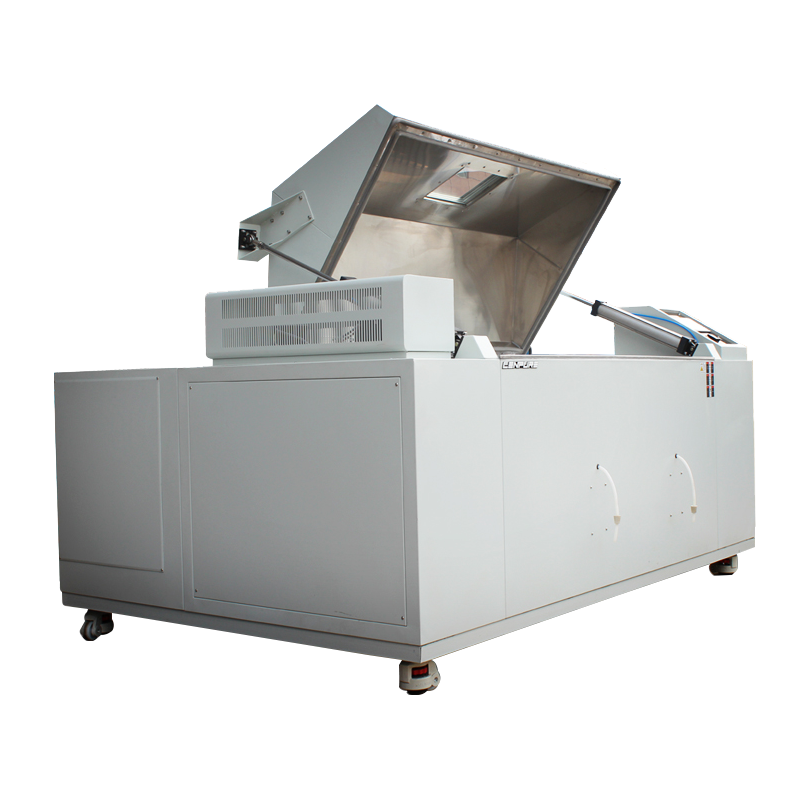
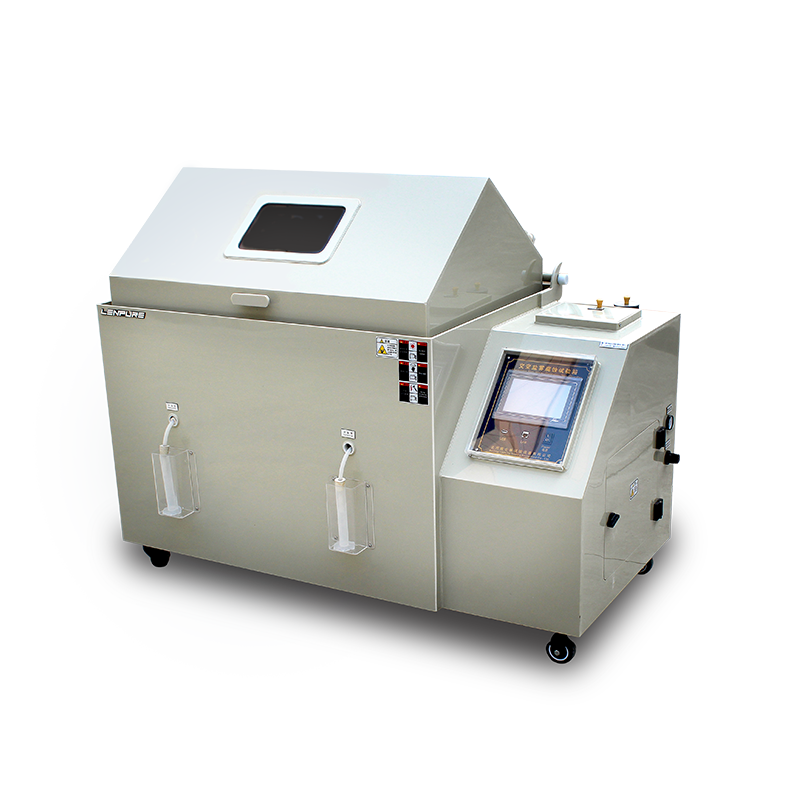
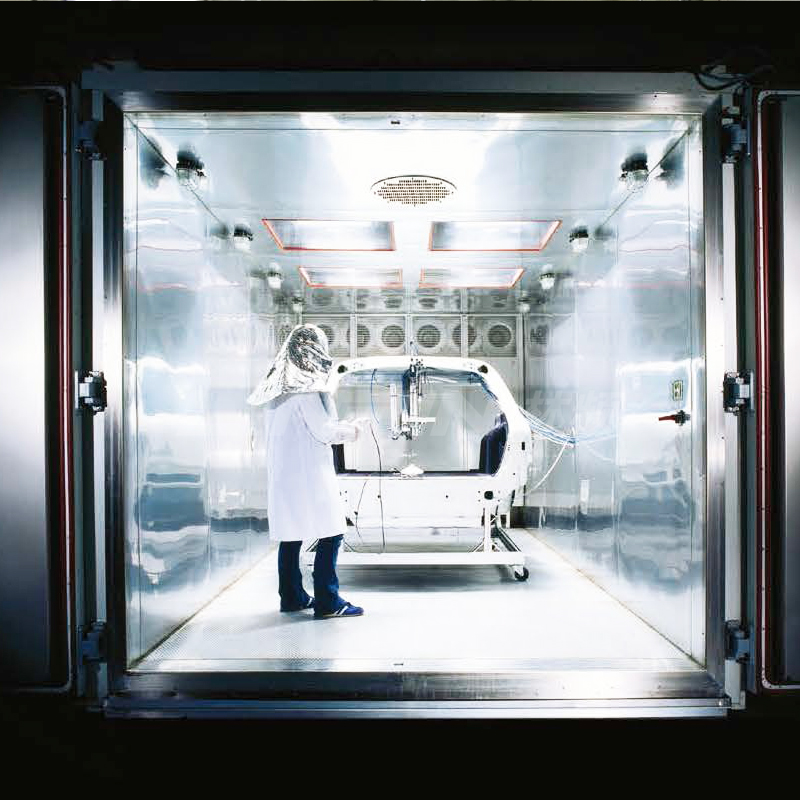
Door locks, headlights, electrical dust covers, instrument panels, and other components can be tested for dust resistance using a sand and dust test chamber. This equipment simulates a dusty environment to evaluate the dustproof performance of test samples. Currently, such test chambers are widely used in the automotive industry. However, during operation, issues such as “interruptions in the sand and dust test chamber” may occur. There are three main scenarios that can cause interruptions during testing. Below are the troubleshooting and resolution methods for each case.

Three Possible Causes of Interruptions in the Sand and Dust Test Chamber:
Interruption Due to Insufficient Test Conditions
If the test chamber stops because the test conditions fall below the allowable tolerance (e.g., insufficient dust concentration or airflow), the test conditions must be adjusted to meet the required standards.
Once corrected, the test cycle can resume and proceed normally.
Interruption Within Allowable Tolerance Range
If the interruption occurs within the permissible tolerance range (e.g., a brief power fluctuation that does not affect test integrity), the interruption time is considered part of the total test duration.
No additional action is needed—simply continue the test.
Interruption Due to Excessive Test Conditions
If the test chamber stops due to excessively harsh conditions (e.g., overheating or excessive dust concentration), the test should be terminated immediately.
A new test sample should be used for a retest.
If the test conditions did not damage the sample (or if the sample can be repaired), adjust the test parameters to comply with standard conditions before restarting.
Conclusion
Now that you understand how to handle interruptions in the sand and dust test chamber, you can take appropriate action based on the cause. If the issue persists after applying these solutions, contact the manufacturer’s technical support team for assistance.
Shanghai Linpin Instruments is a professional manufacturer of test chambers. We not only supply high-performance sand and dust test chambers but also provide technical support and after-sales service. For any technical inquiries, please call our hotline at 400-066-2888.

25.04







Copyright © 2025 Shanghai Linpin Instrument Co., Ltd Copyright
| ICP Number:Shanghai ICP Record No. 12029585-7
| Sitemap






 EN
EN
 中文
中文 Pусский
 Tiếng Việt
 ภาษาไทย
 پاکستانی زبان