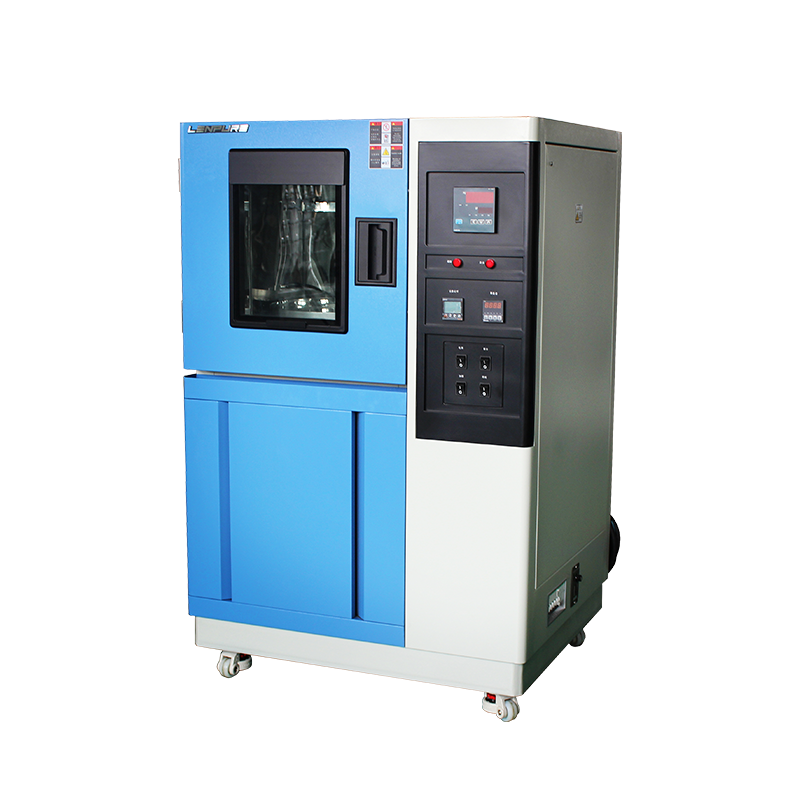
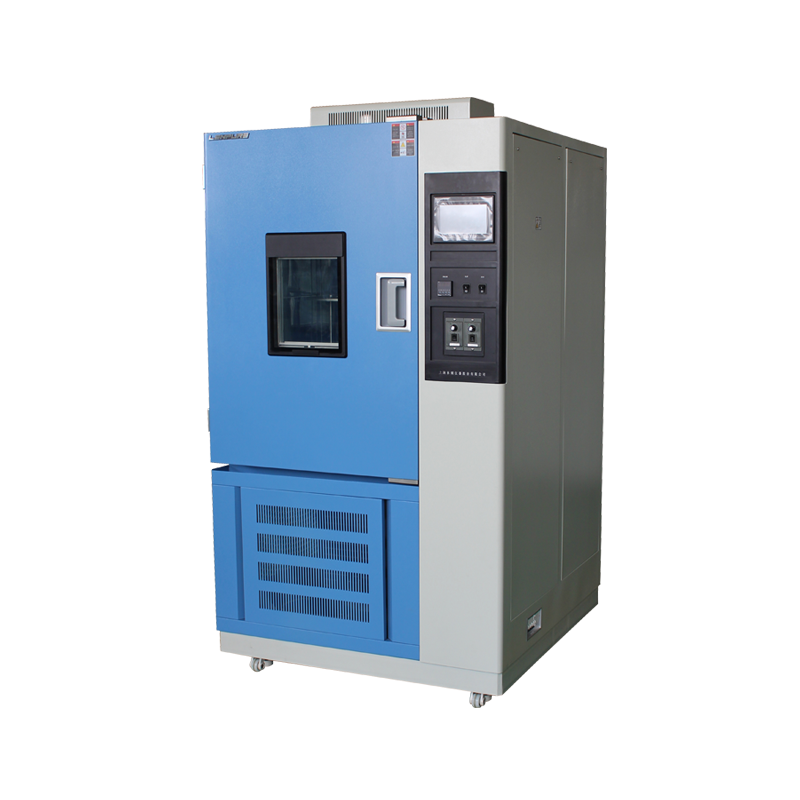
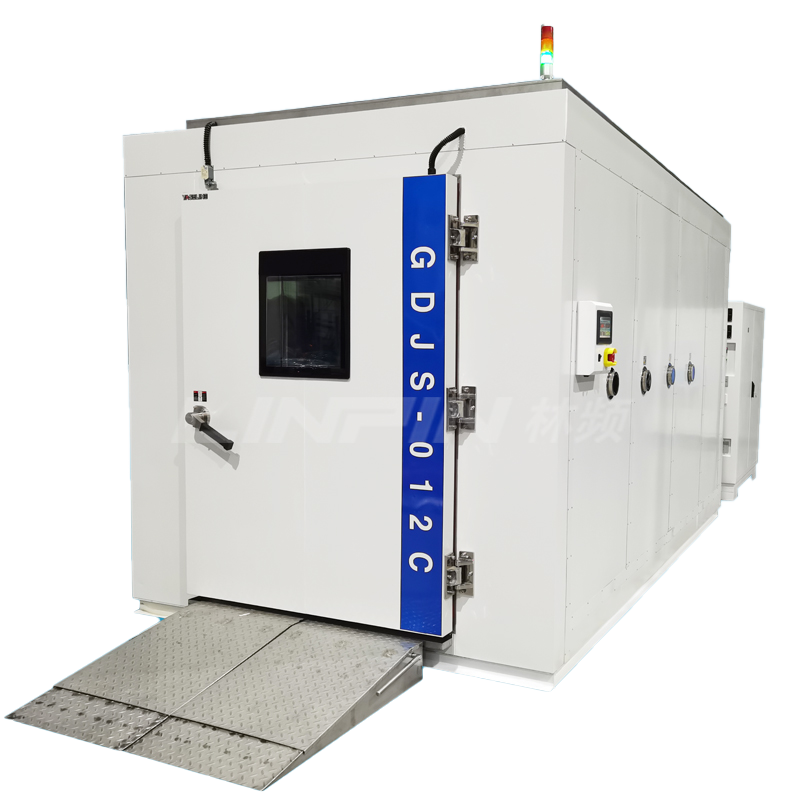
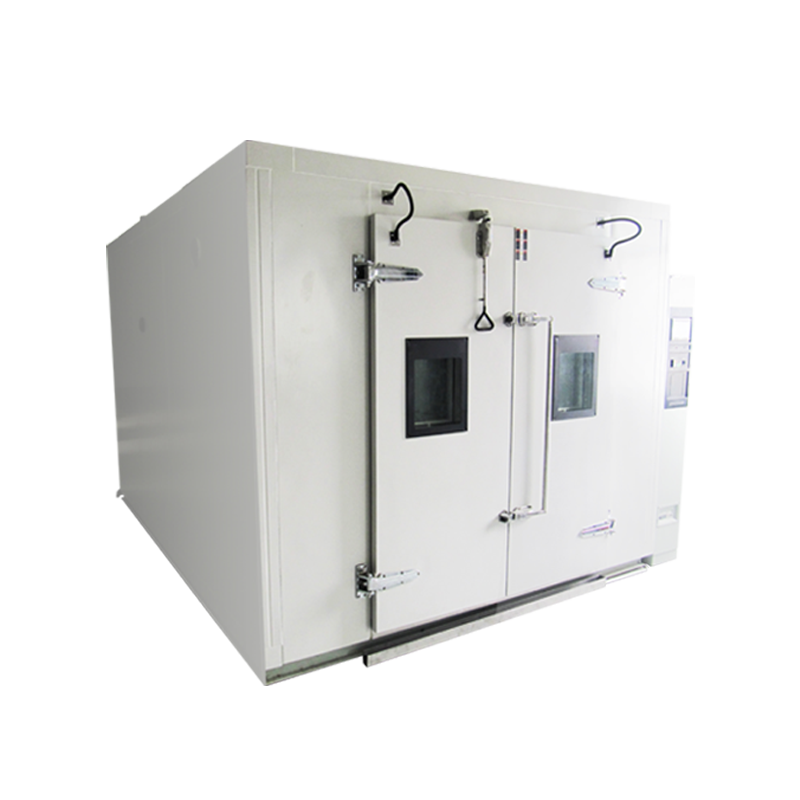
One of Linpin’s standout products, the high-low temperature test chamber, excels with its impressive heating rate (1.0~3.0℃/min), cooling rate (0.7~1.0℃/min), and thoughtful multi-segment temperature range settings (A: -20℃ to 150℃; B: -40℃ to 150℃; C: -60℃ to 150℃; D: -70℃ to 150℃). These features make it a top choice among high-low temperature test chambers. Additionally, its observation windows (210×275 mm or 395×395 mm) allow you to monitor experiments closely, keeping you fully informed of every change during the testing process.
Industries Served:
This equipment is widely used in aviation, aerospace, military, scientific research, quality inspection, electrical engineering, electronics, automotive, materials, chemical engineering, communications, machinery, home appliances, components, and new energy industries.

Product Applications:
The high-low temperature test chamber (at various temperature ranges) is an essential instrument for testing materials in aviation, automotive, home appliances, scientific research, and other fields. It is used to evaluate the parameters and performance of different materials under extreme high temperatures, extreme low temperatures, or constant temperature conditions, observing their reactions in various environments.
Key Features:
Insulation material: Durable polyurethane foam + glass fiber.
Equipped with 2 sample shelves and a condensate water tray that drains outside the chamber.
Advantages: Wide range of extreme temperatures and high accuracy in actual temperature control.
Customizable options: Non-standard designs and multi-chamber configurations.
Safety features: Compressor overpressure overload protection, fan overheating protection, phase failure/reverse phase protection, over-temperature protection, test timing, leakage protection, overload and short-circuit protection, ensuring a safe experimental process.
User-friendly manual for easy operation.
As a manufacturer of high-low temperature test chambers, meeting your expectations is our goal, ensuring product quality is the foundation of our service, and exceeding your expectations is our greatest joy. We look forward to your call!








Copyright © 2025 Shanghai Linpin Instrument Co., Ltd Copyright
| ICP Number:Shanghai ICP Record No. 12029585-7
| Sitemap






 EN
EN
 中文
中文 Pусский
 Tiếng Việt
 ภาษาไทย
 پاکستانی زبان