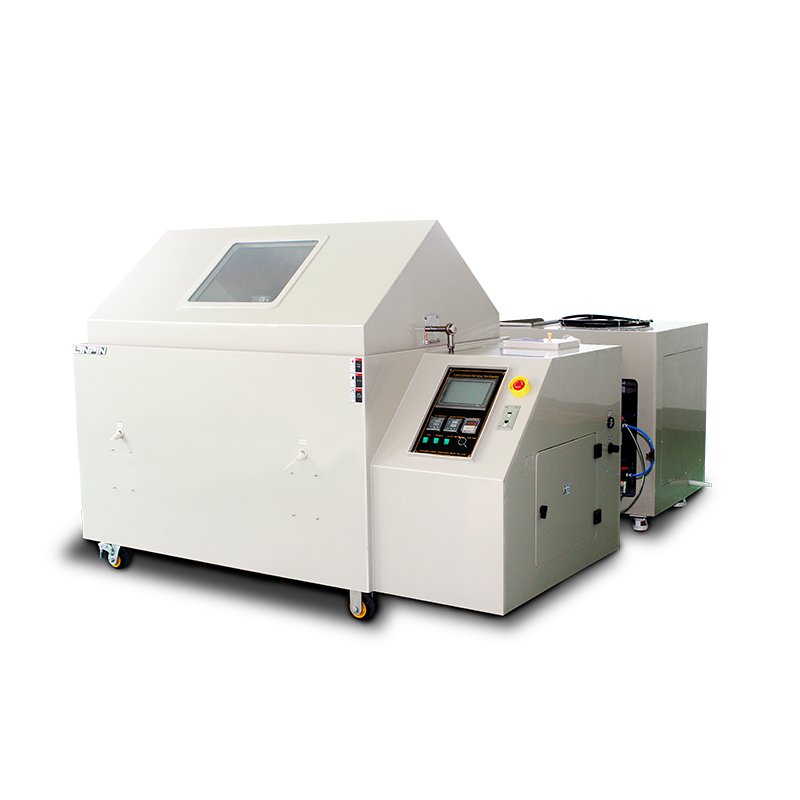
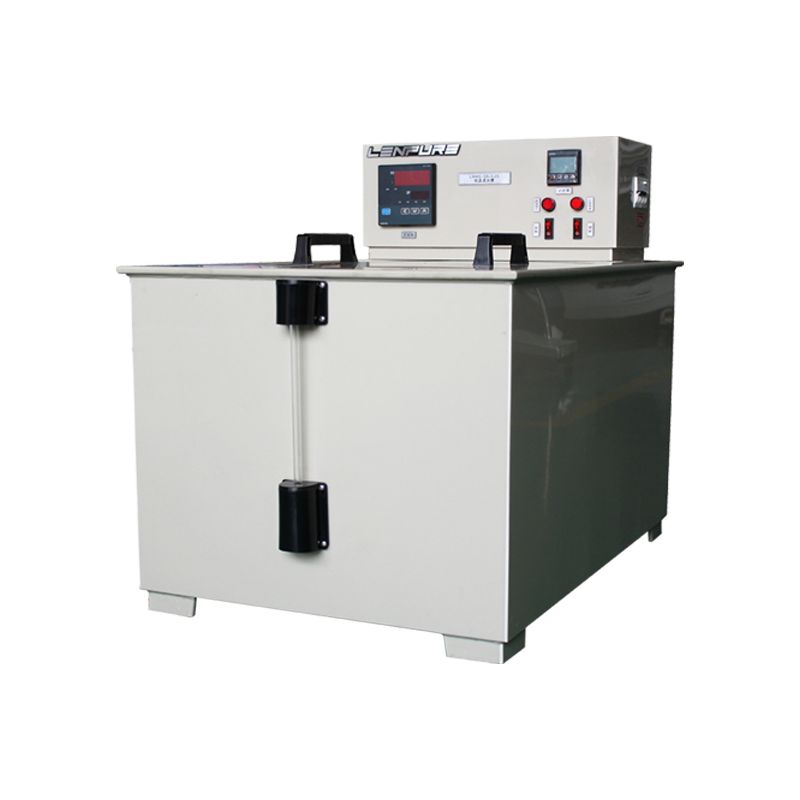
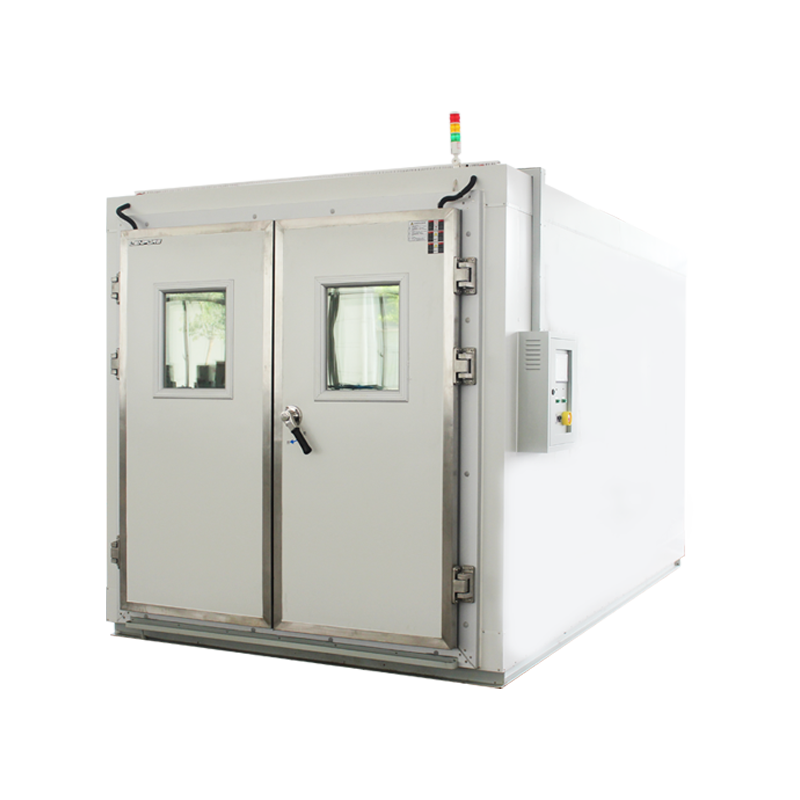
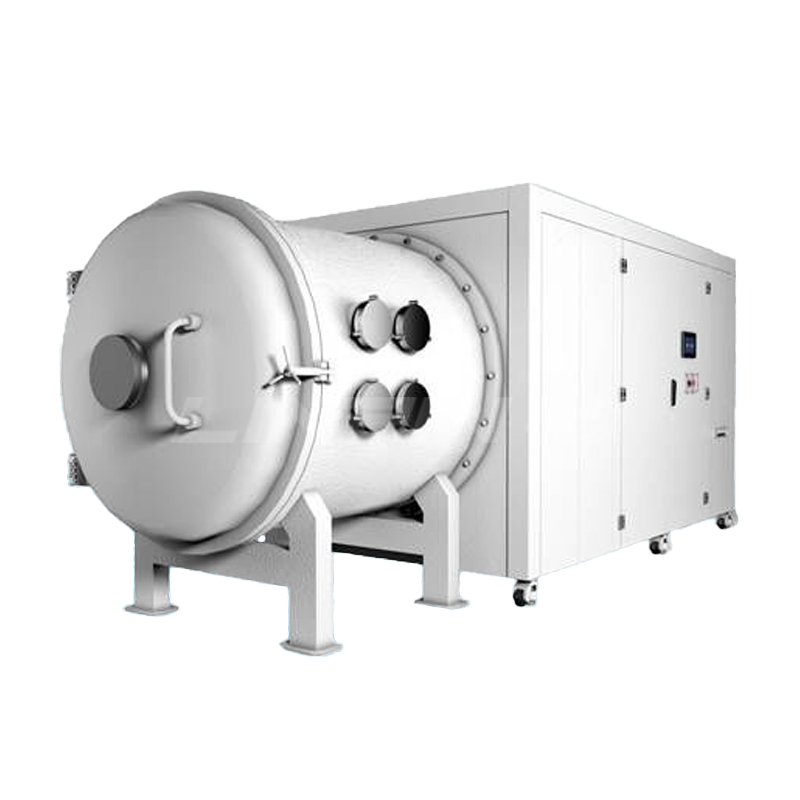
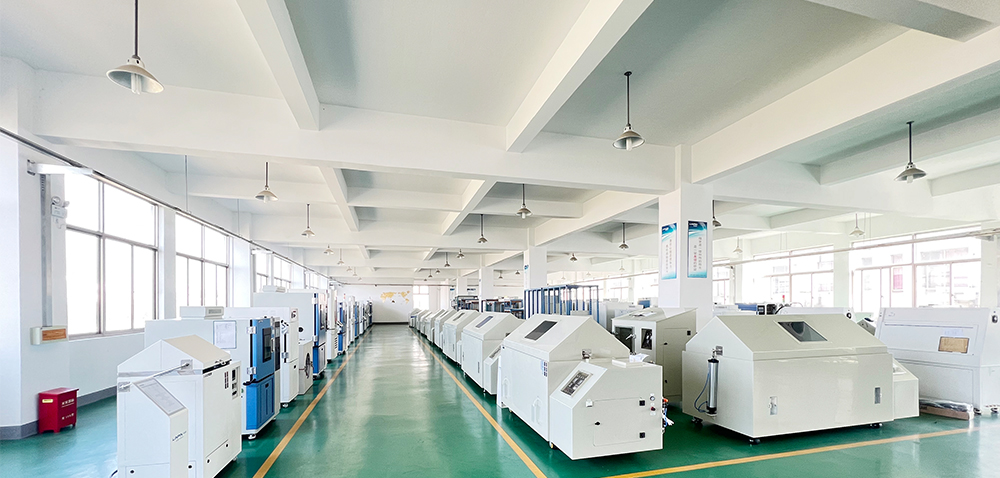
A UV aging test chamber is a device that artificially simulates the UV environment and high-temperature conditions found in nature to conduct light-fastness tests on non-metallic products and obtain their light-fastness results. It typically uses fluorescent UV lamps as the light source. The UV light used in the experiment is harmful to human skin. For example, in areas with intense UV exposure, people are prone to tanning, and in severe cases, skin cancer can develop. It also affects the eyes, potentially causing cataracts. Tibet and other plateau regions are high-incidence areas for such eye diseases. Therefore, while benefiting from the convenience of this device, it is essential to take protective measures. The key points for protection are as follows:
UV light has strong penetration capabilities and is generally categorized into long-wave, medium-wave, and short-wave lamps. When operating short-wave lamps, it is necessary to wear thick work uniforms, UV protective glasses, and UV protective gloves to protect the skin and eyes from UV exposure.
Compared to short-wave lamps, the medium-wave UV light in the test chamber has even stronger penetration power. Without proper protective clothing and specialized protective glasses, long-term exposure can lead to the rupture of skin capillaries and skin redness.

Short-wave UV light is more destructive than long-wave and medium-wave UV light. It is even used for sterilization and disinfection in medical applications. Therefore, when working under short-wave UV light for extended periods, it is crucial to always wear a specialized UV protective face shield.
Although short-wave UV light has strong sterilizing power, its penetration ability is relatively weak. Therefore, during testing, it is necessary to ensure that no non-test objects obstruct the light to maintain the accuracy of the experiment.
The UV aging test chamber can achieve the effects of natural environmental changes in a shorter period of time. It tests the damage caused by UV light under non-man-made conditions, such as brittleness and air oxidation. When maintaining this equipment, it is important to note the following: When the device is not in use, it should be kept in a dry and ventilated environment, and the ambient temperature should not fluctuate significantly.

25.05





Copyright © 2025 Shanghai Linpin Instrument Co., Ltd Copyright
| ICP Number:Shanghai ICP Record No. 12029585-7
| Sitemap






 EN
EN
 中文
中文 Pусский
 Tiếng Việt
 ภาษาไทย
 پاکستانی زبان