



Investing in a high-quality low-temperature test chamber ensures greater reliability and significantly reduces long-term maintenance expenditures. Given the multitude of manufacturers currently operating in this sector, customers must adopt a systematic approach to equipment selection.
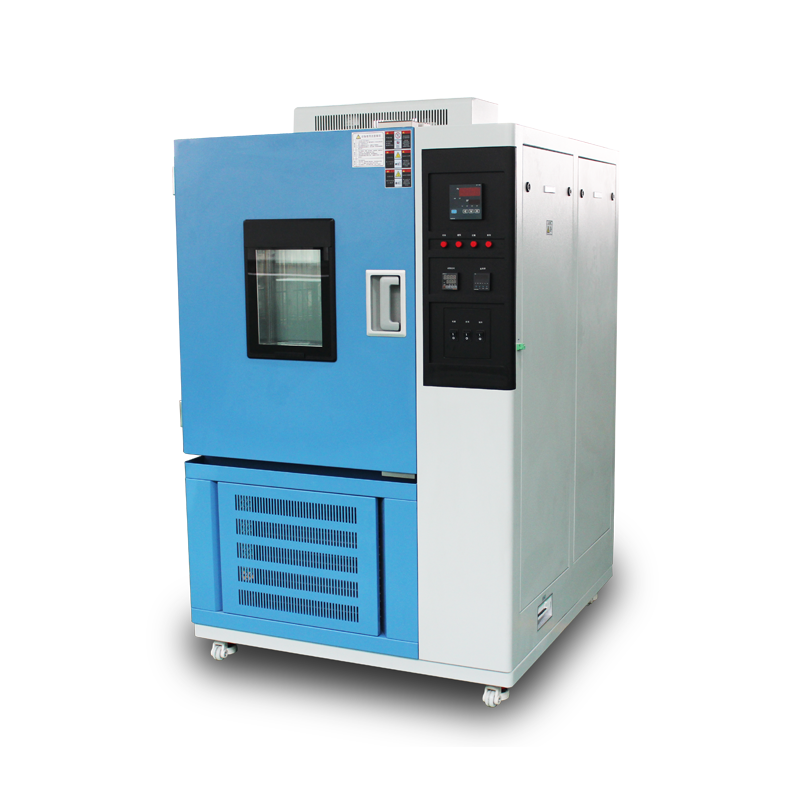
The evaluation process should encompass several critical dimensions. First, thoroughly examine the materials utilized in equipment fabrication. During consultations with manufacturer representatives, customers should request detailed specifications regarding raw material grades and origins. Should specific material requirements exist for particular applications, direct technical discussions with the manufacturer’s engineering department are strongly recommended. Additionally, the production methodology warrants careful consideration—equipment manufactured through precision machining and advanced assembly processes inherently delivers superior quality and long-term durability.
Second, technological sophistication should serve as a primary differentiator. The employed technology directly determines equipment efficiency, energy consumption metrics, and temperature control accuracy. Consequently, prospective buyers must conduct comparative analyses across multiple vendors, prioritizing solutions that demonstrate technological superiority alongside energy-saving and environmentally conscious design principles.
Furthermore, dimensional specifications require meticulous assessment. Variations in installation site constraints and test specimen dimensions necessitate a tailored approach to equipment sizing. Selection must align precisely with actual operational requirements rather than standardized configurations.
Finally, comprehensive service provisions constitute a critical selection criterion. Evaluation should extend beyond the equipment itself to encompass delivery logistics, on-site installation support, and post-commissioning technical assistance. Customers are advised to conduct thorough due diligence across multiple manufacturers, engaging in multi-faceted comparative analysis to identify the most suitable long-term partnership.
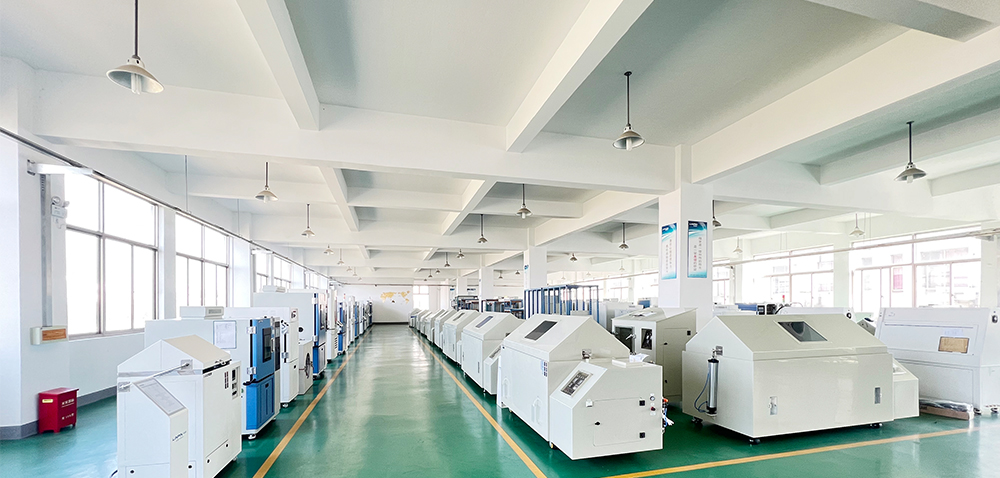
Linpin Instrument stands as a comprehensive enterprise integrating research and development, precision manufacturing, global sales, and technical service of low-temperature test chamber systems. Our equipment portfolio has been successfully deployed across more than forty countries and regions worldwide. We deliver not only superior test chamber solutions but also established after-sales support systems and expert technical guidance. Our products have garnered extensive industry recognition through successful implementation across diverse application sectors. Our dedicated technical team provides optimized equipment configuration recommendations based on specific customer requirements, delivering turnkey solutions. We cordially welcome industry professionals to visit our manufacturing facility for equipment evaluation and selection.








Copyright © 2025 Shanghai Linpin Instrument Co., Ltd Copyright
| ICP Number:Shanghai ICP Record No. 12029585-7
| Sitemap






 EN
EN
 中文
中文 Pусский
 Tiếng Việt
 ภาษาไทย
 پاکستانی زبان



组件紫外试验箱.png)
