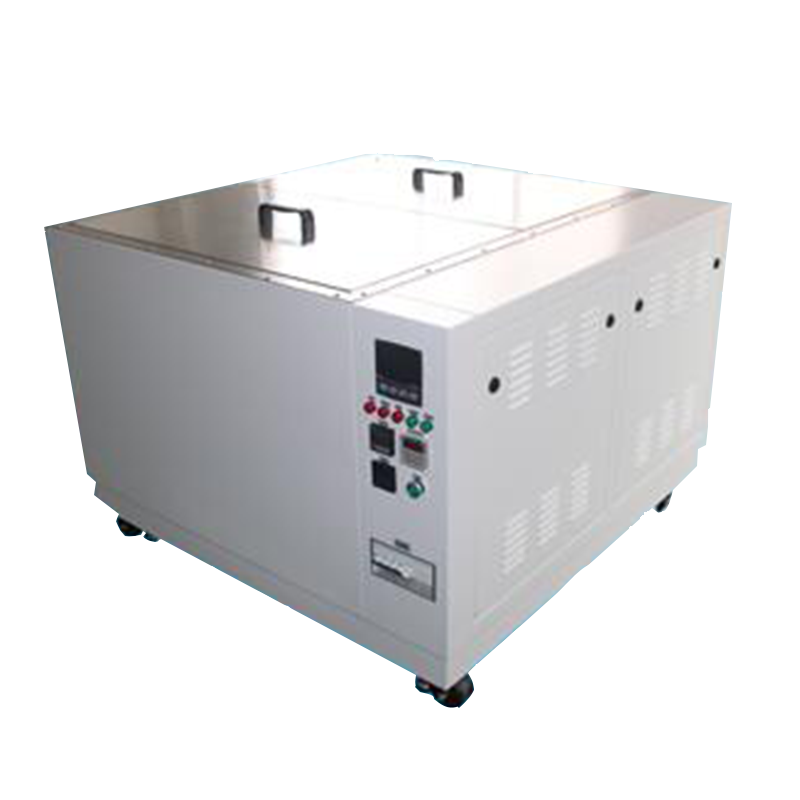
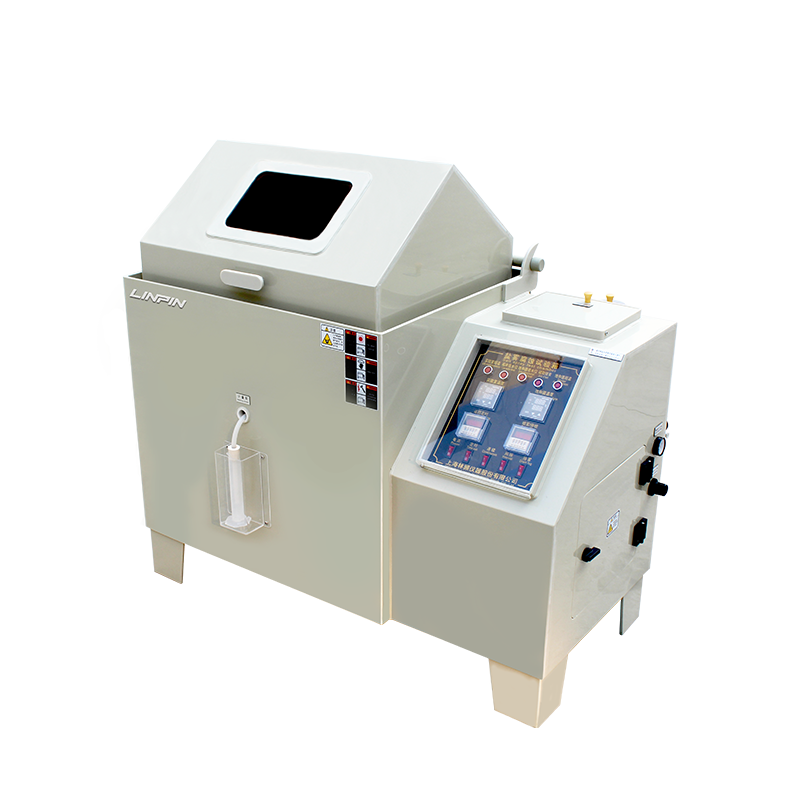
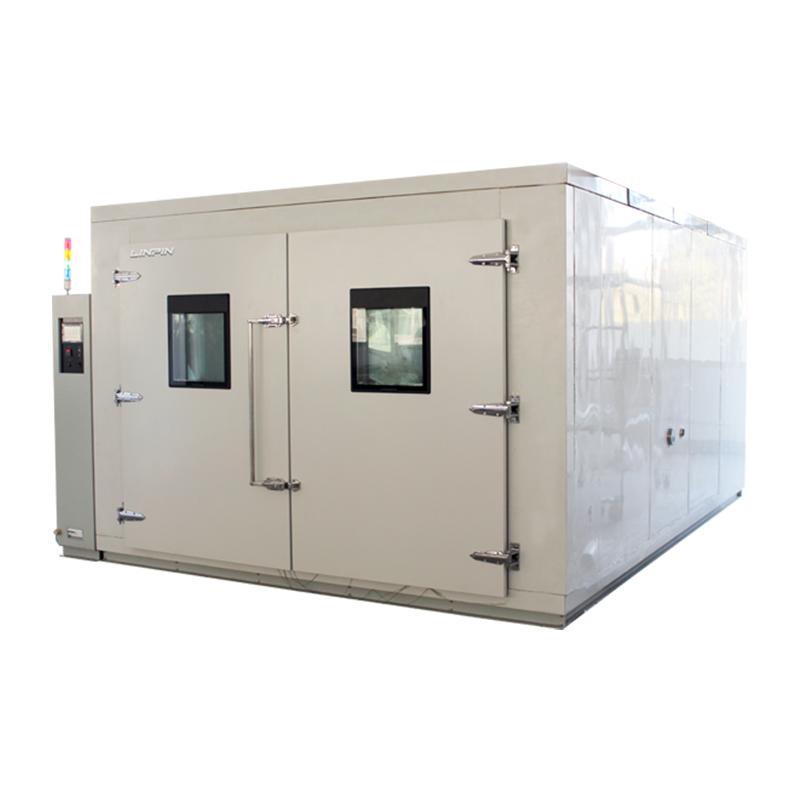
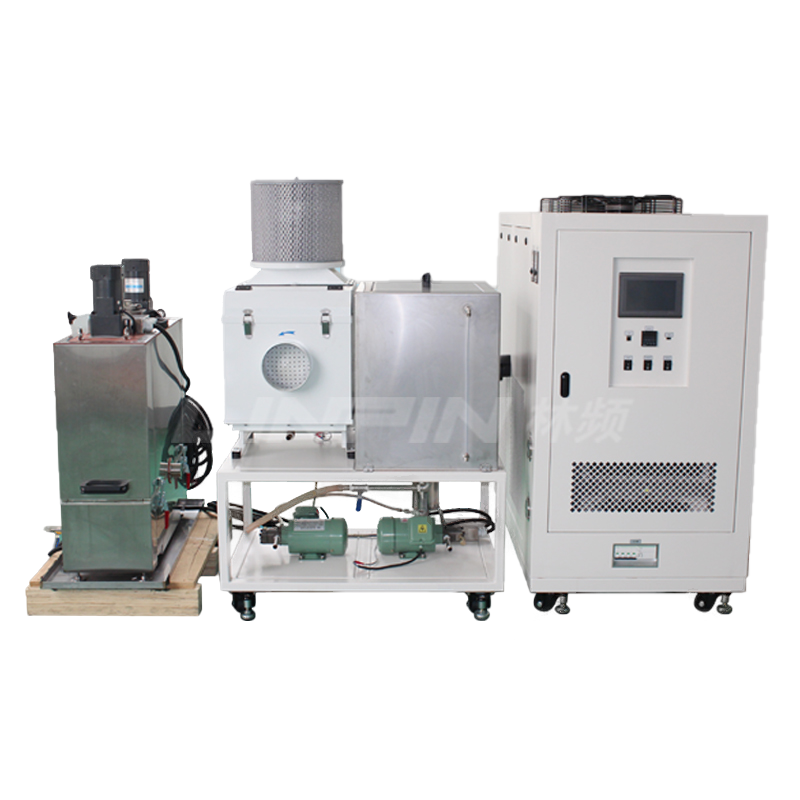
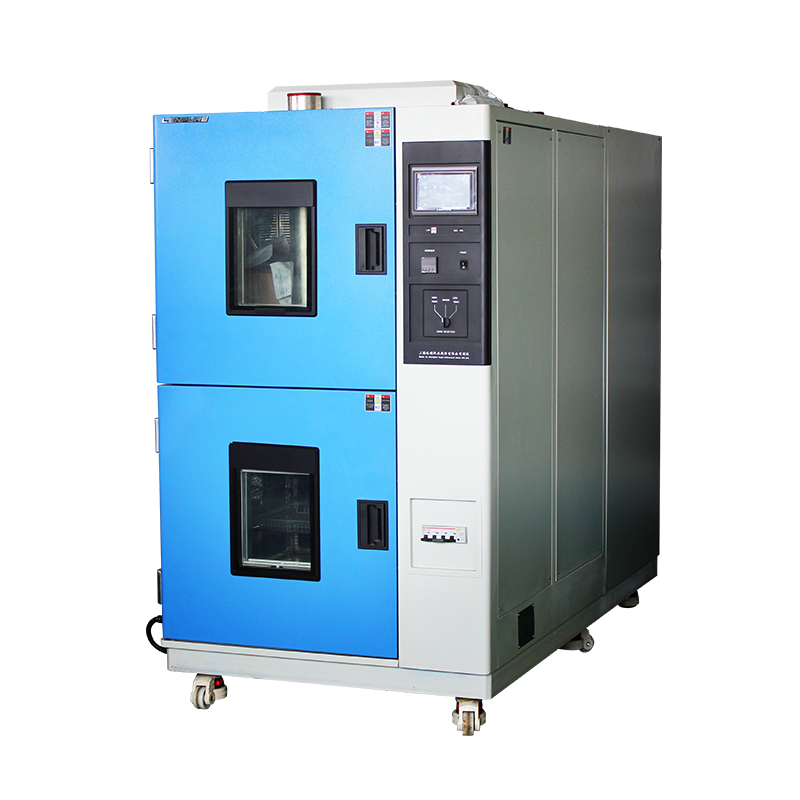
Thermal shock test chambers, renowned for their outstanding stability and reliability, are extensively employed in the testing of automation components, telecommunications equipment, plastics, aerospace hardware, chemical materials, LEDs, and electronic devices. These chambers provide critical support for product quality verification and process optimization. By cyclically applying high- and low-temperature stresses, they quantitatively evaluate the chemical changes or physical damage induced by thermal expansion and contraction, thereby determining environmental durability. Nevertheless, like all precision instruments, they inevitably experience performance degradation and shortened service life over time. To prolong their operational lifespan, it is essential to systematically identify and thoroughly analyze the principal influencing factors.
Chronic Exposure to Humidity
Humidity is the foremost environmental factor accelerating chamber aging. Rainwater, atmospheric moisture, and dew can all trigger electrochemical corrosion of internal metallic components, degrade electrical insulation, and reduce heat-exchange efficiency within the refrigeration circuit. Research indicates that dew, owing to its prolonged residence time and superior penetrability, inflicts significantly greater damage than transient rainfall. Persistent condensation causes hygroscopic swelling of insulating materials and the propagation of microcracks in structural elements, markedly curtailing overall equipment life.
Light Intensity and Material Compatibility
The chamber enclosure and internal supports are typically fabricated from metals or polymeric composites whose photostability governs both cosmetic appearance and structural integrity. Low-weather-grade plastics and coatings are prone to photo-oxidative degradation under intense ultraviolet radiation, manifesting as chalking, discoloration, and loss of mechanical strength. Such deterioration diminishes overall rigidity and sealing performance. Consequently, during the design and material-selection phases, it is imperative to match high-weather-grade materials to the anticipated light intensity of the operating environment to mitigate photodegradation.
Coupled Effects of Ambient Temperature and Thermal Load
Elevated ambient temperatures not only raise the external surface temperature of the chamber but also intensify internal thermal loads through radiative and convective heat transfer, forcing the refrigeration system to operate continuously at full capacity. Under high-temperature conditions, key components such as compressors and condensers experience accelerated lubricant breakdown and coil insulation aging, causing failure rates to rise exponentially. Therefore, strict control of the maximum allowable operating ambient temperature and provision of adequate heat-dissipation space are necessary to attenuate the aging effects induced by coupled thermal loads.
Systematic Operation and Maintenance
Beyond environmental factors, standardized maintenance is equally critical. The following periodic procedures are recommended:
• Monthly: Inspect and clean condenser fins to prevent fouling-induced high-pressure faults.
• Quarterly: Measure refrigerant pressures and compressor currents, replenishing refrigerant or replacing filter driers as required.
• Semiannually: Tighten electrical connections and perform insulation tests to eliminate loose contacts and leakage hazards.
• Annually: Calibrate temperature sensors and controllers to ensure measurement accuracy and operational safety.
Conclusion
Humidity, light intensity, ambient temperature, and maintenance standards are the key determinants of a thermal shock test chamber’s service life. By optimizing material selection, controlling the operating environment, and implementing rigorous maintenance, the aging rate can be significantly reduced, thereby extending reliable service life. These measures ultimately minimize whole-life-cycle costs and enhance the credibility of test data for the enterprise.

25.02

25.03






Copyright © 2025 Shanghai Linpin Instrument Co., Ltd Copyright
| ICP Number:Shanghai ICP Record No. 12029585-7
| Sitemap






 EN
EN
 中文
中文 Pусский
 Tiếng Việt
 ภาษาไทย
 پاکستانی زبان