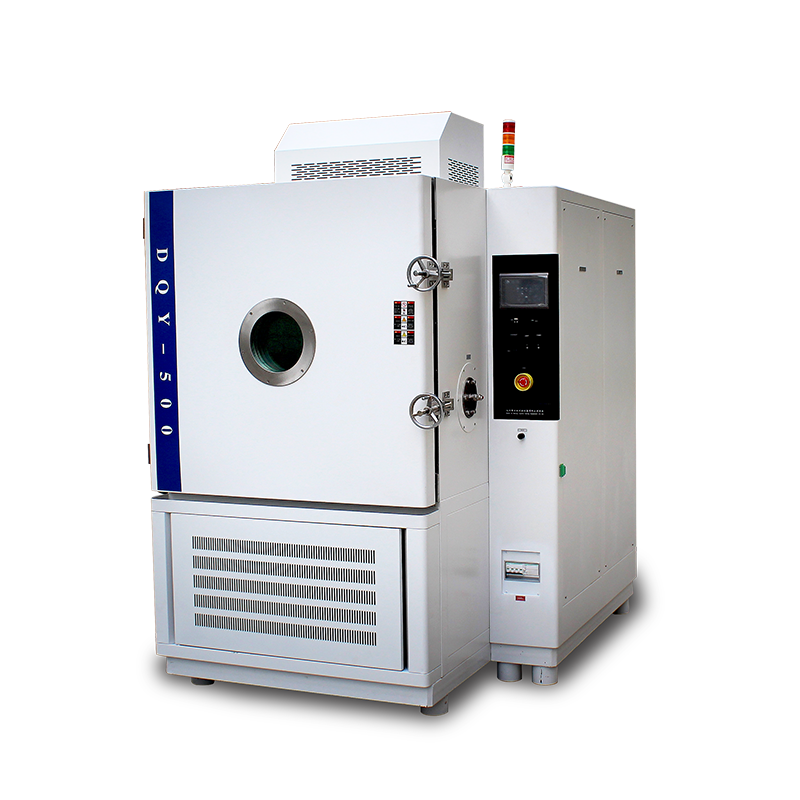
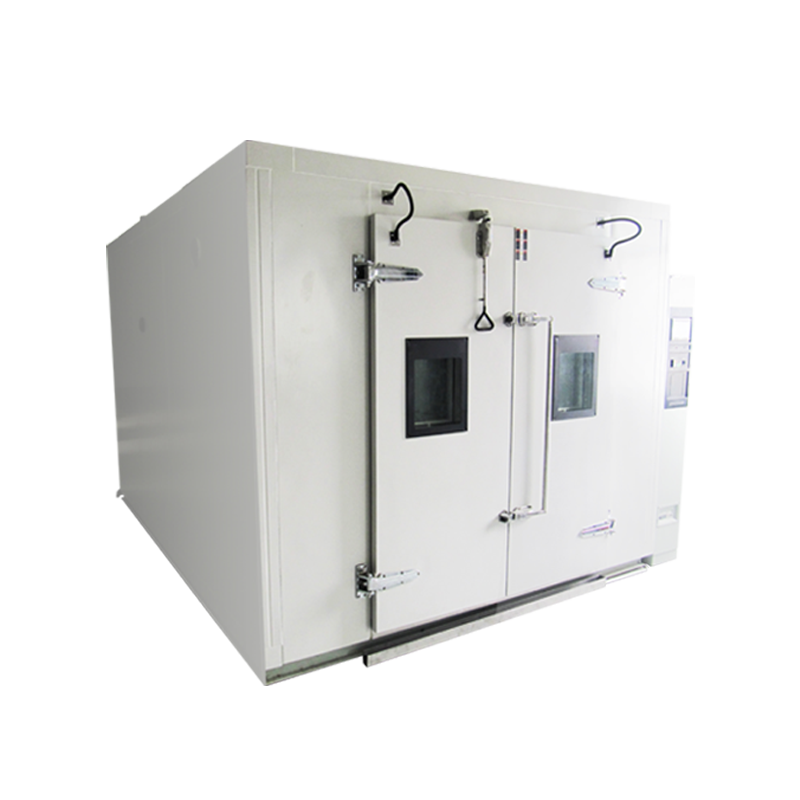
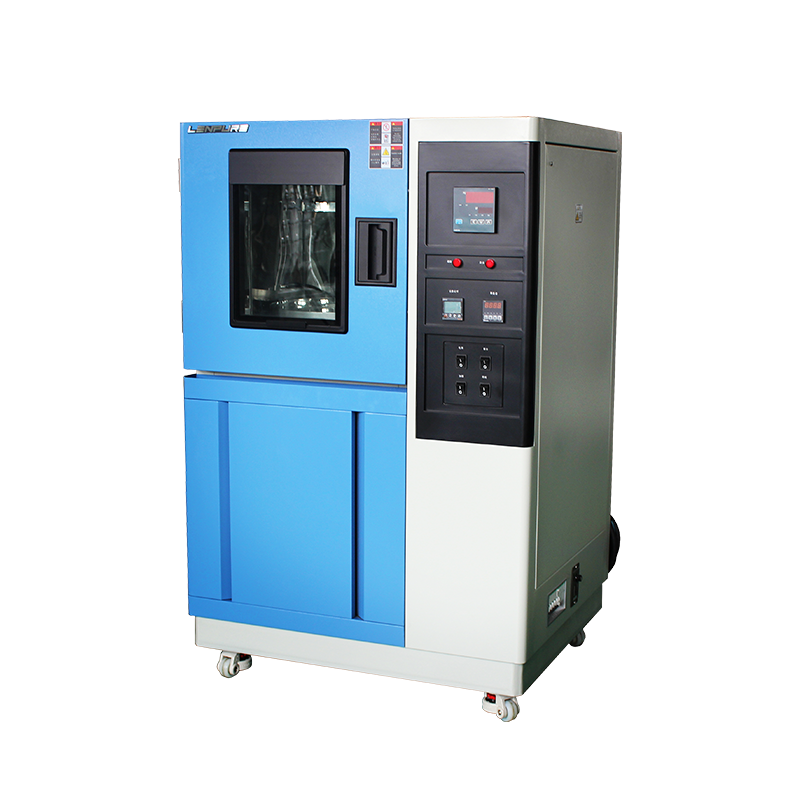
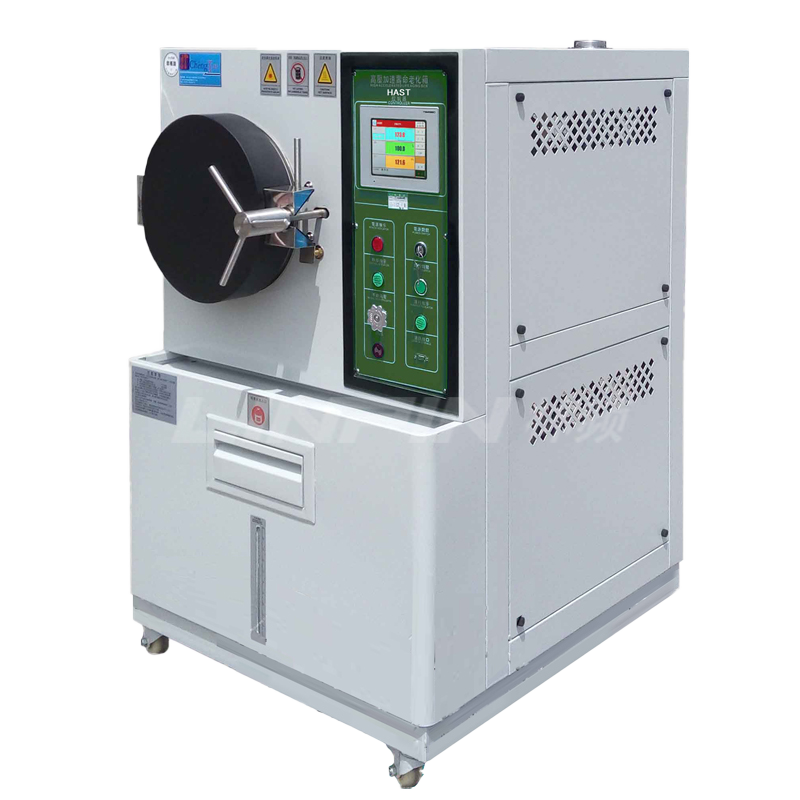
Low-temperature test chambers are dedicated to evaluating the storage reliability and environmental adaptability of electronic and electrical products, automotive components, household appliances, and related materials in extreme cold climates. A temperature range of 0 °C to –80 °C is typically sufficient to meet the vast majority of industry standards and research requirements.
1. Safety Precautions for Installation and Operation
• Flammable, explosive, toxic, or highly corrosive substances must be strictly prohibited in the vicinity of the chamber. Any intrusion of such materials will compromise the test environment and accelerate equipment aging.
• After the chamber is positioned, allow it to stand idle for 1–2 days before energizing. This interval permits refrigerant oil to fully return, ensuring long-term operational stability and extending service life.
• If the chamber remains unused for an extended period, execute periodic dehumidification cycles to prevent corrosion, aging, or functional failure of internal components due to moisture.
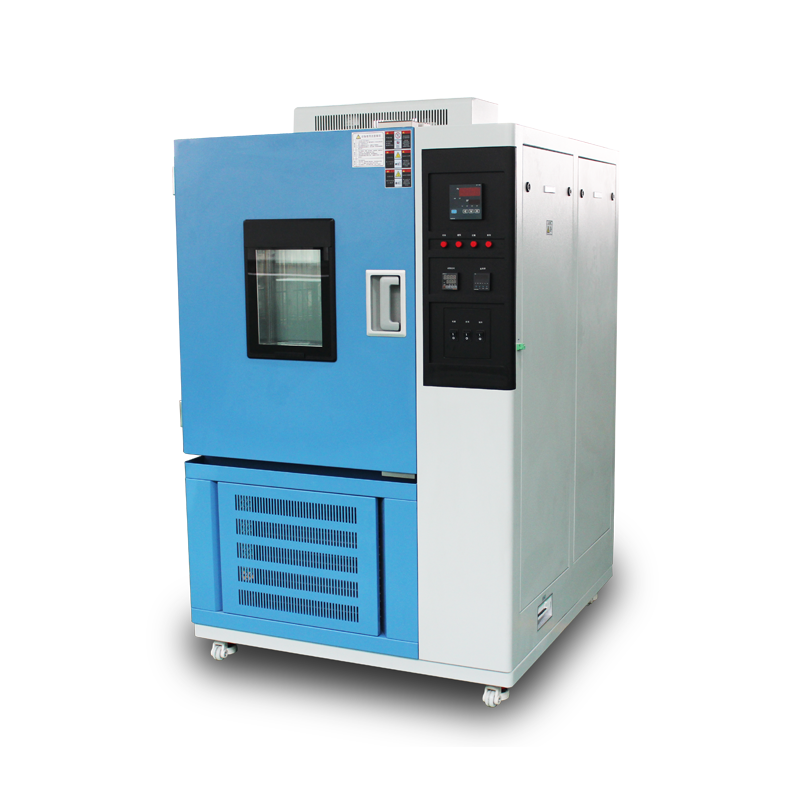
2. Core Performance Advantages
• Wide-Spectrum Temperature Control
Continuous adjustment from –80 °C to ambient +10 °C covers the stringent demands of multiple industries and standards.
• Balanced Temperature-Regulation Technology
A proprietary balanced-control algorithm delivers high-precision, high-stability temperature conditioning, guaranteeing consistent test conditions while eliminating temperature overshoot.
• Optimized Human–Machine Interface
A high-resolution keypad programmer allows intuitive parameter setting; an integrated deviation self-correction function further enhances test accuracy.
• Intelligent Refrigeration Circuitry
The system automatically switches refrigeration circuits according to the setpoint, simplifying operation and reducing the risk of human error.
• High-Efficiency, Energy-Saving Refrigeration System
The cascade refrigeration unit employs internationally renowned compressors, ensuring high reliability and easy maintenance. Optimized control strategies achieve rapid cooling and extreme low temperatures while lowering energy consumption, delivering significant operational cost savings.
With its broad temperature span, exceptional precision, intelligent operation, and energy-efficient design, the low-temperature test chamber has become the preferred environmental testing solution for research institutes, quality-inspection agencies, and advanced manufacturing enterprises worldwide.









Copyright © 2025 Shanghai Linpin Instrument Co., Ltd Copyright
| ICP Number:Shanghai ICP Record No. 12029585-7
| Sitemap






 EN
EN
 中文
中文 Pусский
 Tiếng Việt
 ภาษาไทย
 پاکستانی زبان