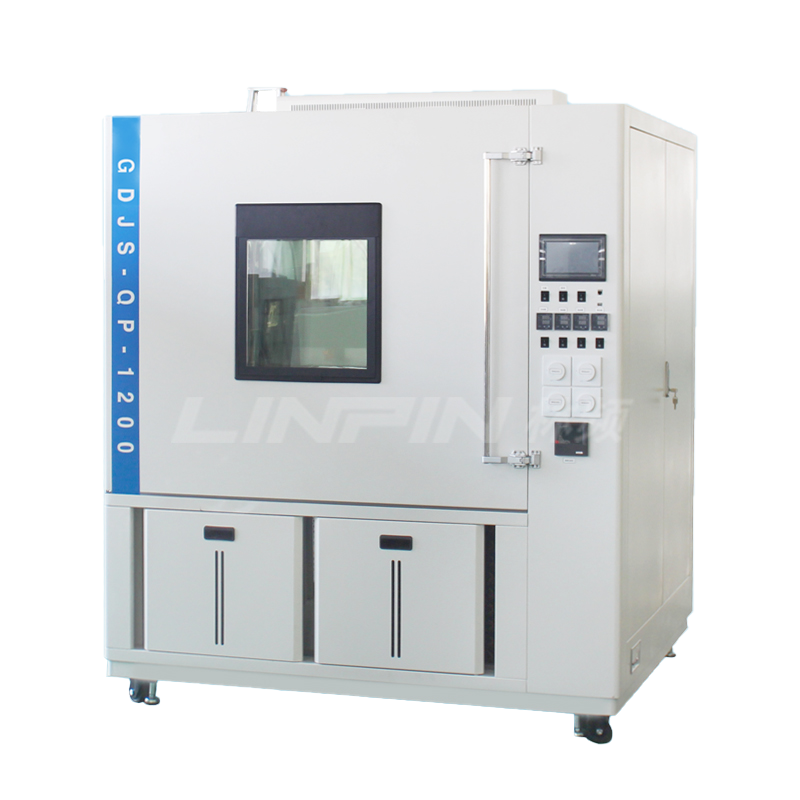
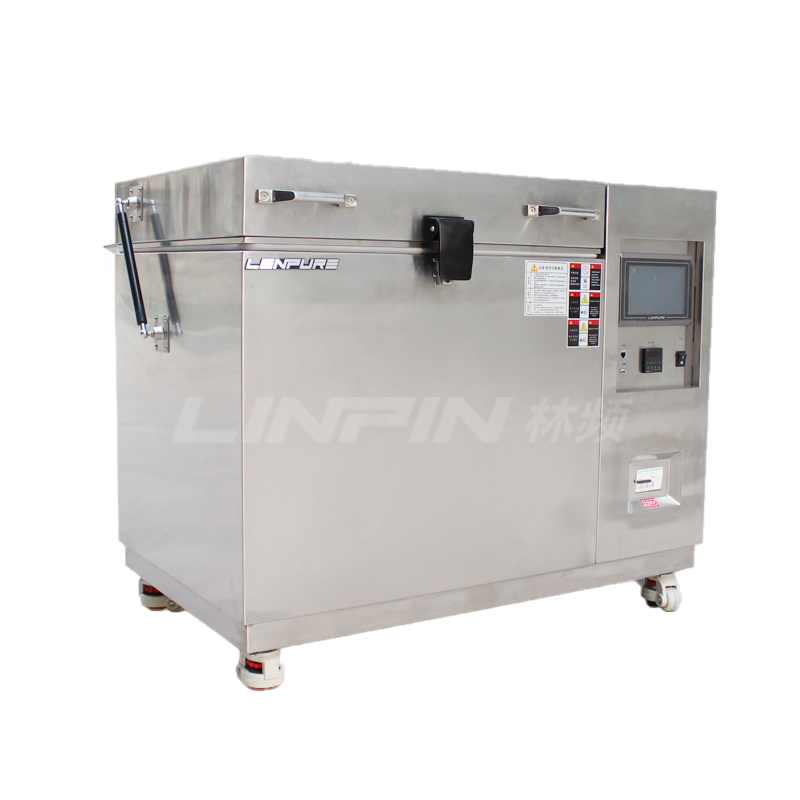
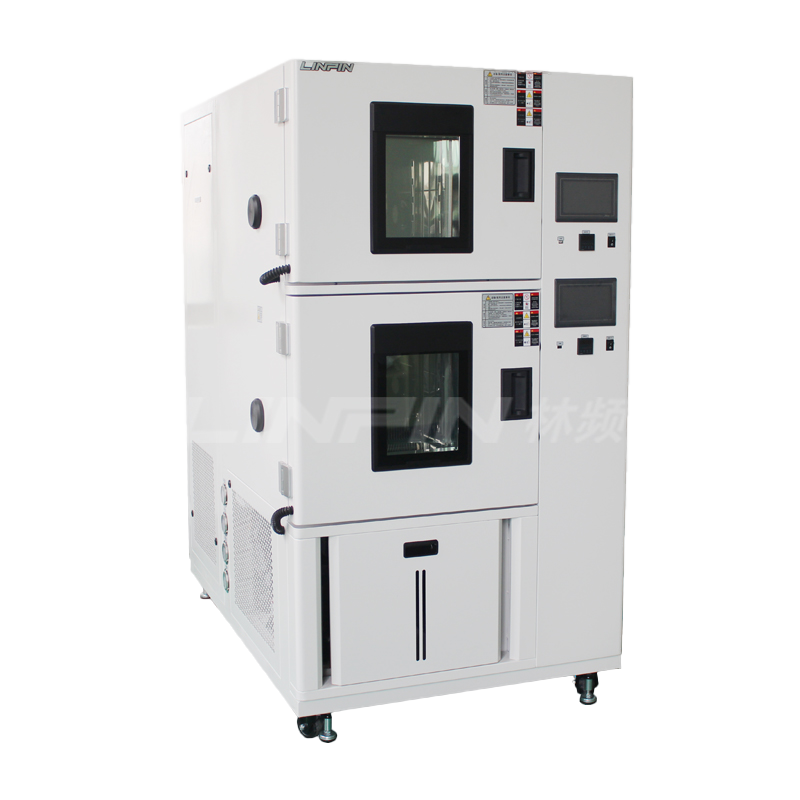
The temperature shock test chamber, also known as a thermal shock test chamber or high-low temperature impact test chamber, is a device used to simulate extreme temperature variations under controlled environmental conditions. It rapidly switches between high and low temperatures to evaluate the performance of samples under such extreme conditions. It is widely applied in industries such as electronics, automotive, aerospace, plastics, rubber, and metals.

I. Key Features
Rapid Temperature Change: The test chamber can achieve quick transitions between low and high temperatures or vice versa in a very short time, effectively simulating real-world extreme temperature change scenarios.
High-Precision Control: Equipped with an advanced temperature control system, the chamber ensures accurate temperature variation rates and target temperatures, guaranteeing test result reliability and repeatability.
Stable & Reliable: Designed for durability, the chamber operates continuously without failure, supporting long-term testing requirements.
Safety Protection: Multiple safety measures, such as over-temperature and over-pressure protection, are integrated to ensure operator and sample safety.
II. Technical Specifications
Chamber Dimensions: The working chamber size varies based on testing needs to accommodate different sample sizes.
Temperature Range: Typically covering a broad range (e.g., -45°C to +150°C or wider) to suit various material testing requirements.
Heating/Cooling Rate: Fast temperature transition rates (e.g., RT~200°C/60min or 0~70°C/60min) simulate rapid environmental changes.
III. Usage Precautions
Before testing, ensure the chamber is properly installed and calibrated.
Set appropriate temperature ranges and transition rates according to test requirements.
Monitor the chamber’s operation and sample responses closely during testing.
Strictly follow safety protocols to protect both operators and test samples.
The temperature shock test chamber is a powerful and versatile testing device that evaluates material endurance under extreme temperature fluctuations, providing critical support for product reliability and quality control.



26.08







Copyright © 2025 Shanghai Linpin Instrument Co., Ltd Copyright
| ICP Number:Shanghai ICP Record No. 12029585-7
| Sitemap






 EN
EN
 中文
中文 Pусский
 Tiếng Việt
 ภาษาไทย
 پاکستانی زبان