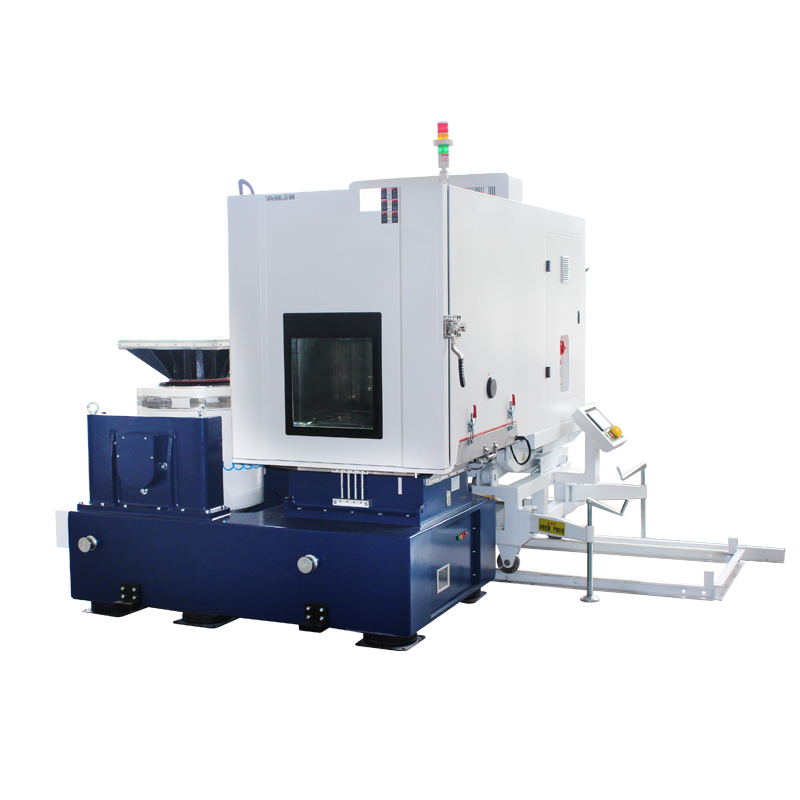
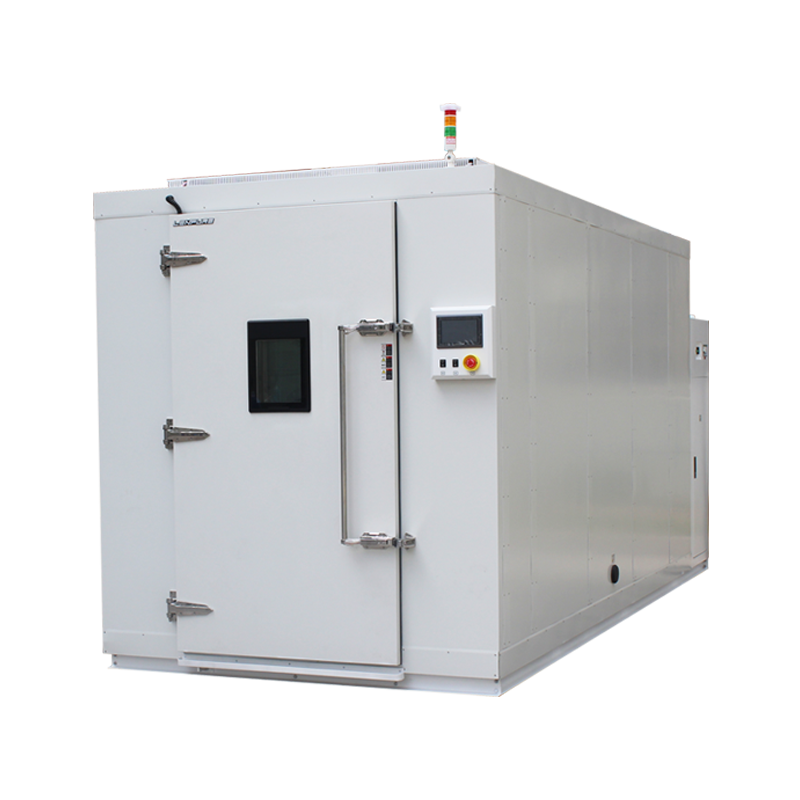
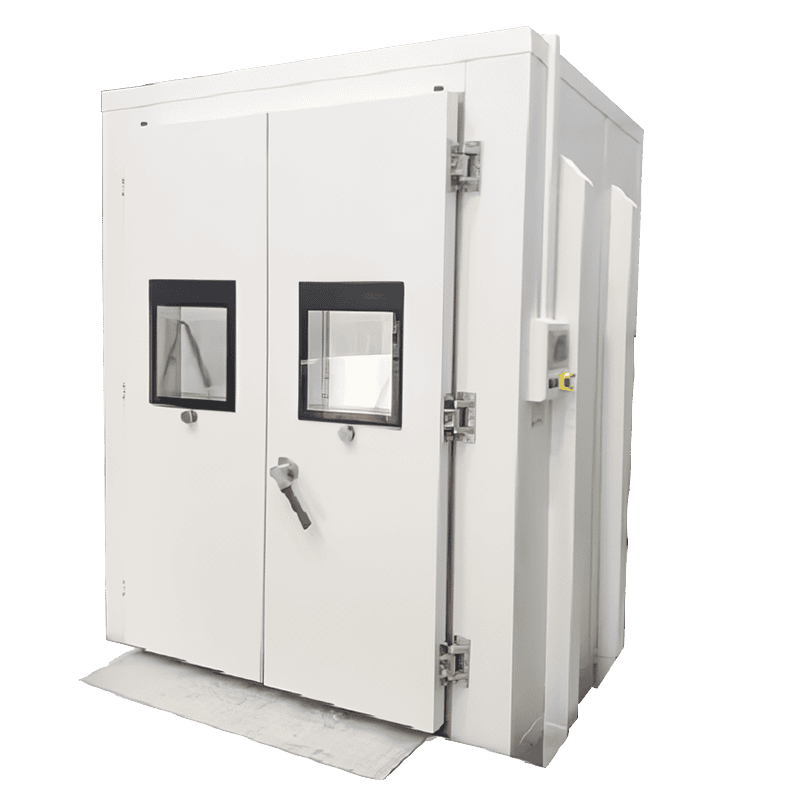
If a constant temperature and humidity test chamber malfunctions due to improper operation or lack of maintenance, it will not only affect the progress of work but also incur costs much higher than those of regular maintenance. This highlights the critical importance of daily maintenance for this equipment. But how exactly should you maintain it? Are you doing it correctly?
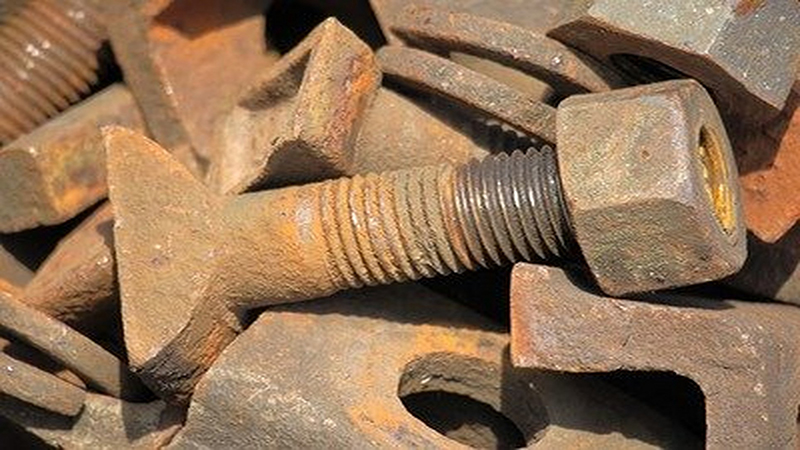
The most basic maintenance for a constant temperature and humidity test chamber involves checking for any loosening, rusting, missing parts, instability, dents, or cracks in screws, components, wiring, and panels. You should also inspect gaskets, plugs, and seals for signs of aging and address any issues promptly.
The compressor is a vital and expensive component of the instrument, so maintaining it properly is essential. The compressor requires a stable voltage to operate, as fluctuations can easily cause damage. Therefore, a voltage stabilizer should be installed on the test chamber. Additionally, the compressor should not be switched on and off frequently; there should be a gap of at least 15 minutes between each operation.
If the motor or rotary reducer of the equipment operates unevenly or produces noise, you should remove any debris and apply lubricating oil.
Periodically check the pump, piping, and drainage tank in the circulation system for leaks or sediment buildup, and carry out repairs and cleaning as needed.
If the constant temperature and humidity test chamber is not going to be used for an extended period, you should disconnect the power supply, clean and dry the interior of the chamber, and store it in a dry, ventilated place away from direct sunlight. Do not cover the equipment with plastic to prevent dust accumulation, as this can cause component rust. Even if the equipment is not in use, it is advisable to power it on once a month for about an hour to protect the compressor.
To prevent rusting of components, regularly wipe them with oil. When adding water to the equipment, avoid using tap water with high impurities; instead, use purified water or distilled water.
Regular maintenance using the correct methods can protect and extend the lifespan of a constant temperature and humidity test chamber. Staff should remember these practices and accumulate experience through continuous maintenance to ensure the equipment performs optimally.








Copyright © 2025 Shanghai Linpin Instrument Co., Ltd Copyright
| ICP Number:Shanghai ICP Record No. 12029585-7
| Sitemap






 EN
EN
 中文
中文 Pусский
 Tiếng Việt
 ภาษาไทย
 پاکستانی زبان


组件紫外试验箱.png)