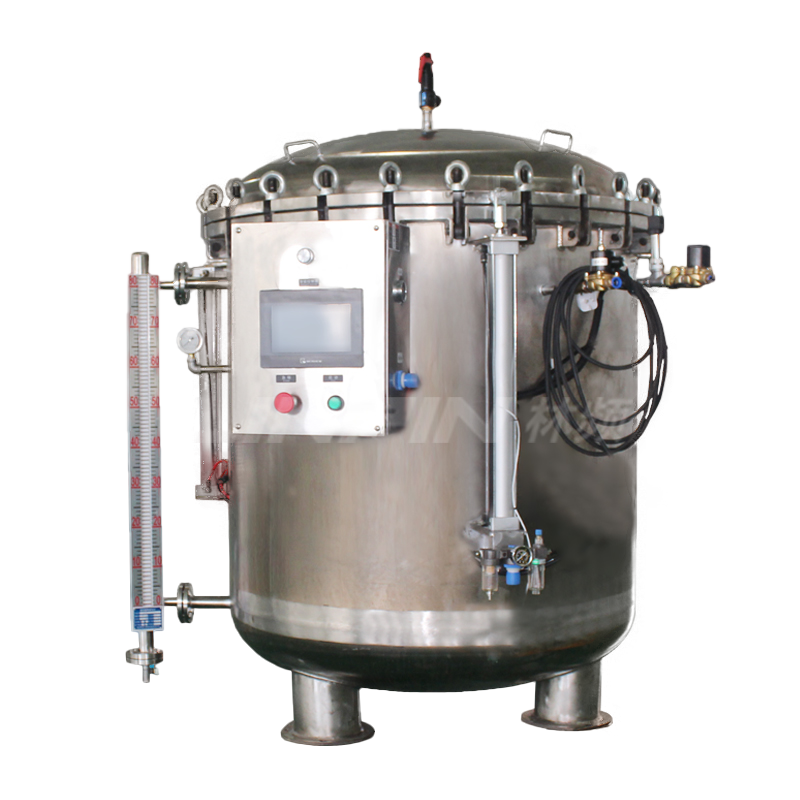
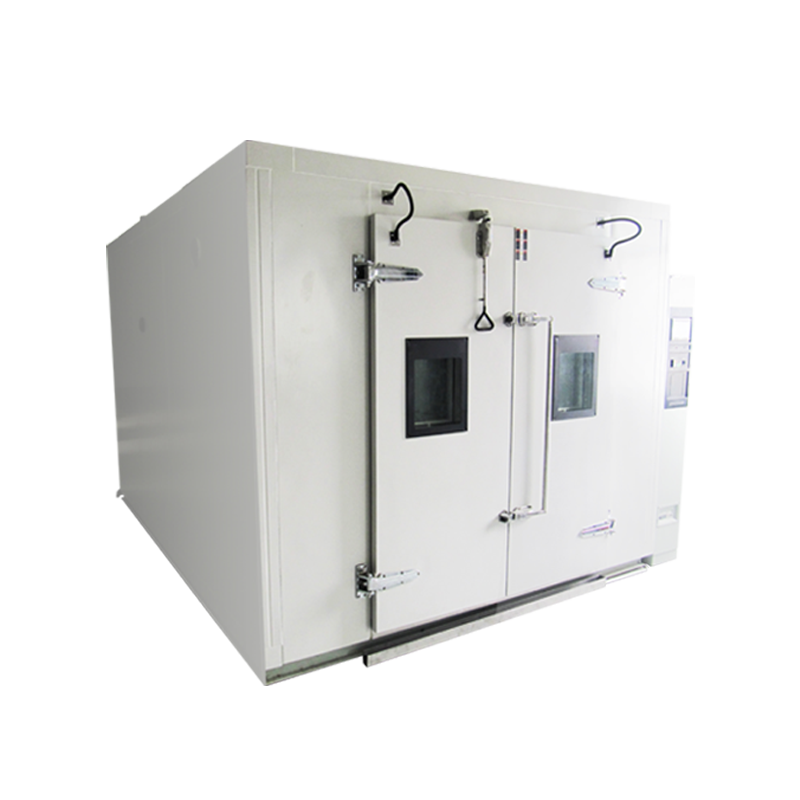
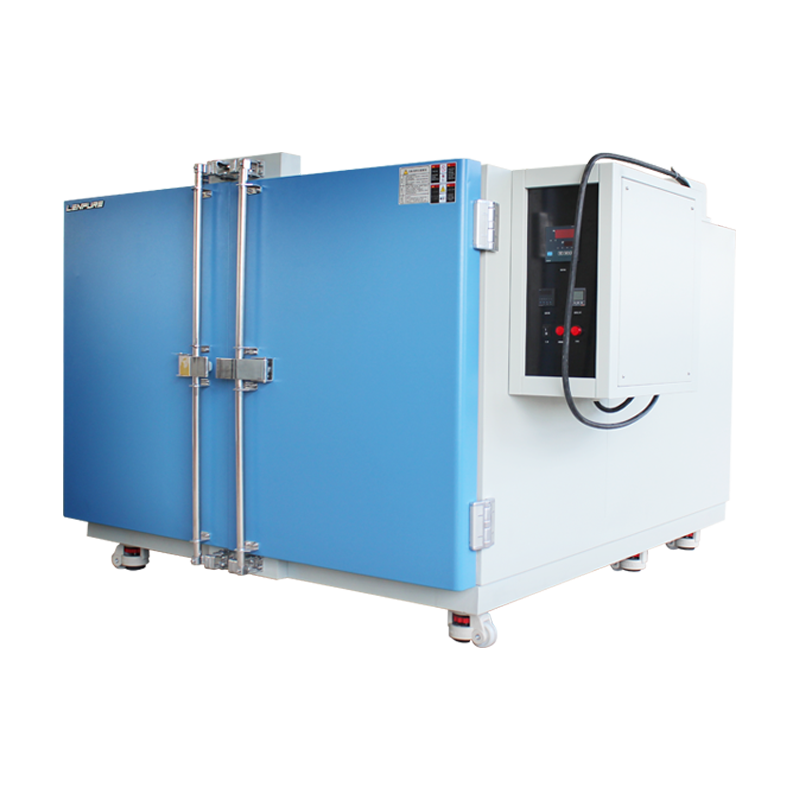
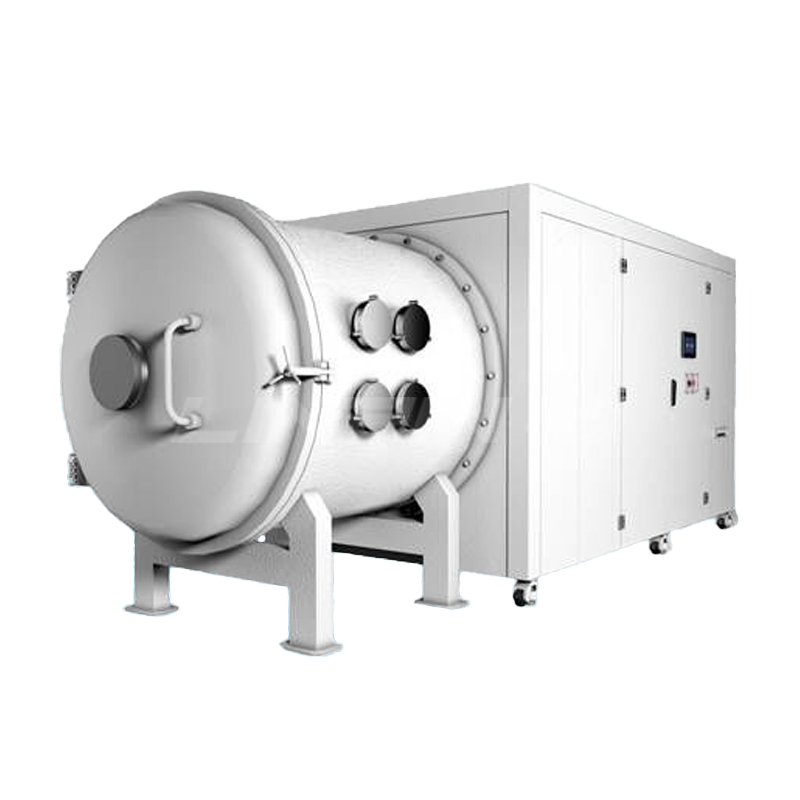
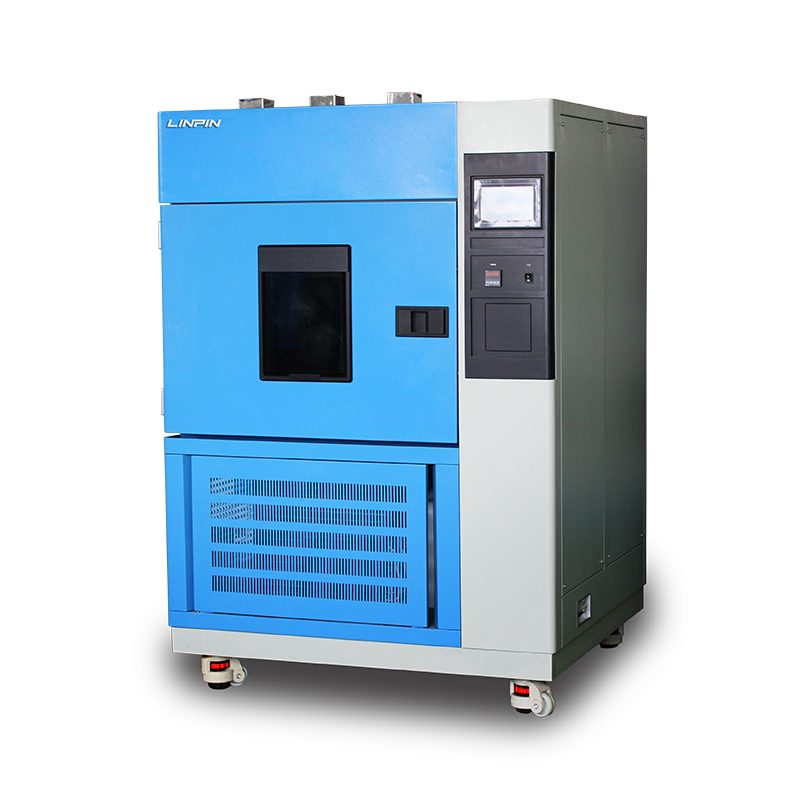
The salt spray test chamber currently has four types of testing methods. What are these four categories? In fact, the device can perform acetic acid salt spray tests, alternating salt spray tests, neutral salt spray tests, and copper-accelerated acetic acid salt spray tests. Today, I will briefly introduce these four types of tests.
Neutral Salt Spray Test Process**: Since the test items cannot directly contact the body of the salt spray test chamber, they need to be placed or suspended on a rack. If the items are in sheet form, they should be positioned at an angle of 15° to 30° to the plane. There are two forms of spraying: continuous and intermittent. Continuous spraying means spraying continuously as per the specified time for observation. Intermittent spraying involves spraying for eight hours and then stopping for sixteen hours, with a 24-hour period typically used as one observation cycle.
After understanding the neutral salt spray test, let’s introduce another type of salt spray test that has developed based on it—the acetic acid salt spray test. The corrosion rate of the acetic acid salt spray test is about three times faster than that of the neutral salt spray test. This test involves adding glacial acetic acid to a 5% concentration salt solution (sodium chloride), lowering the solution’s pH to around 3, making it acidic, and thus transforming the neutral salt spray into an acidic one.
The copper-accelerated acetic acid salt spray test is a rapid salt spray corrosion test developed abroad. The test temperature is at 50°C, and the corrosion rate is approximately eight times that of the neutral salt spray test. This is because a small amount of copper salt (copper chloride) is added to the salt solution, which can quickly induce corrosion.
Another type of comprehensive salt spray test is the alternating salt spray test, which combines constant humidity and heat testing with neutral salt spray testing. This test involves penetration in a humid environment, and the salt spray corrosion affects not only the surface of the test items but also their interiors.
The above introduces the four types of salt spray test chamber testing methods. Through the above introduction, everyone should have a basic understanding. For more information on the salt spray test chamber, you can visit the Linpin Instruments website.

25.05








Copyright © 2025 Shanghai Linpin Instrument Co., Ltd Copyright
| ICP Number:Shanghai ICP Record No. 12029585-7
| Sitemap







 EN
EN
 中文
中文 Pусский
 Tiếng Việt
 ภาษาไทย
 پاکستانی زبان