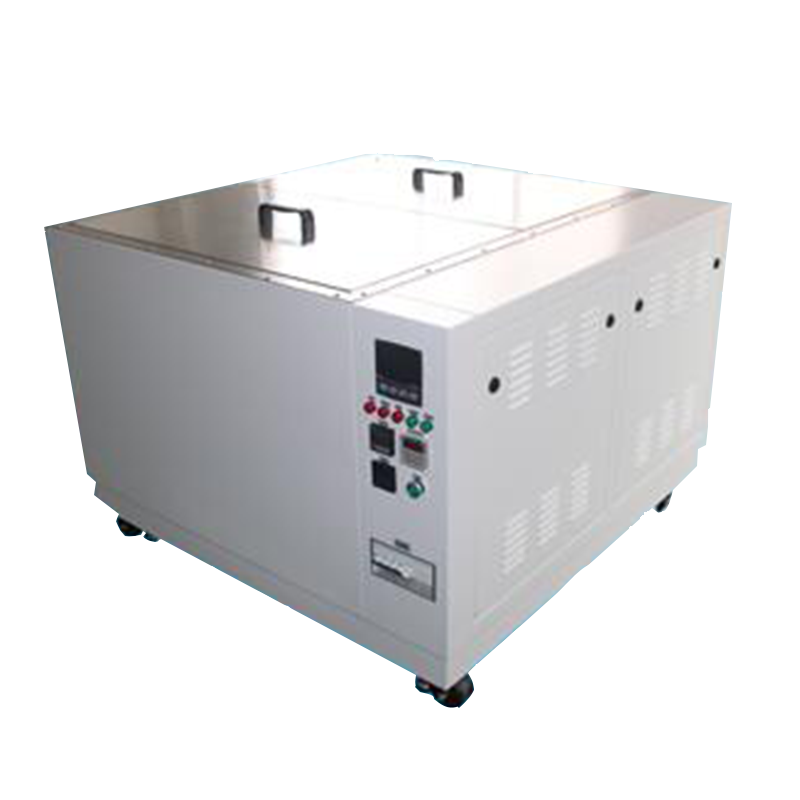
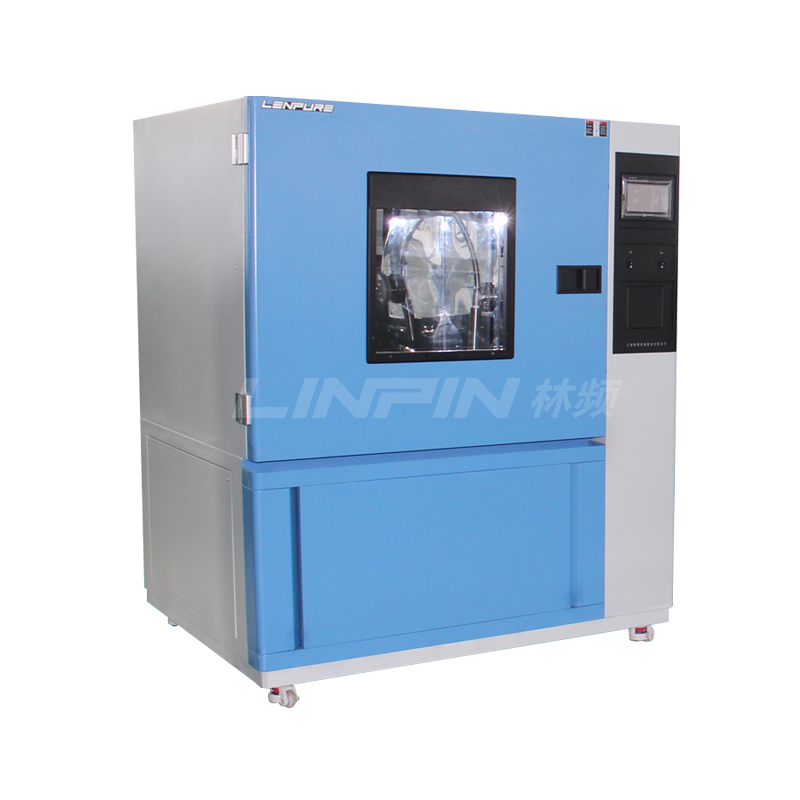
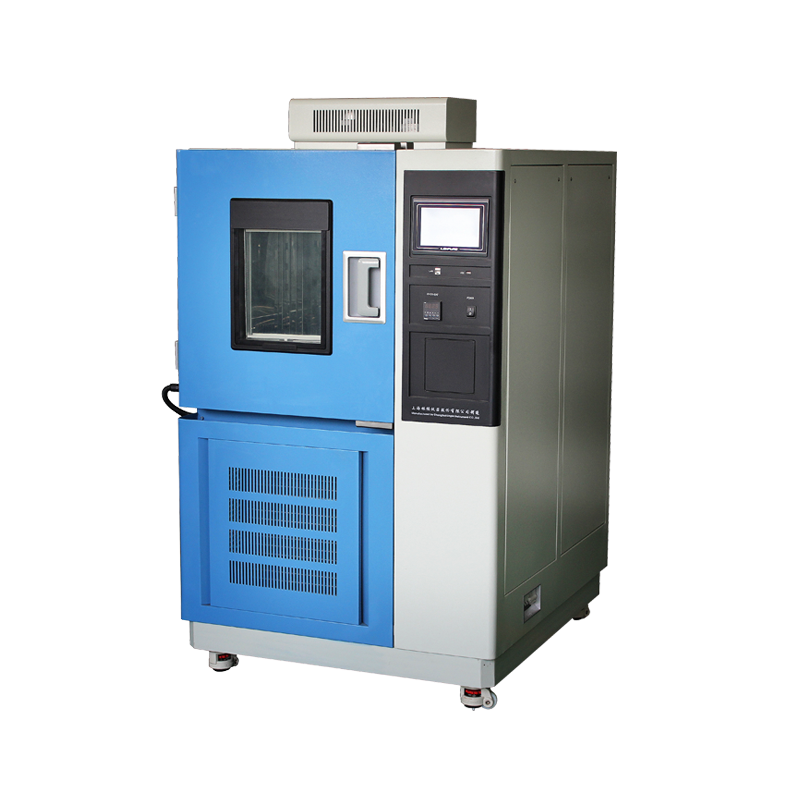
This equipment provides an accelerated testing method to evaluate the corrosive effects of sulfur dioxide-polluted atmospheres on contact points and connectors, particularly suitable for comparative testing.
Testing Objectives:
Determine the impact of sulfur dioxide-containing gas on the contact performance of precious metals or precious metal-plated contact points and connectors (excluding components made of silver or certain silver alloys).
Verify the robustness and effectiveness of solderless connectors.
In all tests, changes in contact resistance caused by exposure to sulfur dioxide test gas serve as the primary performance criterion.

Equipment Structure
The test system consists of:
A climate control system
Test chamber
Gas delivery system
Gas concentration measurement device
Chamber Material:
Constructed with PP board that neither absorbs nor reacts with sulfur dioxide, ensuring no interference with the gas’s corrosive effects.
Mixed air and sulfur dioxide gas enter/exit through sufficiently large-diameter pipes, ensuring 3-5 complete air changes per hour.
Exhaust gas is not released directly into the laboratory.

Waste Gas Treatment
Equipped with a corrosion-resistant centrifugal exhaust fan for high-efficiency ventilation.
Post-test, the exhaust valve opens, and the fan extracts gas into a two-stage filtration system:
Stage 1: Neutralization via NaOH (sodium hydroxide) solid filtration for acid-base reaction.
Stage 2: Adsorption through activated carbon filtration.
After dual-stage treatment, emissions are harmless to the environment.
Control System
Real-time sulfur dioxide monitoring via corrosion-resistant silicone tubing connected to a gas probe.
Concentration data is converted into electrical signals and transmitted to the PLC module for automatic adjustment:
If levels drop below the set value, the system auto-replenishes trace sulfur dioxide.

Gas is automatically stirred upon entering the workspace.
Safety Protections
Multi-layer safeguards including:
Leakage/short-circuit protection
Over-temperature protection
Low-water alarm
Programmable timers
About Linpin Instruments

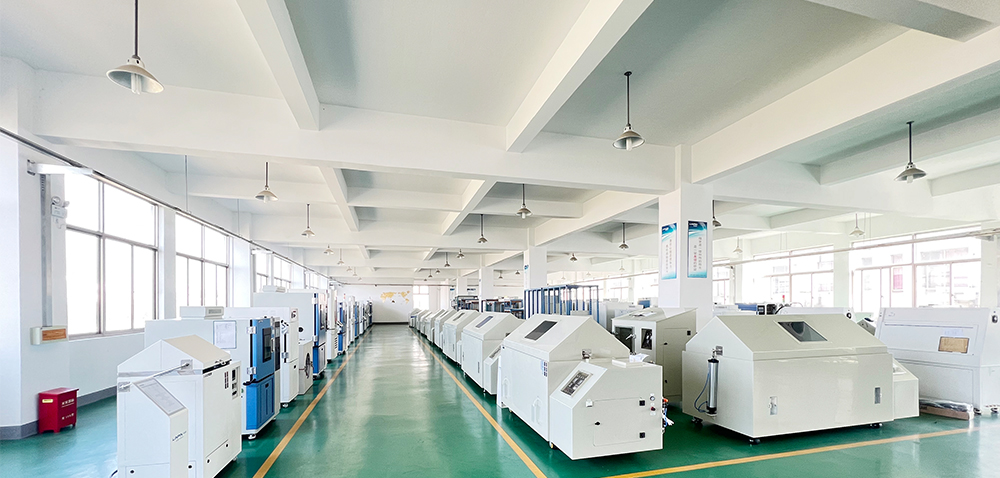
Linpin is a professional test equipment manufacturer and comprehensive reliability testing solution provider, offering:
✅ Standard & customized solutions tailored to clients’ environmental reliability testing needs.
✅ Extensive experience with successful cases across industries.
✅ Continuous R&D upgrades to strengthen technical barriers and build manufacturing/marketing advantages.
By leveraging our R&D capabilities, production facilities, supply chain management, and global sales network, we aim to solidify our leadership in environmental test equipment and help clients enhance product quality for long-term success.
Visit us to explore collaborations!

26.09








Copyright © 2025 Shanghai Linpin Instrument Co., Ltd Copyright
| ICP Number:Shanghai ICP Record No. 12029585-7
| Sitemap






 EN
EN
 中文
中文 Pусский
 Tiếng Việt
 ภาษาไทย
 پاکستانی زبان