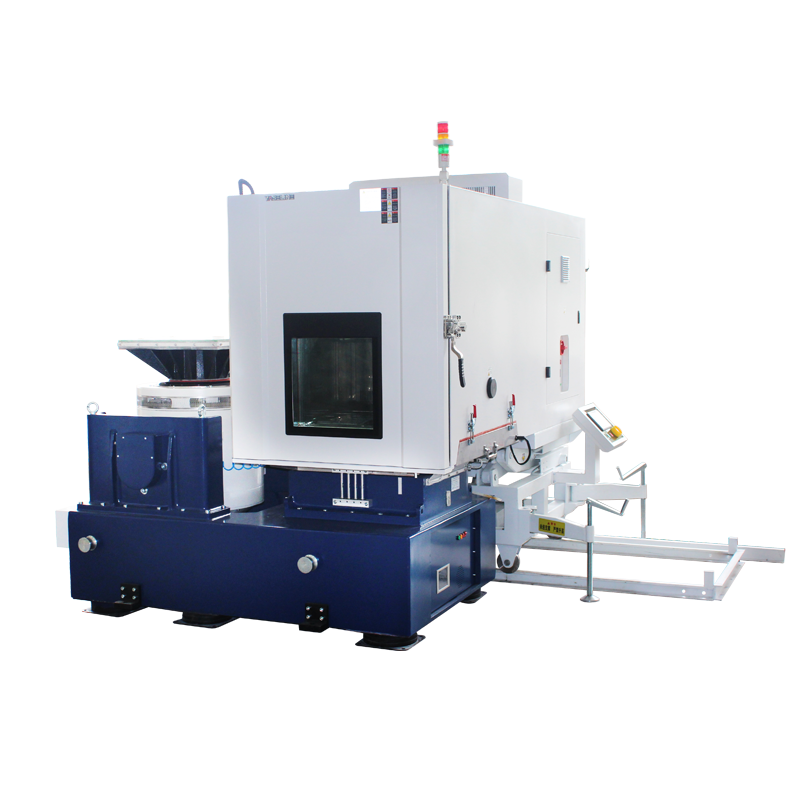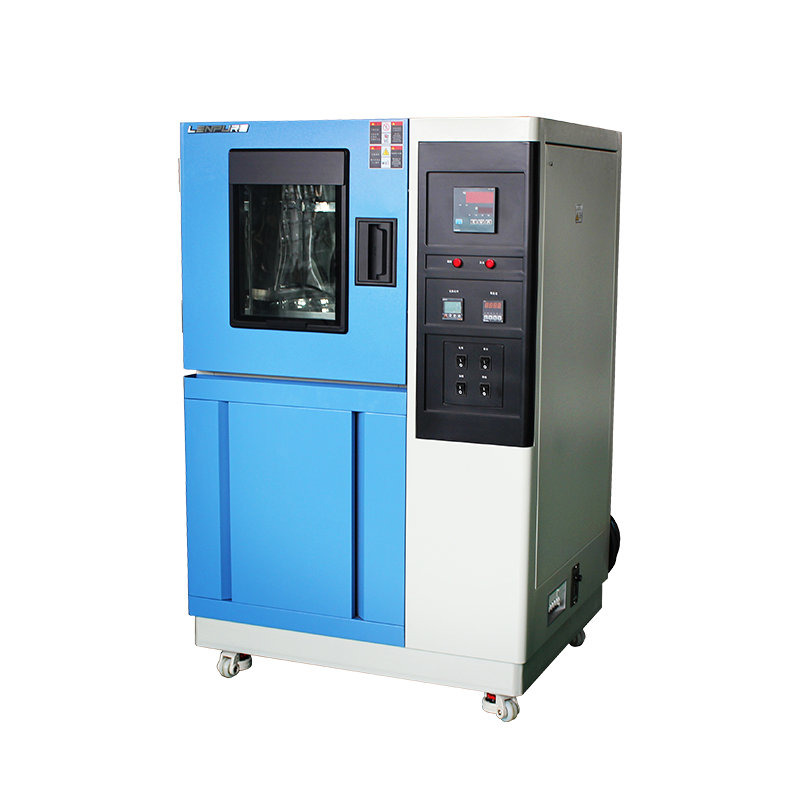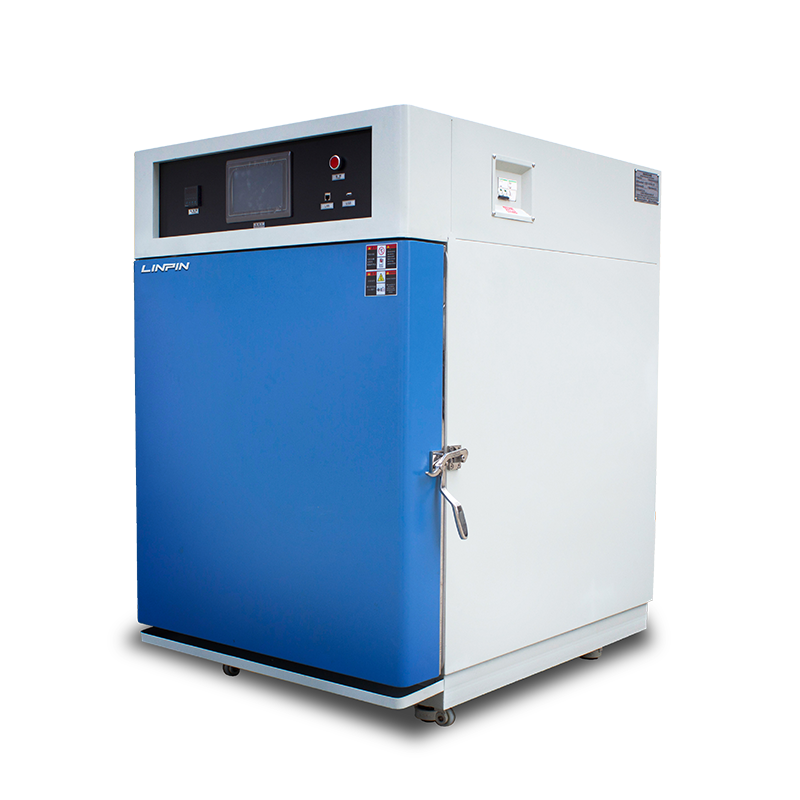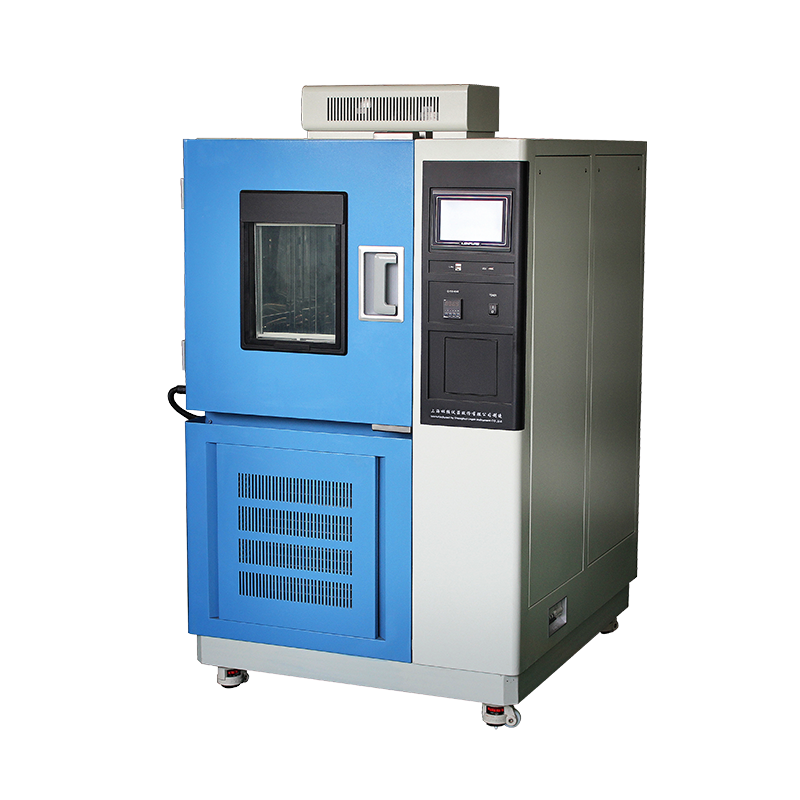




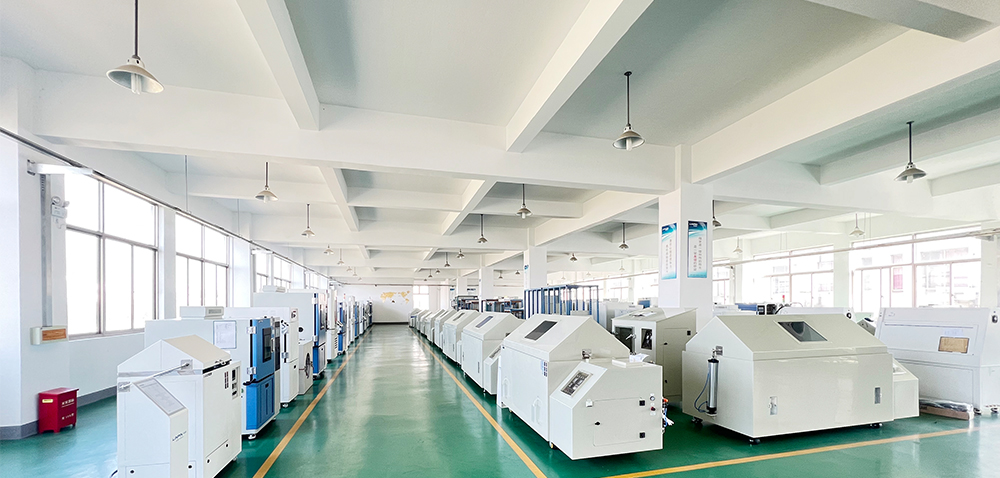


After purchasing a temperature and humidity test chamber, as your business grows and market demands evolve, you may need to test more materials or larger samples. Some customers choose to buy additional equipment to meet these increased demands, while others attempt to cut costs by overloading their existing chamber. However, we strongly advise against overloading the equipment, as it can lead to the following issues:
Consequences of Overloading
Compromised Test Accuracy
The chamber’s size, temperature range, and humidity range are carefully designed by engineers. Overloading (e.g., overcrowding samples or oversized samples touching the chamber walls) can distort test results.
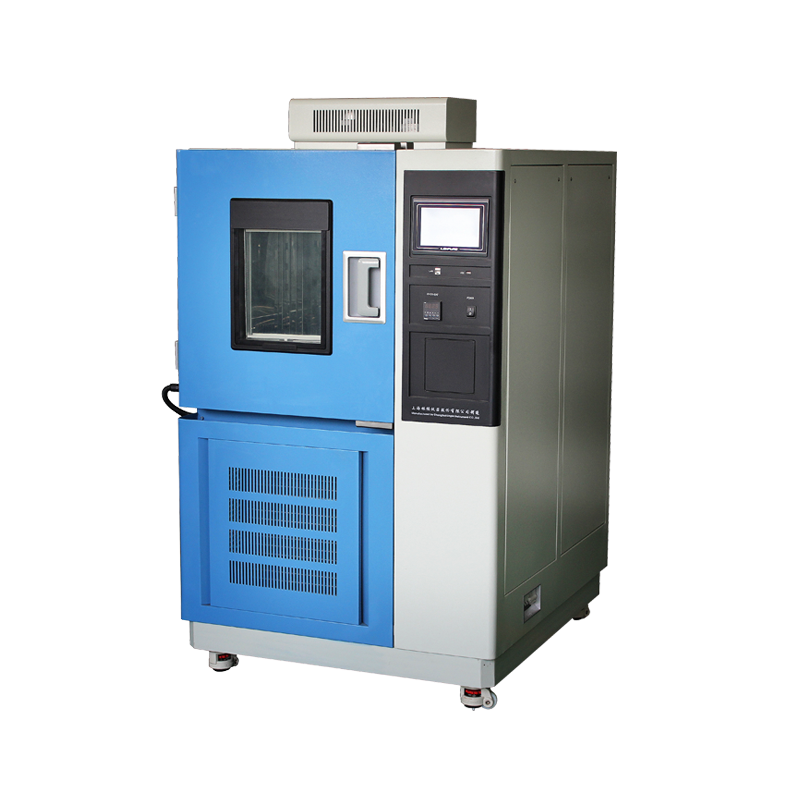
Accelerated Wear and Damage
Long-term overloading causes excessive heat buildup in components, speeding up aging or even leading to short circuits.
Critical parts may exceed their load limits, resulting in failure.
Increased Maintenance Costs
Frequent breakdowns due to overloading will raise repair and replacement expenses—counterproductive for businesses trying to save costs.
Our Recommendation
For unintentional overloading, adjust immediately to prevent further damage.
For intentional overloading due to higher demand, upgrade to a larger-capacity chamber instead.
As a professional environmental testing equipment manufacturer, we offer a wide range of large-scale test chambers tailored to your needs. Our engineers can optimize the design based on your sample volume and dimensions.
For detailed specifications and customized solutions, call 400-066-2888 or consult our technical team with your requirements.
Don’t risk your equipment—choose the right capacity for reliable and accurate testing!




Copyright © 2025 Shanghai Linpin Instrument Co., Ltd Copyright
| ICP Number:Shanghai ICP Record No. 12029585-7
| Sitemap






 EN
EN
 中文
中文 Pусский
 Tiếng Việt
 ภาษาไทย
 پاکستانی زبان