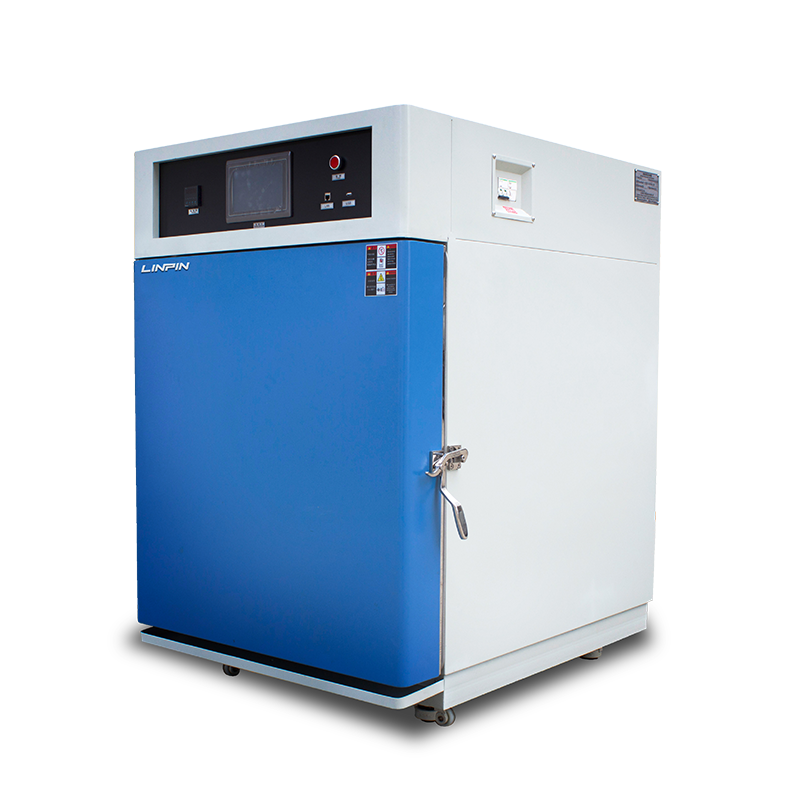
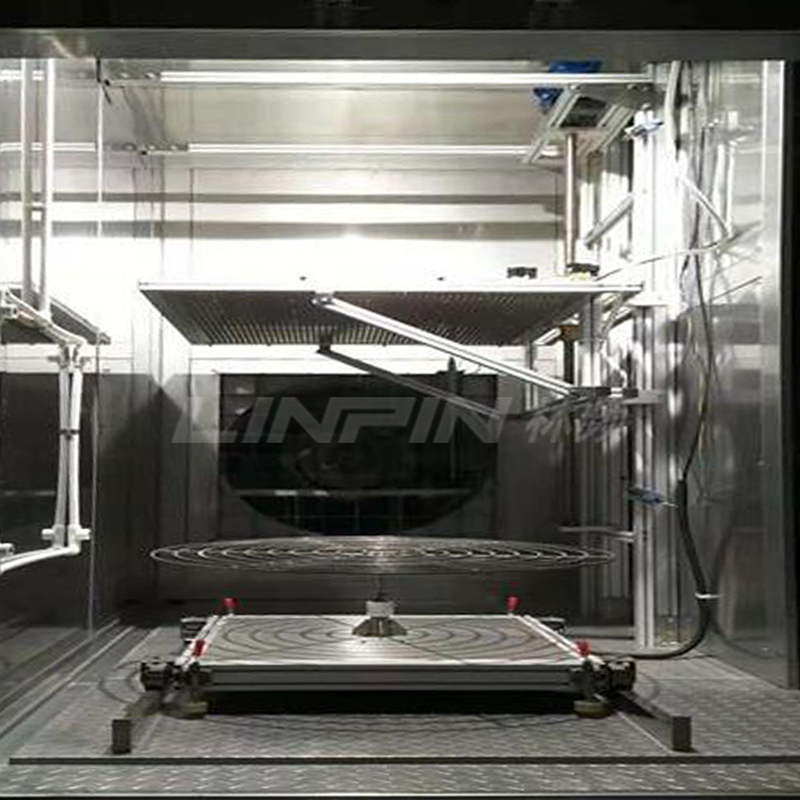
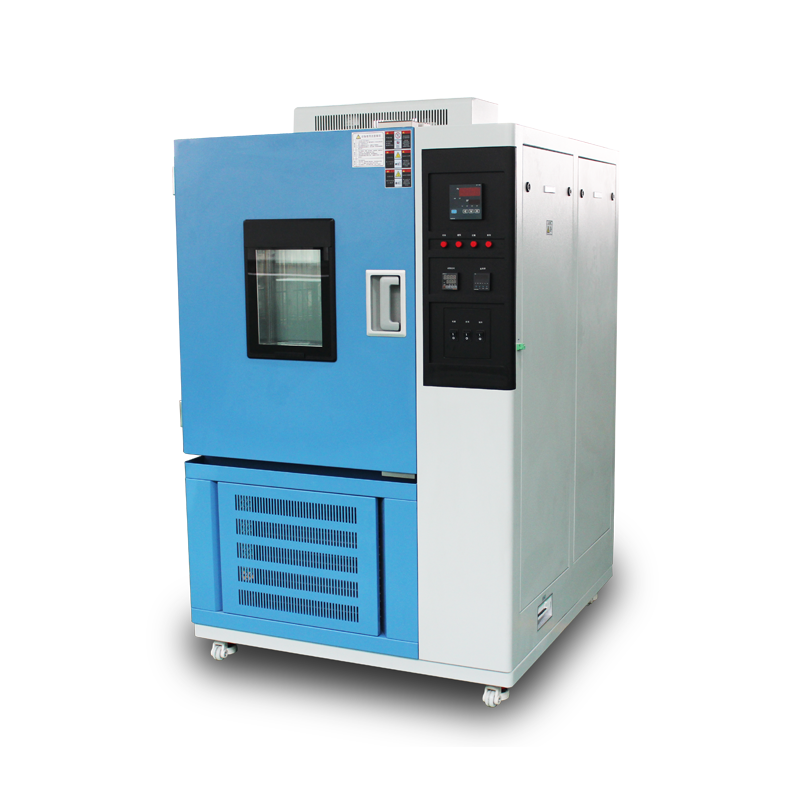
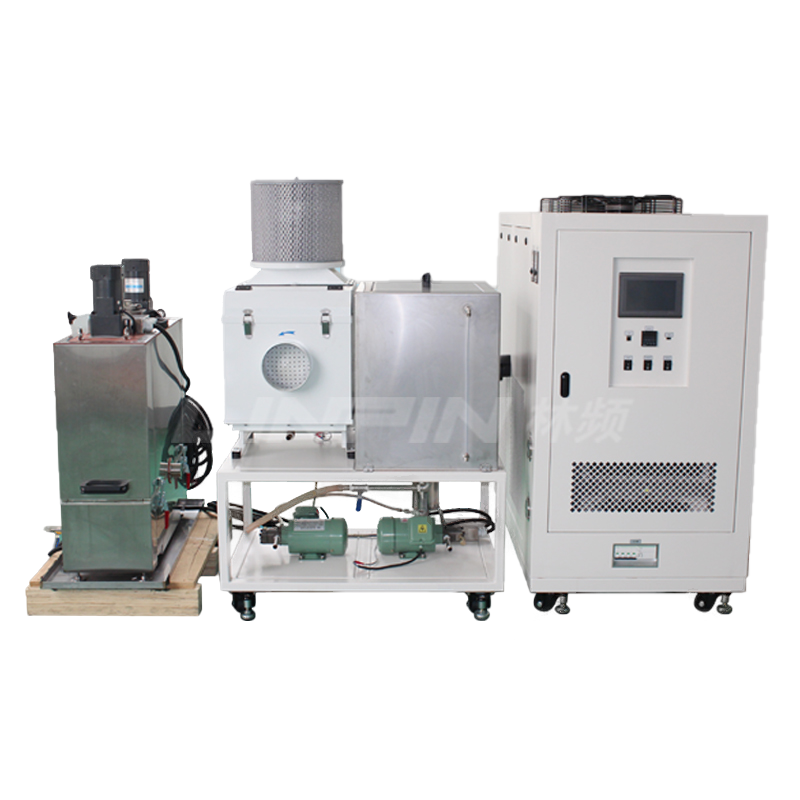
A UV aging test chamber is used to evaluate the weather resistance of various materials under ultraviolet (UV) light conditions. It is widely applied across numerous industries. When purchasing such a test chamber, customers should pay attention to certain details to avoid common pitfalls.
Key Considerations When Purchasing a UV Aging Test Chamber:
1. Price vs. Long-term Costs
While the initial price of the test chamber may seem straightforward, it is important to consider not only the purchase cost but also the long-term operational and maintenance expenses. A lower initial price does not necessarily mean lower overall costs over time. Customers should conduct a comprehensive assessment of these costs.

2. Quality of the Test Chamber
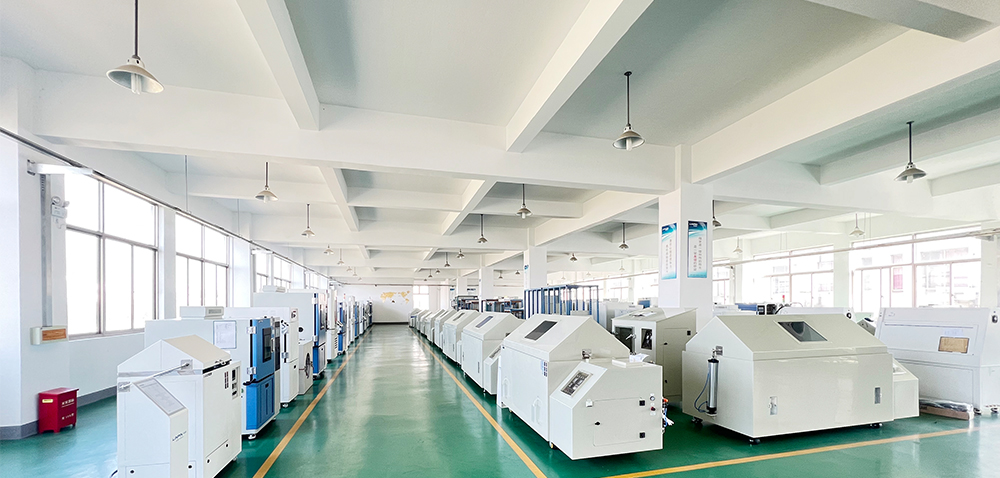
Quality is paramount. Customers are advised to visit the manufacturer’s facilities to inspect the production process and the quality of the test chambers being produced. This hands-on approach can provide valuable insights into the reliability and durability of the equipment.
3. Accuracy, Efficiency, and Energy Consumption
A high-efficiency UV aging test chamber not only meets the testing requirements but also ensures high precision and low operating costs. Modern test chambers, such as those from Linpin Instruments, are favored for their high accuracy, efficiency, and quality.
Recommendations for Customers:
After comparing multiple aspects, customers should select a UV aging test chamber that best suits their needs. It is crucial to avoid blindly pursuing low-priced equipment and instead focus on choosing a device with good quality and a reasonable price. UV aging test chambers are widely used in industries such as solar energy, automotive, components, power, new materials, coatings, rubber and plastics, chemicals, optics, electroplating, cables, and printing.
By following the above advice, customers can make more informed decisions and select the appropriate UV aging test chamber for their specific applications.









Copyright © 2025 Shanghai Linpin Instrument Co., Ltd Copyright
| ICP Number:Shanghai ICP Record No. 12029585-7
| Sitemap






 EN
EN
 中文
中文 Pусский
 Tiếng Việt
 ภาษาไทย
 پاکستانی زبان